Top 10 Control Valve Tips for Global Buyers to Consider
The Control Valve market is experiencing dynamic growth. According to a report by Research and Markets, the global control valve market is expected to reach $10 billion by 2026. As industries strive for efficiency, understanding control valves becomes crucial for buyers worldwide.
Choosing the right control valve can significantly impact operational performance. Factors such as valve type, material, and actuator design affect performance and durability. Yet, many buyers overlook these critical aspects. Inaccurate selections can result in inefficiencies, leading to increased costs and downtime.
From energy production to water treatment, control valves play a vital role in various sectors. The wrong choice can disrupt processes and compromise safety. It is essential to evaluate suppliers based on proven expertise and industry reputation. With careful consideration, buyers can make informed decisions that enhance productivity and sustainability.
Understanding Control Valve Types and Their Applications
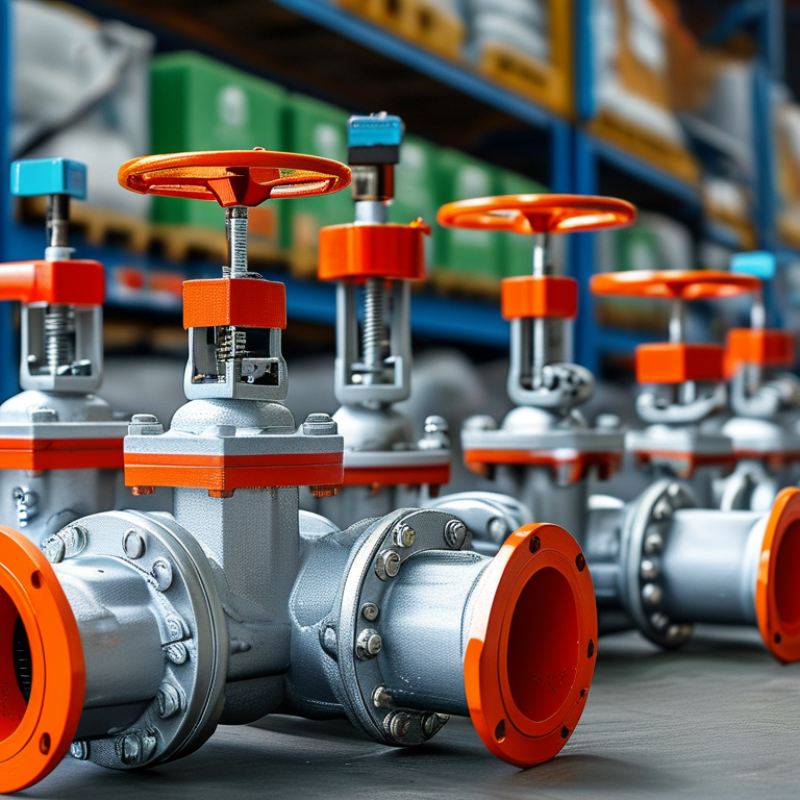
When selecting control valves, it’s crucial to understand the different types available. Ball valves, for instance, offer quick shut-off capabilities. Their design allows for low pressure drop in high-flow applications. Globe valves, on the other hand, excel in throttling applications. However, they can create higher pressure drops compared to ball valves, which needs consideration in system design.
Each valve type serves specific functions. Butterfly valves are often used in large pipelines due to their compact size. But they may not handle high pressure as effectively as others. It’s also important to consider materials used in valve construction. Corrosion-resistant materials are necessary in harsh environments. Lastly, we must acknowledge that selecting the right valve is not merely about specifications. Understanding the application and system dynamics is equally vital. Missteps here can lead to inefficient operations and costly repairs later on.
Evaluating Key Performance Metrics for Control Valves
When evaluating control valves, key performance metrics are essential for global buyers. Understanding flow characteristics is crucial. This can affect the efficiency of your entire system. Buyers should pay attention to the flow coefficient (Cv). A higher Cv indicates better flow capacity. It’s important to match the Cv rating with your application's requirements.
Another important metric is the pressure drop. Ensure that the valve's design minimizes pressure loss. High drop can lead to energy inefficiency. Consider the operational environment as well. Temperature and media type impact valve performance. Selecting materials that withstand these factors is critical.
Tip: Conduct regular performance reviews of the valves. This can help identify any drops in efficiency over time. Look out for signs of wear or corrosion. An imperfect valve may still provide utility, but be aware of potential issues early. Assess maintenance records regularly. Keeping track of repairs can inform future purchases.
Top 10 Control Valve Tips for Global Buyers to Consider
This bar chart illustrates the evaluation of different performance metrics for control valves. Each metric is scored on a scale from 0 to 100, indicating its importance for global buyers in making informed purchasing decisions.
Importance of Material Selection in Control Valve Durability
Material selection plays a crucial role in the durability of control valves. The right material can enhance a valve's lifespan, especially in harsh environments. According to industry reports, up to 40% of valve failures occur due to material incompatibility. This statistic emphasizes the need for careful material consideration in various applications.
Corrosion resistance is a key factor for many control valves. In aggressive media conditions, stainless steel and specialized alloys often outperform standard materials. Data suggests that using superior materials can extend valve life by 30% or more. However, the initial costs for these advanced materials can deter buyers, prompting a reflection on long-term value versus upfront expenses.
Temperature fluctuations and pressure variations also affect material performance. Selecting materials that can withstand extreme conditions is vital. A comprehensive study indicates that about 25% of control valves fail during thermal cycling. Buyers often overlook this detail. Investing in materials designed for such scenarios can prevent frequent failures and costly downtimes.
Assessing Regulatory Compliance and Standards for Global Procurement
When considering global procurement for control valves, assessing regulatory compliance is vital. Each region has its own standards and requirements. Buyers must research these intricacies thoroughly to avoid costly mistakes. Knowing local regulations ensures your products reach markets smoothly and adhere to safety guidelines.
One tip involves staying updated on relevant certifications. These can vary significantly between countries. Regularly check for changes or new standards to avoid non-compliance. Understanding the nuances of these regulations demonstrates due diligence and builds trust with suppliers.
Buyers should also consider the potential for product recalls. Ensuring adherence to safety and quality standards greatly reduces this risk. It's essential to create a compliance checklist, considering not just the regulations but also the ethical implications of sourcing. A thoughtful approach to procurement can help identify hidden risks and foster better supplier relationships.
Strategies for Effective Supplier Communication and Negotiation
Effective supplier communication is vital for successful negotiations in the control valve market. Begin by establishing clear objectives. Do you know what you want from your supplier? Communication should not simply flow one way. Encourage feedback and foster an open dialogue. This can lead to better understanding and partnership.
As you engage with suppliers, be mindful of cultural differences. A direct approach may work in some regions but not in others. Tailor your communication style accordingly. Consider language barriers as well. Clear, simple language often yields the best results. Misunderstandings can lead to costly errors in ordering or delivery.
Negotiation is an art, and preparation is key. Research your supplier's background and their market position. Know their strengths and weaknesses. This not only helps in negotiating better terms but also demonstrates that you are informed and serious. Don’t shy away from asking tough questions. Suppliers appreciate buyers who are proactive and engaged, although it may feel uncomfortable.