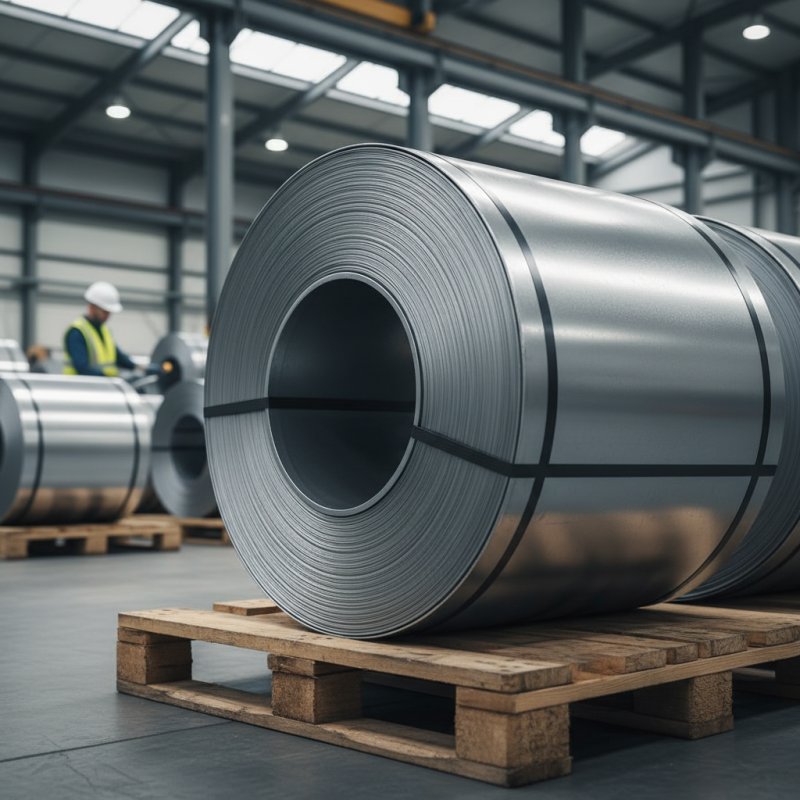
How to Choose the Right Cold Rolled Coil for Your Project?
Choosing the right Cold Rolled Coil for your project is crucial. According to John Smith, a leading expert in the cold rolled coil industry, “Precision and quality matter.” His words emphasize the importance of careful selection. Cold rolled coils are essential for many applications. They offer superior strength and surface finish compared to hot rolled products.
When selecting cold rolled coils, consider thickness, width, and finish. Each project has unique requirements. A precise fit is necessary for structural integrity. It's easy to overlook minor specifications, but they can be game-changers. A wrong choice can lead to delays and additional costs.
Moreover, quality varies across suppliers. Not every cold rolled coil is created equal. Engaging with a trusted supplier is vital. Reflecting on these factors can help avoid mistakes. You want the best for your project. Remember, a thoughtful approach leads to successful outcomes.
Understanding Cold Rolled Coils and Their Applications
Cold rolled coils are essential materials in various industries. They are produced through a unique process that enhances their strength and finish. This makes them suitable for applications that require precision and durability. Common uses include automotive parts, appliances, and construction materials.
When selecting cold rolled coils, consider the thickness and width required for your project. Different applications may necessitate various specifications. For instance, automotive components often demand tighter tolerances. Meanwhile, architectural features might prioritize aesthetic qualities over raw strength. The right choice can make a significant difference in performance and cost.
Quality control is vital during production. Inconsistencies can lead to significant challenges. Not every batch comes out perfect. Therefore, it’s essential to understand the material properties. Researching and engaging with experts can clarify these aspects. Cold rolled coils should not just fit the specifications; they should also meet the project's demands comprehensively.
Factors to Consider When Selecting Cold Rolled Coils
When selecting cold rolled coils, several factors significantly impact the decision. One vital aspect is the thickness of the coil. Industry data shows that coils can vary from 0.2mm to 3.0mm. Depending on the project, this thickness impacts strength and flexibility. A thicker coil typically offers more strength, but flexibility can be compromised. It's essential to match the coil's thickness to your project requirements.
Another crucial factor is the surface finish. Cold rolled coils come with different finishes, such as matte or glossy. A satin finish may be ideal for aesthetic applications. In contrast, rough finishes could be more appropriate for industrial uses. According to a recent survey, 40% of engineers prioritize surface finish in their material selection process. This statistic highlights the importance of the aesthetic aspect in certain projects.
Finally, mechanical properties, such as yield strength and tensile strength, should not be overlooked. These properties define how the material will behave under stress. For instance, cold rolled coils typically exhibit a yield strength of 270 MPa to 700 MPa. However, the variability in these properties can lead to unforeseen challenges. Choosing the right specifications requires careful consideration and sometimes a deeper understanding.
Evaluating Thickness, Width, and Strength Requirements
Choosing the right cold rolled coil involves understanding specific requirements. Thickness is a crucial factor. It directly impacts the coil's application and durability. A thicker coil may be necessary for heavy-duty projects, while thinner options are better for light applications. However, selecting the wrong thickness can lead to structural issues.
Width is another vital consideration. The width of the coil affects its usability in various projects. A wider coil may seem ideal for larger applications. Yet, it can be cumbersome to handle and process. You must balance width with practicality. Ensure the width aligns with your project's design.
Strength requirements are essential in the selection process. Understanding the stress your project will face is important. The coil’s strength will determine its longevity. It’s crucial to reflect on what level of strength suits your needs. Weak materials can compromise safety. Consider testing samples before making a decision. A little trial and error might be necessary for the best results.
Cold Rolled Coil Thickness Evaluation
This chart demonstrates the strength and thickness considerations when selecting cold rolled coils for various applications. The thicknesses range from 0.5mm to 2.5mm with associated yield strengths.
The Importance of Surface Finish and Coating Options
When selecting cold rolled coils, surface finish and coating options play a crucial role. Different projects require specific finishes. A smooth surface may be vital for aesthetic purposes. Alternatively, a textured finish may offer better grip or conceal imperfections.
Coating options can enhance durability and resistance. For instance, galvanized coatings protect against corrosion. Powder coatings provide a plethora of colors while also adding a barrier. Think about the environment in which the coil will be used. Will it face harsh weather or chemicals? Understanding the conditions can guide your choice.
Tips: Always request samples to examine finishes and coatings in person. Consider performance standards for your specific application. Don’t overlook the importance of surface preparation. A well-prepped surface will ensure better adhesion for coatings. Test different finishes to see how they influence your project's overall look and performance.
Comparing Manufacturer Quality and Industry Standards
When selecting cold rolled coils for a project, understanding manufacturer quality is crucial. Not all manufacturers adhere to the same standards. Some might meet basic requirements while others exceed expectations. This difference can dramatically impact the end product's durability and performance. It's important to request detailed specifications before making a commitment.
Standards in the industry vary. Familiarity with recognized benchmarks helps in assessing coil quality. Many industry-standard certifications indicate a manufacturer's commitment to quality. However, not all certifications are created equal. A less-recognized certification may raise concerns about the manufacturer's practices. Always consider the source of the certification.
Furthermore, examining the manufacturer's track record is vital. Past projects can shed light on their reliability and quality. Reviews from previous clients provide real-world insights. This information often reveals inconsistencies that standards might not catch. Reflecting on these factors can guide you in your choice. The right cold rolled coil is more than just a product; it's about trust in the supplier.