How to Choose the Best Tensile Testing Machine for Your Needs?
Choosing the right Tensile Testing Machine is essential for material testing industries. The global tensile testing machine market is projected to grow significantly. According to a 2022 report by MarketsandMarkets, the market is expected to reach $500 million by 2027. This growth highlights the importance of selecting equipment that meets specific testing requirements.
Tensile testing machines evaluate material strength and ductility. They play a critical role in industries such as construction, automotive, and aerospace. Accurate data from these tests ensures safety and performance standards. However, not all machines are created equal. Each model offers different features and capabilities, making the selection process challenging.
Understanding your specific needs is vital. Factors like load capacity, speed, and software compatibility should influence your decision. In addition, considering manufacturer reputation can enhance reliability. It's essential to reflect on potential limitations of various machines before making a purchase. This ensures you choose a tensile testing machine that aligns precisely with your testing objectives.
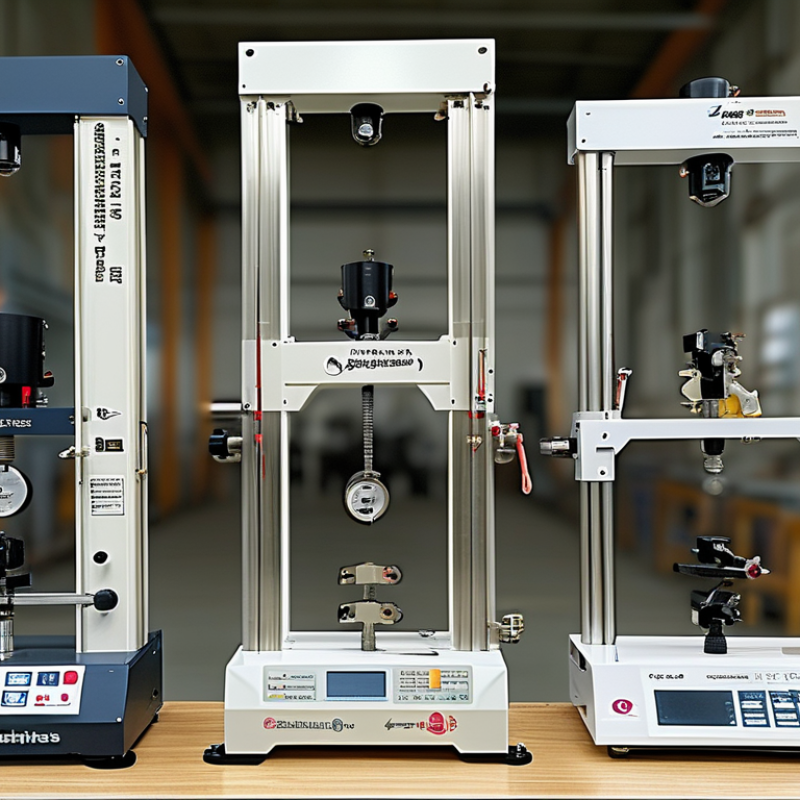
Understanding Tensile Testing Machines and Their Applications
Tensile testing machines play a crucial role in evaluating the mechanical properties of materials. These devices measure how materials respond to forces, helping industries ensure quality and safety. Common applications include evaluating metals, plastics, and textiles. Understanding the nuances of tensile testing machines is key to selecting the right one for your needs.
When choosing a tensile testing machine, consider your material type. Different machines cater to different materials. For example, metals may require machines with higher load capacities. In contrast, softer materials like rubber need machines that can handle lower forces. Ensure the machine you choose aligns with your specific testing requirements.
Tips: Always check the machine's compatibility with your materials. Look for machines that offer versatility for various tests. Additionally, consider the ease of use and software capabilities. A user-friendly interface can save time and reduce errors in data collection. Testing can yield unexpected results; be open to reviewing methods and adjusting parameters as needed for accuracy.
Key Features to Consider in a Tensile Testing Machine
When selecting a tensile testing machine, several key features are vital. The capacity of the machine should match your testing requirements. Consider the maximum load it can handle. A higher capacity allows for testing a wider range of materials. It's essential to evaluate the accuracy of the machine. Measurements must be precise to ensure reliable results. Look for machines that provide clear calibration procedures.
The speed of the testing process is also crucial. A machine that operates at adjustable speeds can accommodate various materials. This feature allows for detailed analysis. Additionally, consider the software used for data analysis. Good software will simplify the interpretation of test results. User-friendly interfaces can save time and reduce errors.
Durability is another factor to reflect on. How long will the machine last under regular usage? Research and choose a model made from robust materials. Pay attention to the machine’s maintenance requirements. Regular upkeep is often necessary to maintain accuracy. Ensure that the manufacturer offers support for any technical issues. Always consider these aspects thoughtfully, as they can impact your testing experience.
Types of Tensile Testing Machines Available in the Market
When selecting a tensile testing machine, understanding the types available is crucial. There are several categories, including universal testing machines, micro testers, and portable machines. Universal testing machines are versatile and can handle various materials. They’re ideal for labs requiring detailed analysis of tensile strength and elongation.
Micro testers are more specialized. These machines are suited for small samples, making them perfect for thin films or fibers. They provide precise measurements in tight spaces. Portable machines offer flexibility, allowing testing at different locations. Their ease of use can be beneficial for field applications or temporary setups.
Assessing your specific requirements before making a decision is essential. What are the materials you need to test? Are there size constraints? Think about the data accuracy you demand. Sometimes, facilities overlook the importance of user training and ongoing maintenance. These factors can significantly impact testing outcomes. Balancing cost with functionality is often a complex task. Take your time to evaluate your choices, ensuring you select the best machine for your unique needs.
Evaluating the Accuracy and Precision of Tensile Testers
When selecting a tensile testing machine, accuracy and precision are crucial factors. Accuracy refers to how close measurements are to the true value. Precision, on the other hand, indicates the repeatability of those measurements. A machine that consistently provides reliable data can make a significant difference in material testing.
To evaluate these aspects, consider the calibration process. Machines should undergo routine calibration by trained professionals. This ensures they meet industry standards. Look for documentation that details the calibration intervals and methods used. Minimal variations in measurements often indicate a reliable device.
However, discrepancies can occur. Variability in material properties or environmental factors may lead to unexpected results. Always analyze the context of your tests. Understanding potential sources of error can help you refine your testing process. Engage with materials testing experts to gain insights into effective practices for maintaining accuracy and precision in your tests.
How to Choose the Best Tensile Testing Machine for Your Needs? - Evaluating the Accuracy and Precision of Tensile Testers
| Feature | Description | Importance | Typical Range |
| Load Cell Capacity | The maximum load the machine can apply. | Crucial for testing specific materials. | 5 kN - 1000 kN |
| Crosshead Speed | Speed at which the crosshead moves during the test. | Affects the test duration and results. | 0.01 mm/min - 500 mm/min |
| Accuracy | Degree to which the machine measures the actual load applied. | Critical for reliable results. | ±0.5% - ±1% |
| Data Acquisition Rate | Frequency at which data is recorded during the test. | Higher rates capture more detail. | 1 Hz - 1000 Hz |
| Software Integration | Compatibility with analysis software for data processing. | Enhances analysis capabilities. | Varies by machine |
Budget Considerations and Cost-Effectiveness in Your Choice
When selecting a tensile testing machine, budget considerations play a crucial role. Firstly, establish a clear budget range based on your specific testing needs. A high-quality machine can be a significant investment, but it is essential to find one that offers value for money. Remember, the cheapest option may not always deliver the accuracy or reliability you require. Explore options that fit your budget while ensuring they meet industry standards.
Analyze the total cost of ownership. This includes maintenance, calibration, and potential repairs over time. Sometimes, a more expensive model might save money in the long run due to its durability and lower maintenance costs. It's also important to consider the machine's capability to handle different materials and testing methods. Investing in versatility can prevent additional costs in the future.
Don’t overlook customer support and warranty services when evaluating costs. A machine might appear affordable, but poor after-sales service can lead to hidden expenses. Reach out for user reviews and feedback to gauge reliability and effectiveness. Balancing initial costs with long-term value is essential for making an informed choice.
Comparison of Tensile Testing Machines Cost-Effectiveness
This chart illustrates the cost comparison of different categories of tensile testing machines. Entry-level machines are more affordable, while high-end models offer advanced features at a higher price. Choosing the right machine involves considering budget constraints versus required testing capabilities.