2026 How to Choose the Best Stainless Steel Band for Your Needs?
When selecting the ideal Stainless Steel Band, understanding the nuances of this product is vital. Expert David Thompson, a renowned authority in the watch industry, emphasizes, "A good stainless steel band enhances both comfort and style." His insights shed light on why choosing the right band can significantly influence the overall wear experience.
Stainless steel bands are not just about appearance; durability plays a crucial role too. Many users overlook the differences in quality among various bands available in the market. For instance, some bands are designed for specific types of watches, while others offer versatility. Knowing what works for you is essential. A poor choice can lead to discomfort or lack of functionality.
It's also important to consider repair and maintenance. While stainless steel is robust, it can still suffer from wear and tear. Regular cleaning can enhance its lifespan, yet many forget this step. Reflecting on these factors helps in making an informed decision. An educated choice in stainless steel bands combines style, comfort, and longevity.
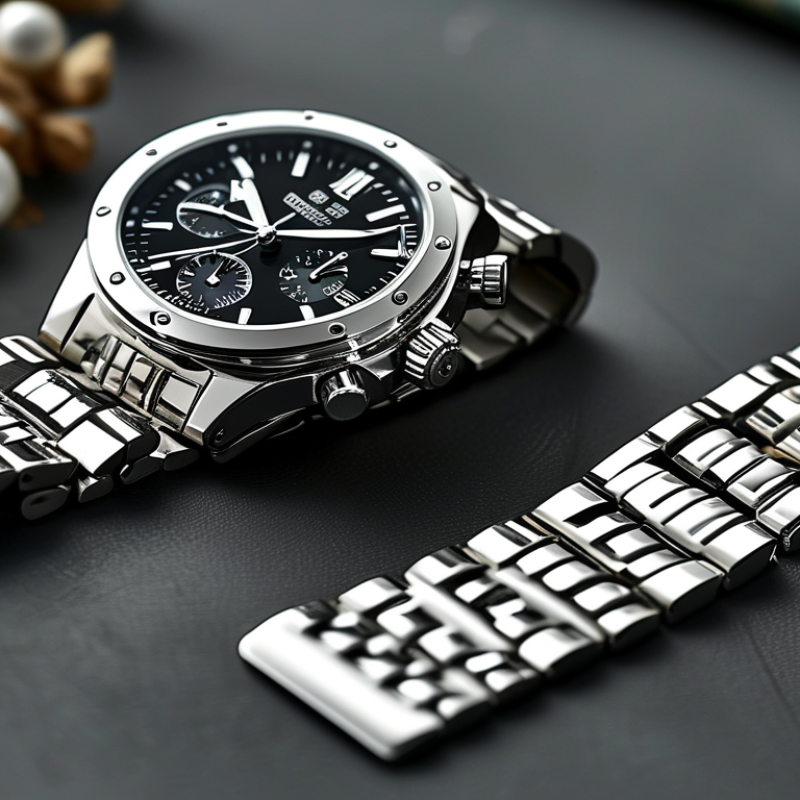
Understanding Different Types of Stainless Steel Used in Bands
When choosing a stainless steel band, it’s crucial to understand the various types of stainless steel available. Not all stainless steel is created equal. Different grades provide varying levels of durability, corrosion resistance, and aesthetic appeal. The most common types used in bands are 304 and 316 stainless steel.
Type 304 stainless steel offers decent corrosion resistance but lacks some toughness. It's often found in decorative applications. On the other hand, 316 stainless steel is widely regarded for its superior corrosion resistance, especially in marine environments. If your band will face the elements, 316 can be a more reliable choice.
It's easy to overlook the significance of steel quality. Many people focus solely on the design and cost. However, the choice of stainless steel affects longevity and wear. Not everyone needs top-grade steel, but investing in quality can save you money in the long run. Reflecting on your lifestyle and needs can help in making informed decisions.
2026 How to Choose the Best Stainless Steel Band for Your Needs?
This chart illustrates the corrosion resistance ratings of different types of stainless steel commonly used in bands. A higher rating indicates better resistance to corrosion, making it crucial for selecting the appropriate stainless steel band for various applications.
Key Features to Consider When Selecting a Stainless Steel Band
When selecting a stainless steel band, several key features must be considered. The type of stainless steel used is crucial. Grades like 304 and 316 offer excellent corrosion resistance. According to industry reports, grade 316 is often preferred for its superior durability, especially in marine environments. However, its cost is typically higher, which may not suit every budget.
Another important factor is the finish of the band. Some bands are polished for shine, while others have a brushed or matte finish. This choice impacts both aesthetics and scratch resilience. A detailed survey indicates that bands with a brushed finish tend to hide scratches better than polished variants. If you plan to wear the band daily, consider this carefully.
Wearing comfort is often overlooked but essential. Ensure the band fits well and allows for air circulation. A tight band can lead to skin irritation, while a loose one may be uncomfortable. Evaluate closure mechanisms as well. A reliable clasp adds security and ease of wear. Remember, even the most stylish band won’t serve you well if it isn’t comfortable.
Comparing Durability: Stainless Steel vs. Other Materials
When comparing durability, stainless steel often outperforms many alternatives, such as aluminum and plastic. A study conducted by the Materials Research Society found that stainless steel can last more than 50 years under proper conditions. In contrast, aluminum may corrode in harsh environments, reducing its lifespan to around 20 years.
Stainless steel is known for its resistance to rust and staining. It is more durable than many other materials. Data from the Metals Service Center Institute suggests that stainless steel retains 85% of its original strength even in extreme temperatures. In contrast, plastic can become brittle and lose structural integrity when exposed to UV light over time.
However, not all stainless steel bands are created equal. Variations in alloy composition can affect performance. Users may find that thinner bands, while aesthetically pleasing, may not withstand wear and tear as well as thicker options. It's essential to consider how often and in what conditions the band will be used.
Sizing and Comfort: Finding the Right Fit for Your Stainless Steel Band
Choosing the right stainless steel band requires careful consideration of sizing and comfort. A well-fitted band enhances both usability and aesthetics. According to a 2021 survey by the Jewelry Industry Council, approximately 70% of consumers report discomfort with ill-fitting bands. This emphasizes the need for accurate sizing.
When measuring your wrist, use a soft measuring tape. Wrap it around your wrist snugly without constriction. Note the measurement and consider adding a bit for comfort, especially if the band is wide. Swatch website data indicates that widths over 20mm often necessitate additional space for comfort. This is vital for daily wear.
It’s also important to try on different styles. Some bands are designed for a tighter fit, while others are more forgiving. Personal preferences play a significant role in your choice. Pay attention to how the band feels over time. If it pinches or chafes, it might not be the best fit. Remember that comfort and style can coexist, but it often takes some exploration to find the perfect balance.
2026 How to Choose the Best Stainless Steel Band for Your Needs? - Sizing and Comfort: Finding the Right Fit for Your Stainless Steel Band
| Feature | Description | Sizing Options | Comfort Level |
| Material Quality | High-grade stainless steel ensures durability and resistance to tarnishing. | Available in different sizes, including small, medium, and large. | Generally very comfortable with rounded edges and adjustable fittings. |
| Adjustment Mechanism | Most bands offer easy adjustment options for a custom fit. | Some bands feature removable links for size adjustment. | Adjustment mechanisms help achieve a snug yet comfortable fit. |
| Finish | Options may include polished, brushed, or matte finishes. | Each finish may have a different size perception and fit feel. | Finish may affect comfort level depending on skin sensitivity. |
| Weight | Stainless steel bands vary in weight depending on design. | Consider lighter options for prolonged wear without discomfort. | Heavier bands may be less comfortable for some users. |
Maintenance Tips for Longevity of Your Stainless Steel Band
Proper maintenance of your stainless steel band is crucial for its longevity. Regular cleaning is essential to prevent tarnishing. Use a soft cloth to wipe it down after wearing. This removes sweat and moisture, which can cause corrosion. If it’s heavily stained, a mild soap solution can help. Avoid abrasive cleaners, as they can scratch the surface.
Storing your stainless steel band correctly also aids in maintenance. Keep it in a dry place, away from humidity. A jewelry box with compartments can prevent scratches. Check for any loose parts or signs of wear regularly. Addressing minor issues early can save you from costly repairs later.
Finally, be mindful of what your band comes into contact with. Harsh chemicals, like those found in certain cleaners, can damage your stainless steel. If you engage in activities that may expose your band to such substances, consider removing it. Keeping your stainless steel band in top condition requires consistent effort, but the aesthetic and durability benefits are worth it.