7 Tips for Choosing the Best Liposuction Aspirator Machines?
Liposuction remains a widely performed surgical procedure, but popularity alone cannot guide equipment purchasing. The International Society of Aesthetic Plastic Surgery’s 2022 Global Survey estimated approximately 2.3 million liposuction procedures worldwide. That figure signals substantial clinical use, not proof that any particular device improves outcomes. Choosing suitable Liposuction Aspirator Machines requires attention to the procedure, clinical setting, and team using the equipment.
A machine may look impressive on a product sheet. In practice, clinicians need to assess suction control, operating noise, portability, canister capacity, cleaning requirements, and service support. A compact unit may fit a crowded treatment room, while a clear, stable collection canister can make fluid monitoring easier. Specifications should be checked against the manufacturer’s instructions and the clinic’s established protocols. Small practical details matter.
There is no universal “best” aspirator for every practice. Still, selection should be systematic. Buyers can compare documented performance, training and maintenance needs, warranty terms, and the availability of replacement parts. Questions about compatibility or intended use deserve direct answers from the manufacturer, not assumptions based on appearance. The following seven tips offer a practical framework for evaluating options. They are not a substitute for clinical judgment, professional training, or guidance from qualified healthcare professionals. A careful choice may take longer than expected. That is worth reflecting on.
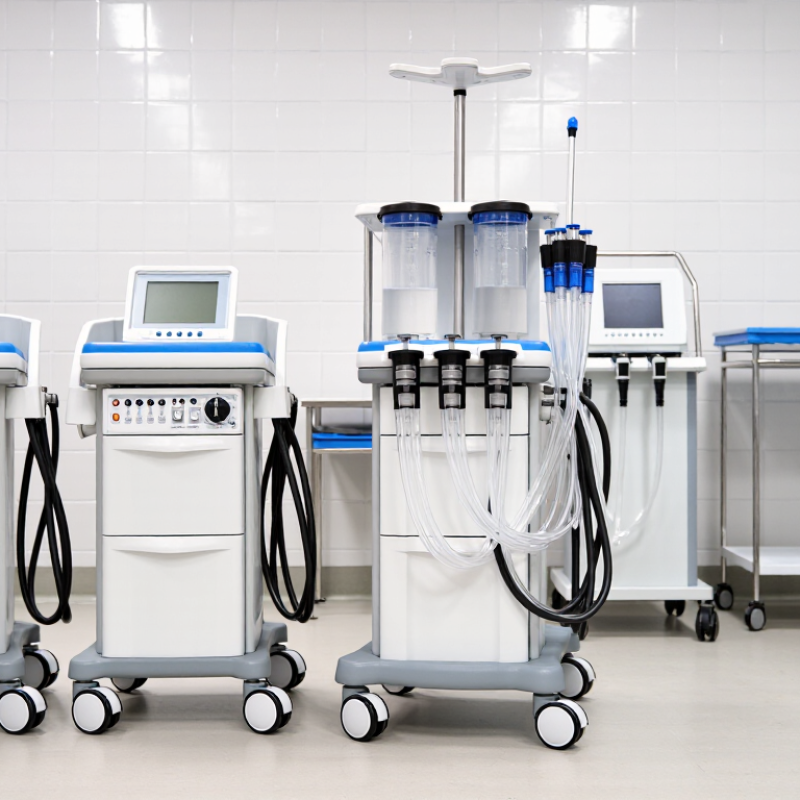
Understanding How Liposuction Aspirator Machines Work
A liposuction aspirator creates controlled negative pressure to draw tissue through a cannula and into a collection canister. The clinician guides the cannula; the machine supplies suction through sealed tubing. The collected material may contain fat and fluid, so the canister’s capacity and visibility matter during use. Small details matter.
When assessing a machine, look for a clear vacuum gauge and controls that allow suction to be adjusted. A higher setting is not automatically better. Stable pressure, secure tubing connections, and alarms for problems such as a full canister can support careful operation. The device should also fit the intended clinical setup, including its power supply, mobility needs, and compatible accessories.
Maintenance affects performance, too. Check how filters are replaced, which surfaces require cleaning, and what routine inspections the instructions specify. A quick visual check for cracked tubing or loose fittings can reveal issues before operation. Noise and portability may seem secondary, but they shape day-to-day workflow. No feature replaces trained clinical judgment, and specifications alone cannot show how a machine will perform in every setting. A practical evaluation should include the controls, setup, and service requirements—not just the advertised suction range.
Matching Machine Capacity to Clinical Needs
Matching Machine Capacity to Clinical Needs
Choosing an aspirator starts with the procedures performed most often, not the largest number on a specification sheet. A clinic handling limited treatment areas may need different suction capacity from a center with longer, more frequent cases. Consider expected procedure duration, cannula sizes, and the number of rooms using the unit. Capacity is not everything. Stronger suction does not automatically mean better control or safer outcomes.
Tip: Match the machine’s rated airflow and vacuum range to the clinician’s usual techniques. Check the manufacturer’s instructions and confirm that performance remains suitable with the tubing and collection canister in use. A brief demonstration can reveal details that a brochure misses, such as how steadily suction responds during adjustments.
Also assess practical demands. A compact unit may be easier to move between rooms, while a busy service may value higher workload capacity and straightforward servicing. Ask about alarms, filters, noise, cleaning requirements, and access to technical support. Small details matter. It is tempting to buy extra capacity “just in case,” but unused power can add cost and complexity. I would revisit the choice after reviewing actual case volume; estimates are imperfect, and clinical needs change.
Evaluating Suction Control and Performance
7 Tips for Choosing the Best Liposuction Aspirator Machines?
Evaluating Suction Control and Performance
A pressure dial is only useful when its readings match performance at the cannula. Ask for the machine’s operating range, adjustment increments, and pressure stability under load. Request test results with the same tubing and collection setup used in practice. A smooth reading at idle may not reflect suction during active aspiration. Check how quickly pressure changes when the control is adjusted. Too abrupt, and fine control can become difficult. Too slow, and the operator may compensate by overcorrecting. Small details matter.
Noise and maintenance matter, too. Listen for changes in motor pitch as suction increases, and check whether filters or full canisters affect output. Ask how often gauges require calibration, and whether service records document pressure checks. The American Society of Plastic Surgeons reported 347,782 liposuction procedures in 2023, a 7% increase from 2022 (2023 Plastic Surgery Statistics Report). That figure describes procedure volume, not machine quality, so it cannot validate a particular performance claim. Compare written specifications with repeatable test data, and treat vague terms such as “powerful” cautiously. A polished spec sheet can still leave gaps. Note them before making a decision.
Checking Safety Features and Regulatory Compliance
A liposuction aspirator should be assessed as a medical device, not just by suction strength. Tip: Ask for its current market authorization or clearance in the country where it will be used, then confirm the model and intended use match the paperwork. Check electrical safety documentation, risk-management records, alarm behavior, and instructions for cleaning and maintenance. IEC 60601-1 and ISO 14971 are useful standards to ask about, but a certificate alone does not prove suitability for every clinic.
Tip: Inspect the details. Can staff see pressure readings clearly? Are tubing connections secure, and can the collection canister be monitored without interrupting the procedure? FDA says its MAUDE database receives over two million medical-device reports each year across device types. Those reports can flag hazards, but they do not establish how often a device fails or prove that it caused an injury. Use them as a prompt for questions, not as a safety score.
Tip: Request service records, training materials, and the manufacturer’s process for reporting malfunctions. Verify that local registration and import requirements are met, and document who checked them and when. A checklist helps. It can still miss rushed setup or a poorly trained operator; that deserves honest attention during evaluation.
Comparing Usability, Maintenance, and Total Cost of Ownership
When comparing liposuction aspirator machines, assess usability during a realistic setup, not from a brochure alone. Can staff read the controls at a glance? Are the tubing connections easy to identify, and can the unit move through the room without awkward turns? Small details matter. Ask qualified users to evaluate setup, noise, foot controls, and visibility of pressure readings. A machine that seems simple in a demonstration may feel different during a busy workday.
Maintenance affects both availability and cost. Review cleaning requirements, filter changes, service intervals, and the time needed to access routine components. Check whether replacement parts and trained technicians are readily available. Keep a written estimate of expected service and consumable costs. That adds up. It is easy to overvalue a low purchase price and overlook downtime, but estimates can also be imperfect; confirm assumptions with the supplier and your clinical engineering team.
For total cost of ownership, compare the purchase price with installation, staff training, consumables, preventive maintenance, and likely repairs over the equipment’s expected service life. Ask for warranty terms in writing and clarify what is excluded. Consider how the machine fits existing workflows and storage. A practical comparison should use the same time period and usage assumptions for every option, or the numbers may mislead.