How to Choose Steel Fire Escape Doors for Your Building?
In the realm of building safety, the choice of Steel Fire Escape Doors is crucial. According to a 2021 report from the National Fire Protection Association (NFPA), nearly 80% of fire fatalities occur in buildings without proper escape routes. Steel Fire Escape Doors offer durability and reliability, essential for emergency situations. Their ability to withstand high temperatures means they can help protect occupants longer during an evacuation.
Choosing the right doors involves evaluating fire ratings, material quality, and design features. High-quality steel doors can provide essential strength and longevity. However, many buildings still install subpar options, potentially compromising safety. A detailed inspection of door specifications is vital; even minor flaws could pose significant risks.
Moreover, installing doors that do not meet building codes can lead to serious consequences. It might seem tempting to cut costs, but the price of neglecting safety can be devastating. Investing in Steel Fire Escape Doors isn’t just about compliance; it’s about protecting lives. Evaluating options with a focus on quality is paramount for ensuring a safer environment.
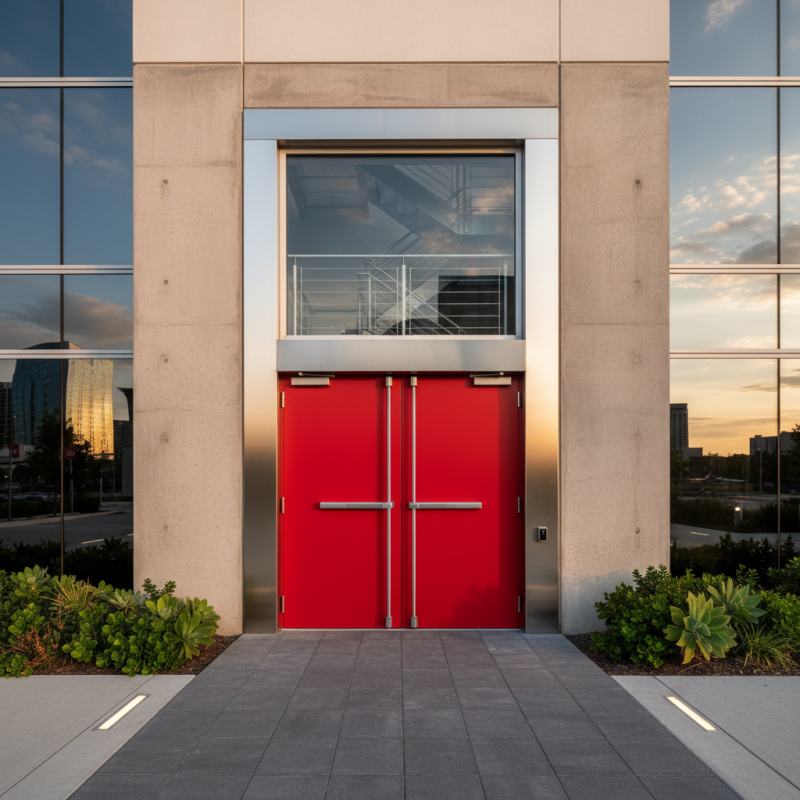
Understanding the Importance of Steel Fire Escape Doors in Buildings
Steel fire escape doors are crucial for any building. They provide safe exits during emergencies. The design and materials used affect their performance. A well-constructed door can save lives. However, not all steel doors are made equal. Some may lack the necessary fire ratings. This compromises safety and can lead to tragedies.
Understanding fire escape doors helps in making informed choices. They must meet local safety codes. Features like self-closing hinges and secure locking mechanisms are essential. Proper installation is equally important. Many buildings overlook this detail. A poorly installed door can fail when it matters most.
Regular maintenance cannot be ignored. Rust and wear can weaken a door over time. Inspections should be routine, yet many buildings skip this step. It is easy to assume everything is fine. However, neglecting maintenance can lead to severe consequences in emergencies. Emphasizing awareness and diligence in choosing and maintaining these doors is key.
Key Features to Look for in Steel Fire Escape Doors
When selecting steel fire escape doors, safety is paramount. Look for doors that meet specific fire ratings. According to a report by the National Fire Protection Association, over 3,000 fire-related fatalities occur annually in the United States. The right door can save lives. It should have at least a one-hour fire resistance rating. This ensures that it can withstand severe heat and smoke long enough for occupants to escape.
Durability is another key feature. Steel doors should be constructed with high-quality materials that resist wear and damage. Research shows that over 80% of structural fires escalate quickly. A strong door can withstand both impact and fire. Framing and hinges must also be robust. Often, overlooked aspects, like weather stripping, enhance insulation and smoke sealing. These details ensure that the escape route remains clear and effective.
Aesthetic appeal matters too. While functionality is critical, the design shouldn't compromise safety. Choose doors that complement the building while adhering to fire safety regulations. Many steel options are available in different finishes. However, ensure that the finish contributes to the longevity of the door. Unexplored designs could lead to underwhelming choices. Over time, a neglected door can become a liability rather than a safety asset.
Assessing Building Codes and Regulations for Fire Escape Doors
When selecting steel fire escape doors, understanding building codes is crucial. These regulations vary by region, influencing design, placement, and materials. The National Fire Protection Association (NFPA) states that proper egress can reduce injuries by 25%. Compliance ensures safety and functionality.
Many building codes mandate specific features for fire escape doors. For example, doors must be self-closing and swing outward. Some codes require a minimum width of 32 inches for accessibility. These details are often overlooked, yet they are vital for ensuring a smooth escape in emergencies. It's essential to stay updated on local legislation, as laws frequently change.
Steel doors are durable, but not all meet fire safety standards. Regularly assessing the quality and certifications of the doors is necessary. Reports show that approximately 30% of buildings fail to comply with one or more fire safety regulations. It highlights the importance of thorough inspection and adherence to codes. Ignoring these aspects could have dire consequences.
How to Choose Steel Fire Escape Doors for Your Building? - Assessing Building Codes and Regulations for Fire Escape Doors
| Criteria | Details | Regulatory Compliance | Recommended Features |
| Material Quality | High-grade steel with anti-corrosive properties | Must follow ASTM A1008 standards | Fire-rated up to 3 hours |
| Size & Installation | Standard sizes: 32x80 inches | Comply with NFPA 80 for installation | Easy swing operation |
| Accessibility | Must allow for quick evacuation | ADA compliant where applicable | Push bar mechanism |
| Security Features | Anti-theft locks and reinforced frames | Locking mechanisms must meet local codes | Electronic access control option |
| Maintenance Requirements | Regular inspection and lubrication needed | Follow manufacturer guidelines | Corrosion-resistant finishes suggested |
Evaluating Durability and Security of Steel Fire Escape Doors
When evaluating the durability and security of steel fire escape doors, material quality is crucial. High-quality steel can withstand various forces and environmental conditions. A thicker gauge enhances resistance to impacts and rust. Consider doors with a minimum thickness of 16-gauge for better durability.
Locking mechanisms should also be strong. Look for high-security locks that resist tampering. Automatic closing features ensure the door is shut promptly after use. This adds another layer of safety during emergencies.
Tips: Always check for proper certification on fire ratings. This reflects the door's capacity to withstand heat. Regular inspections help identify any wear or damage. Proper maintenance is essential for longevity. Fire escape doors must be functional at all times. Even small issues can compromise safety.
Choosing the Right Manufacturer for Steel Fire Escape Doors
Choosing the right manufacturer for steel fire escape doors is crucial. The right choice ensures safety and compliance with codes. Look for manufacturers with experience and a solid reputation. They should have a history of producing durable doors that withstand emergencies.
Tips: Check reviews and testimonials. Customer feedback reveals a lot about quality. Reach out to past clients if possible. A manufacturer with a good track record provides peace of mind.
Consider the materials used. High-quality steel is essential for fire doors. Ask about fire ratings and certifications. Not all manufacturers provide this information clearly, so pay attention. It can be a red flag if details are vague.
Another point to consider is customer support. A responsive manufacturer can guide you through installation and maintenance. They should offer assistance after the sale. It is important, yet not all companies prioritize this. Evaluate their commitment to customer service.
Steel Fire Escape Doors Selection Criteria
This chart illustrates the key selection criteria for steel fire escape doors. The importance rating ranges from 1 to 10, with Durability and Fire Resistance being rated the highest, while Aesthetic Appeal is considered the least critical aspect. Proper assessment of these factors can lead to better decision-making for building safety and compliance.