How to Choose the Right Stainless Hex Nuts for Your Project?
Choosing the right Stainless Hex Nuts for your project can feel overwhelming. With various materials, sizes, and grades available, it’s crucial to make informed decisions. According to a recent report by the Fastener Quality Act Advisory Committee, the stainless steel fastener market is projected to grow by 4.2% annually through 2025. This growth reflects an increasing demand for reliable and robust fasteners in various industries.
Expert James H. Carter, a leading figure in the fastener industry, emphasizes, “Selecting quality Stainless Hex Nuts is vital for ensuring safety and longevity in your projects.” His insights underline the importance of understanding the specific requirements of your application. A small oversight, like choosing the wrong grade or finish, can lead to significant failures.
While most assume any stainless nut will suffice, that's not always true. Factors like corrosion resistance, strength, and environmental conditions must guide your choice. Yet, every project has its unique challenges. Thus, thorough consideration of your specific needs is key to avoiding mistakes.
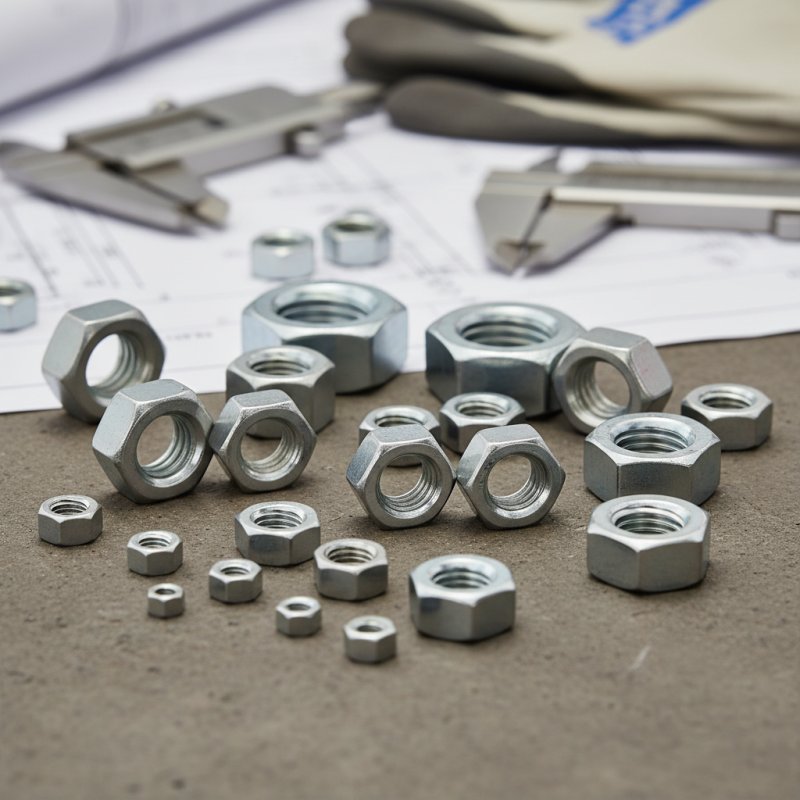
Understanding the Different Types of Stainless Hex Nuts Available
When selecting stainless hex nuts, understanding the various types available is crucial. These nuts can differ in grade, size, and finish. Some are designed for heavy-duty applications, while others cater to lighter uses. The most common grades are 304 and 316. Grade 304 offers good corrosion resistance for general purposes. However, it may not withstand harsh environments.
On the other hand, grade 316 provides better durability. It resists saltwater effectively, making it ideal for marine applications. The surface finish can also vary. Some have a shiny polish, while others may be dull. Choosing the right finish involves considering both aesthetics and functionality. For instance, a polished nut might look better in visible locations.
Keep in mind, you may face challenges with compatibility. Ensure your hex nuts fit well with the bolts you intend to use. Misalignments can lead to weak connections. It's essential to account for load and environmental conditions, as they impact performance. If you’re unsure about your choice, consult with an expert. This can save you from costly errors in your project.
Key Factors to Consider When Selecting Stainless Hex Nuts
When choosing stainless hex nuts, consider several key factors. Start with the material type. Stainless steel varies in grade, which impacts strength and corrosion resistance. For outdoor projects, opt for nuts made from 316 stainless steel. This type boasts excellent durability. However, it can be more expensive.
Next, examine the size and thread pitch. Ensure the nuts fit properly with your bolts. Using mismatched sizes can lead to project failure. Pay attention to the nut’s dimensions and compare them with your needs. Sometimes, people order the wrong size. Measure twice before purchasing to avoid costly mistakes.
Think about the environment where the nuts will be used. High humidity or exposure to saltwater requires better protection against rust. Additionally, consider surface finish. Smooth surfaces often create a tighter seal. Rough finishes might provide grip but can collect dirt. Balance aesthetics and functionality based on your specific application. Decisions matter, and this process demands reflection.
Assessing the Strength and Durability of Stainless Hex Nuts
When selecting stainless hex nuts, strength and durability are crucial factors. Stainless steel offers excellent corrosion resistance. However, not all grades perform equally under stress. Some may fail in high temperatures or extreme conditions. This variability can impact your project's outcome.
Consider the applications of your project. Will it be exposed to harsh environments? If so, opt for higher-grade stainless steel nuts. They provide better performance over time. Pay attention to tensile strength ratings. These numbers indicate how much load the nuts can withstand. Lower ratings might lead to failures during usage, leaving you to reconsider your choices.
Even with the right materials, installation matters. Proper tightening is essential for maintaining strength. Over-tightening can damage threads. This may cause premature failure later. It is easy to overlook these details, but they can significantly affect durability. Always reflect on your choices to ensure a long-lasting solution.
How to Choose the Right Stainless Hex Nuts for Your Project?
| Dimension | Material Grade | Strength (psi) | Corrosion Resistance | Applications |
| M2 | A2 | 70,000 | Good | Electronics, M4 |
| M3 | A4 | 80,000 | Very Good | Marine, Chemical Processing |
| M4 | B8 | 100,000 | Excellent | High-stress Applications |
| M5 | A2-70 | 70,000 | Good | General Use, Architectural |
| M6 | A4-80 | 80,000 | Very Good | Structural Applications |
Matching Stainless Hex Nuts to Material Compatibility
When selecting stainless hex nuts, material compatibility is crucial. Different materials react differently when combined. For instance, stainless steel and aluminum can create galvanic corrosion. This reaction may weaken connections over time. Thus, choosing the right nut can be an intricate task.
Consider the environment too. If your project is in a harsh setting, resistive materials are essential. Coatings can also help in some cases. However, not all coatings hold up well. Make sure to check their ratings before making a choice. Another aspect is load requirements. Some nuts may not handle heavy loads effectively. Test them under your project’s conditions if possible.
You might encounter some mismatches. Not every nut fits every bolt perfectly. A poor fit can lead to failure. Always measure bolts beforehand. This step is often overlooked but vital for success. Take your time. Choosing the right hex nut is more than just picking a type; it’s about ensuring long-term performance.
Evaluating Cost vs. Quality in Stainless Hex Nut Selection
When selecting stainless hex nuts for your project, evaluating cost versus quality is essential. Many manufacturers offer a variety of grades, each with unique properties. According to the Specialty Steel Industry of North America, the demand for stainless steel products is projected to grow steadily. This emphasizes the importance of choosing the right material for durability and performance.
Lower-priced hex nuts may seem appealing at first glance. However, they can lead to complications down the road. A report from the ASTM International highlights that inferior quality materials can weaken the structural integrity of fasteners. Corrosion resistance, strength, and threading precision are crucial. Investing in higher quality hex nuts can prevent costly repairs and replacements over time.
Another factor to consider is the specific application and environmental conditions. For example, marine environments require higher corrosion resistance. ASTM F593 outlines the importance of selecting the right alloy, which can significantly impact lifespan and reliability. Brands with a standardized quality control process often yield better results. However, balancing between budget constraints and quality can be challenging, leading to a sometimes frustrating decision-making process. Careful evaluation can mitigate these risks.