How to Choose the Right Cross Tapping Screws for Your Project?
When embarking on a new project, selecting the right cross tapping screws can make all the difference. Industry expert John M. Bassett, founder of Fastener Solutions Inc., emphasizes, “Choosing the right screws is crucial for ensuring structural integrity.” Understanding the various types of cross tapping screws and their applications is essential for any builder or DIY enthusiast.
Mistakes in screw selection can lead to project delays and unexpected failures. The right screw must match the material it will penetrate. A common oversight is assuming all screws perform the same, which is rarely true. Cross tapping screws, designed for metal and plastic, offer versatility that some might overlook.
Having a solid grasp of your project specifications is key. Factors like screw length, thread design, and material should be considered. "Not all cross tapping screws are created equal." This sentiment serves as a reminder to be meticulous in your selection process. Errors can often arise from insufficient knowledge or haste. A well-informed choice ensures the longevity and success of your project.
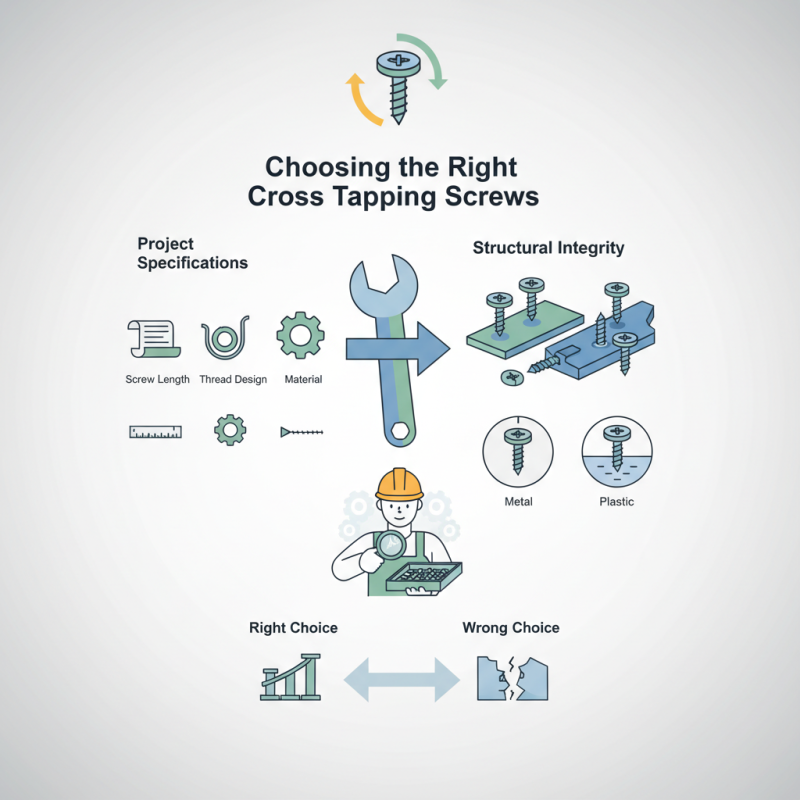
Understanding Cross Tapping Screws and Their Applications
Cross tapping screws, also known as thread-forming screws, have unique characteristics that make them essential for various projects. They are designed to create their own threads in materials without the need for pre-drilled holes. This feature enhances the fastening efficiency and enables a strong grip. The materials they work best with include plastics, metals, and composites, which are common in construction and manufacturing.
When selecting cross tapping screws, consider the material thickness and type. Thin materials may require smaller screws to prevent damage. Choose screws with the appropriate thread pitch for the material type, as this affects the holding power. Length is also a crucial factor; longer screws may provide a stronger bond but can risk penetrating too deeply. Remember to reflect on your specific project needs as improper choices could lead to weaknesses in the assembly.
Also, think about the screw head style. Some projects benefit from flat heads for flush finishes, while others might require rounded heads for added strength. It’s essential to test different options to determine the best fit for your application. This process can be time-consuming, but experimentation often leads to more reliable outcomes.
Factors to Consider When Selecting Cross Tapping Screws
When selecting cross tapping screws, several factors play a critical role. The material of the screw is essential, as it influences durability. Steel screws are common, but stainless steel offers better corrosion resistance. According to a recent industry report, the failure rate of metal fasteners can reach 15% in harsh environments. This highlights the importance of choosing the right material for long-lasting solutions.
Another consideration is the screw's size and thread design. Phillips and slotted heads are popular, but they have different torque capacities. Studies show that improper sizing can lead to stripping and weak connections. This can compromise the integrity of the entire assembly. Pay attention to the gauge and length of the screws based on your specific application.
Tips: Always match the screw type with the material you’re fastening. Conduct a trial fit before the final installation. Regularly review your selection criteria based on previous project outcomes. This reflective practice ensures continuous improvement and a deeper understanding of your needs. Factor in all aspects to minimize the risk of failures.
Material Types for Cross Tapping Screws: Pros and Cons
When selecting cross tapping screws, the material type is crucial. Each material brings its own advantages and disadvantages that can affect your project. Steel screws are known for their strength and durability. They can withstand heavy loads and are suitable for various applications. However, they are prone to rust without proper coatings. Research indicates that around 30% of fastener failures arise from corrosion.
Aluminum screws are lightweight and corrosion-resistant. They are ideal for projects where weight is a concern. Yet, they can be less robust than steel. In a recent industry report, about 25% of users found aluminum screws inadequate for high-stress environments.
Tips: When working with aluminum, ensure you use compatible materials to prevent galvanic corrosion. Conduct a tensile strength test before finalizing your choice.
Plastic screws, while not as common, offer unique benefits. They are non-conductive and resistant to chemicals. However, they may not hold up under heavy loads. In one particular case study, using plastic screws led to a 15% increase in maintenance intervals, indicating their usefulness in specific applications.
Tips: Evaluate the load requirements of your application to avoid failure. Choose materials wisely based on environmental exposure. Make sure to stay informed and aware of each material's limitations.
Material Types for Cross Tapping Screws: Pros and Cons
Sizing and Thread Variations in Cross Tapping Screws
When selecting cross tapping screws for your project, understanding sizing and thread variations is crucial. Cross tapping screws, commonly used in various applications, come in different sizes. A key consideration is the diameter. Standard options range from #0 to #14, with measurements typically falling between 0.060 inches to 0.228 inches. Using inappropriate sizes can lead to weak joints or strip holes.
Thread variations can greatly impact performance. Common types include coarse and fine threads. Coarse threads provide better grip in softer materials. Fine threads offer better tensile strength and are suitable for harder materials. Research indicates that a finer thread can prevent slip and enhance stability in critical applications, such as automotive or structural settings.
It's important to consider the materials being used. For instance, choosing steel screws for aluminum can lead to galling and premature failure. Inspect your project’s requirements closely. Miscalculations in size or thread type can result in costly delays. Adjustments may be necessary, leading to inefficiencies. Balancing performance and ease of use is essential in the selection process.
Best Practices for Installing Cross Tapping Screws Effectively
When installing cross tapping screws, it's crucial to follow best practices to ensure strong and reliable connections. The accuracy of your pilot holes can significantly impact the screw's performance. Studies indicate that a misaligned pilot hole can reduce screw strength by up to 30%. Always use the appropriate drill bit size for your screws. A snug fit helps achieve optimal engagement and prevents stripping.
Tips: Always drill at a consistent speed. Uneven drilling can cause the material to weaken, leading to potential screw failure. Consider using a depth stop on your drill to maintain consistent hole depth. This ensures that screws are properly anchored without damaging the material.
Pre-tapping materials with a slightly smaller diameter bit can be beneficial. This technique can enhance screw insertion and decrease stress on the surrounding material. Additionally, ensure that the screws are free from dust and debris before installation. Any contaminants can affect the screws' holding power. Proper tightening is essential, but excessive torque may lead to material fracture, especially in softer materials. Always check your torque guidelines for the specific project at hand.