How to Choose an Intelligent Forklift at 2026 Canton Fair?
Choosing the right Intelligent Forklift-Chinese is crucial for businesses attending the 2026 Canton Fair. This event will showcase cutting-edge manufacturing technologies, including advanced forklifts equipped with AI features. Dr. Li Zhong, an expert in autonomous machinery, stated, "Selecting the right intelligent forklift can transform warehouse efficiency."
The Canton Fair’s introduction of AI search tools and navigation enhances the experience for buyers. Visitors can filter suppliers based on certifications like ISO and CE. This makes finding the right Intelligent Forklift-Chinese more manageable. With a vast exhibition space of 1.55 million square meters, planning an efficient route is necessary.
Companies should consider specific needs when choosing a forklift. Factors such as load capacity, battery life, and AI features are essential. While many options exist, not all will fit your requirements. Reflect on priorities and gather insights from industry experts. Engaging with knowledgeable vendors can lead to better decisions. Choosing an Intelligent Forklift-Chinese may seem straightforward, yet the right choice can define operational success.
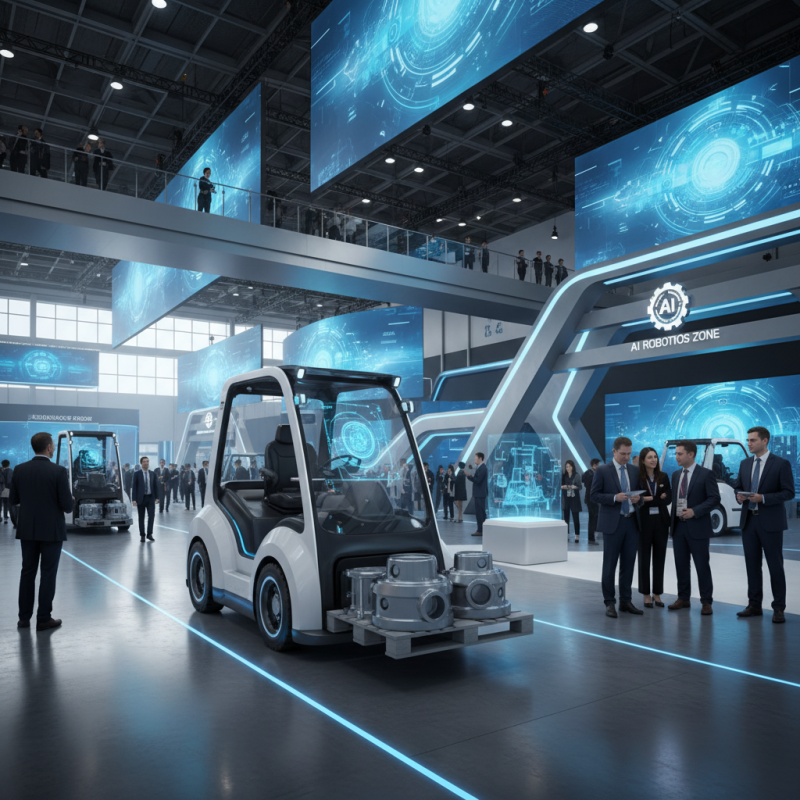
Factors Influencing the Selection of Intelligent Forklifts at Trade Shows
Choosing the right intelligent forklift at a trade show can be challenging. Several factors influence your decision. First, consider the forklift's load capacity. You need a machine that can handle your heaviest loads without strain. Think about the types of materials you'll move. Forklifts handle pallets, crates, and even delicate items differently. Ensuring compatibility with your operations is key.
Next, examine the technology features. Intelligent forklifts often come with advanced systems that improve efficiency. Look for options like automation and connectivity. These features help streamline operations. However, consider whether your workforce is ready to adapt to new technologies. Training may be required, and that could slow down immediate productivity.
Lastly, you should think about the maintenance and support options available. An intelligent forklift is an investment. Reliable service support is crucial to prevent downtime. Not all vendors offer outstanding service. Check reviews or ask for experiences shared by other users. This will help you reflect on your choices before making a commitment.
Understanding Technological Advancements in Forklift Automation by 2026
The 2026 Canton Fair promises to unveil the latest advancements in forklift automation. Smart forklifts are changing how materials are handled in warehouses and factories. They utilize advanced sensors, artificial intelligence, and IoT connectivity. This technology drives efficiency and safety, yet it also requires understanding.
When choosing an intelligent forklift, focus on features. Look for models equipped with real-time data analysis. Ensure they include safety features like obstacle detection. These elements are vital for operational success.
Tips: Test the forklift features live before you purchase. Watch its response to different loads or terrains. Observe how easy it is to control. Inquire about software updates. Technology evolves rapidly. Make sure your forklift can adapt to future advancements. Investing smartly today means being ready for tomorrow.
Evaluating Productivity Metrics and Efficiency Gains of Smart Forklifts
When selecting an intelligent forklift, assessing productivity metrics is crucial. Smart forklifts can help businesses enhance operational efficiency. According to a recent industry report, these machines can improve productivity by up to 30%. Enhanced navigation technology plays a key role. Laser sensors and advanced algorithms allow for precise movement and reduced errors.
Adopting smart forklifts often leads to a more streamlined workflow. The data reveals that companies using intelligent solutions report a 25% decrease in operational costs. However, some challenges remain. These machines require a learning curve. Employees may need training to maximize their capabilities. This transition phase can impact productivity temporarily.
Moreover, not all smart forklifts are the same. Some models may have limitations in certain environments. Evaluating your specific operational needs is essential. Productivity gains must align with the capabilities of the forklift. Data from a leading logistics study indicates that 40% of businesses regret not thoroughly assessing their equipment choices. Understanding these aspects is key to making informed decisions.
How to Choose an Intelligent Forklift at 2026 Canton Fair? - Evaluating Productivity Metrics and Efficiency Gains of Smart Forklifts
| Feature | Standard Forklift | Smart Forklift | Efficiency Gain (%) |
| Operational Speed (m/s) | 1.5 | 2.0 | 33% |
| Load Capacity (kg) | 1500 | 2000 | 33% |
| Battery Life (hours) | 6 | 10 | 67% |
| Cost of Operation ($/hour) | 15 | 10 | 33% |
| Error Rate (%) | 5 | 1 | 80% |
Assessing Safety Features and Compliance Standards for Intelligent Forklifts
When choosing an intelligent forklift at the 2026 Canton Fair, safety features are paramount. Inspect the forklift's emergency stop systems. Ensure they are easy to access and clearly marked. Look for advanced sensors that can detect obstacles. This technology helps prevent accidents in busy environments.
Compliance with safety standards is also crucial. Inquire about certifications and testing processes for the forklifts on display. Meeting these standards ensures the machine can operate safely under various conditions. Additionally, consider the visibility aspects. Operators should have a clear line of sight to avoid potential hazards.
Do not overlook the importance of operator training. Some models may have complex controls that require thorough instruction. A forklift that is hard to operate can lead to mistakes. Reflect on the amount of training required. It may influence your overall decision. Make sure to compare the safety features of different models before making a choice.
Analyzing Cost-Benefit Scenarios for Intelligent Forklift Investments in 2026
Investing in intelligent forklifts can seem daunting, especially at events like the 2026 Canton Fair. Cost-benefit analysis is essential. Start by assessing your operational needs. How many hours will the forklift operate daily? What is the expected workload? This analysis can reveal if an intelligent solution is truly necessary for your operations.
Consider maintenance costs alongside purchase prices. Intelligent forklifts often require specialized training. Will your staff need additional certifications? This could increase initial costs. Moreover, what about long-term benefits? Smart technology can reduce labor costs and optimize warehouse efficiency. However, the return on investment may not be immediate. Reflect on your current processes before committing.
Explore the potential for integration with existing systems. Not all intelligent forklifts are compatible. This can lead to hidden expenses. Additionally, the technology can sometimes feel overwhelming. Operators may struggle with new systems initially. Gaining feedback from those who will use the equipment is crucial. Their insights might pose essential questions, pushing you to consider whether the investment is truly worthwhile.