How to Choose Between 1550nm and 1927nm Fiber Lasers?
When it comes to laser technology, selecting the right wavelength is crucial. The decision between 1550nm and 1927nm Fiber Laser can significantly impact performance. Understanding their differences is essential for making an informed choice.
1550nm and 1927nm fiber lasers serve different applications despite some similarities. The 1550nm wavelength is often favored for telecommunications. It offers great efficiency in long-distance data transmission. On the other hand, the 1927nm wavelength shines in materials processing. It absorbs better in specific materials, making it suitable for industrial applications.
Making a choice isn't easy. Key factors include application requirements, material types, and cost-effectiveness. Skimping on research could lead to suboptimal results. It’s vital to assess the specific needs of your project carefully. Understanding these nuances will ensure you use the correct fiber laser for your operations.
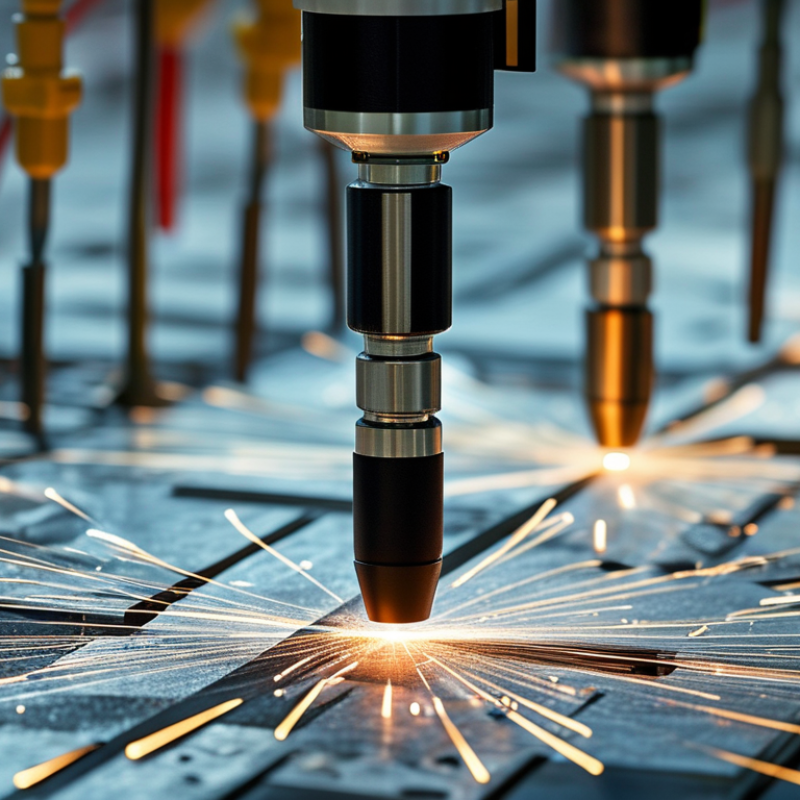
Understanding Fiber Laser Wavelengths: 1550nm vs 1927nm
When selecting between 1550nm and 1927nm fiber lasers, understanding the wavelengths is crucial. The 1550nm laser is widely used in telecommunications. It is known for its low attenuation in silica fibers. This wavelength allows for efficient data transmission over long distances. In industrial applications, however, it may not always be the best choice.
On the other hand, the 1927nm laser shows promise for metal processing. Its unique wavelength can heat materials differently. This method can lead to a more refined cutting process. Yet, the 1927nm fiber laser may not fit all industrial needs. Its effectiveness can vary depending on the specific application and materials used. Users might find that the investment in this technology requires thorough testing.
Choosing the right wavelength is not simply a matter of specifications. Each application has its nuances. Factors like material type, thickness, and desired finish come into play. Testing both wavelengths can be a practical approach. Identifying any shortcomings or inefficiencies early on can save time and resources. Selecting a laser is a nuanced decision that must align with operational goals.
Comparison of Fiber Laser Wavelengths: 1550nm vs 1927nm
This chart illustrates the comparison of average power output between 1550nm and 1927nm fiber lasers. The 1550nm fiber laser demonstrates a higher average power output compared to the 1927nm variant, making it potentially more suitable for demanding applications. Understanding these differences can help in choosing the appropriate laser for specific uses.
Key Applications for 1550nm Fiber Lasers
When considering 1550nm fiber lasers, their applications are diverse and impactful. These lasers are widely used in telecommunications, particularly for long-distance fiber optic communication. The wavelength of 1550nm significantly reduces signal loss over extended ranges, making it ideal for high-speed data transmission. This efficiency can drastically improve network performance and reliability.
Additionally, 1550nm lasers excel in medical applications. They are used in various diagnostic and therapeutic procedures, including eye surgeries. The precision of these lasers allows for minimal damage to surrounding tissues, enhancing patient recovery times. In industrial settings, 1550nm lasers are effective for cutting and welding materials, providing clean edges and reducing waste.
Tips for selecting the right laser include assessing the specific requirements of your application. Consider factors like distance, material type, and desired outcomes. Evaluate both performance and cost-effectiveness carefully. Understanding these elements ensures a more informed choice.
Be aware that not every application may benefit from 1550nm lasers. Sometimes, the requirements may shift towards alternative wavelengths. It is crucial to stay adaptable and reflect on the varying needs of your projects.
Key Applications for 1927nm Fiber Lasers
When considering 1927nm fiber lasers, one must evaluate their unique applications. The 1927nm wavelength excels in medical and industrial fields, particularly in treating soft tissues. Studies indicate that this wavelength offers deeper absorption in water, enhancing its effectiveness for procedures such as skin resurfacing and fat reduction. Data shows that procedures utilizing 1927nm lasers can achieve a 25% increase in efficacy compared to other wavelengths, making it a compelling choice for practitioners.
In the industrial realm, 1927nm lasers are increasingly utilized for materials processing. For example, they have proven effective for engraving and cutting polymers. The heat generated by this wavelength allows for cleaner cuts and reduced thermal distortion. A report by the Laser Institute of America suggests that the 1927nm fiber laser market is projected to grow by 15% annually, highlighting its rising demand.
The choice of a laser should reflect the applications intended. Some professionals may prefer 1550nm for its versatile applications across various materials. However, for those focused on specific medical uses, 1927nm lasers may offer unparalleled advantages. It is essential to weigh the benefits against potential drawbacks, such as cost and operational complexity. This analysis helps ensure optimal decision-making in laser selection.
Advantages and Disadvantages of 1550nm and 1927nm Lasers
When deciding between 1550nm and 1927nm fiber lasers, it’s essential to weigh their advantages and disadvantages. The 1550nm laser excels in applications like telecommunications. Its wavelength efficiently transmits signals over long distances. This results in lower attenuation and better overall performance.
On the other hand, 1927nm lasers are often used in specialized applications such as fiber laser cutting. They have a unique advantage in processing materials like metals and ceramics. However, they might not be as effective for longer-distance communications.
Tip: Consider your project’s specific needs. If you prioritize signal clarity for data transmission, the 1550nm might be your best choice. However, for tasks requiring high precision, the 1927nm could be more suitable.
It’s also crucial to recognize potential downsides. The 1550nm laser may not perform well with certain materials. Furthermore, the 1927nm can be less efficient with signal transmission. Evaluating these factors will help you make a more informed choice. Your application and desired outcomes greatly influence which laser is the right fit.
Factors to Consider When Choosing the Right Fiber Laser Wavelength
When choosing between 1550nm and 1927nm fiber lasers, several factors warrant attention. The application is critical in making this decision. 1550nm lasers are commonly used in telecommunications and fiber-optic communication. Their efficiency in transmitting signals over long distances is well-documented. In contrast, 1927nm lasers excel in specific industrial applications, such as cutting and welding. The established performance records of these wavelengths point to their suitability in particular sectors.
Material interaction is another significant consideration. The 1550nm wavelength is absorbed well by certain materials but may fall short with others. Meanwhile, the 1927nm laser offers unique advantages when working with materials that have higher absorption rates within that wavelength range. Additionally, ease of absorption can influence the quality of the cut or weld. This aspect often requires experimentation, as not all materials behave as expected.
Cost and maintenance are practical concerns. Generally, 1550nm lasers can be more affordable and easier to maintain. Nevertheless, if a specific application demands higher precision or efficiency, investing in a 1927nm fiber laser may be justified. Such considerations often lead to a careful weighing of options, reflecting on the specific needs and resources of your operation. These nuances highlight the importance of tailored decision-making in fiber laser selection.