How to Choose the Best WPC Fence for Your Home?
When selecting the best WPC Fence for your home, it's crucial to consider various factors. WPC, or wood-plastic composite, has gained popularity due to its blend of durability and aesthetic appeal. According to a report from Grand View Research, the global wood-plastic composite market is expected to reach $10.4 billion by 2027. This surge indicates a growing recognition of WPC’s benefits.
The construction industry values WPC due to its low maintenance needs and resistance to weather conditions. Significantly, a survey by Research and Markets shows that 59% of homeowners prefer sustainable materials for outdoor construction. WPC fences meet this demand, offering an eco-friendly choice. However, not all WPC fences are equal. Variability in quality exists, raising concerns about reliability.
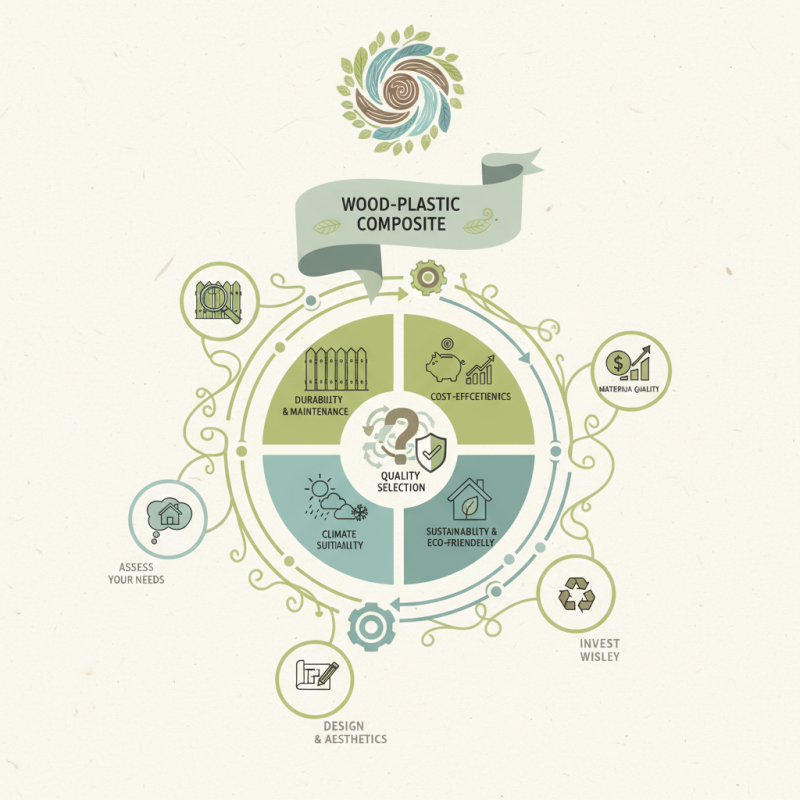
Choosing the best WPC fence requires careful evaluation. Factors like material quality, cost-effectiveness, and suitability for your climate should be assessed. Finding a balance between durability and design is vital. Explore various options to ensure satisfaction. Reflect on your needs, and prioritize quality to invest wisely in your WPC fence.
Understanding WPC Fence: Definition and Composition Overview
WPC, or wood-plastic composite, is a popular material for fencing. It combines wood fibers with plastic to create a durable product. This unique blend gives WPC fences a natural wood look while providing resistance to moisture and pests. Many homeowners prefer this option for its lower maintenance requirements compared to traditional wood fencing.
Understanding the composition is vital. WPC typically consists of about 50% wood fibers and 50% recycled plastic. This balance allows for flexibility and strength. However, not all WPC is created equal. The quality can depend on the manufacturing process and the type of wood used. Homeowners should be cautious about cheaper alternatives, as they may fail to provide the expected durability. It's essential to examine the product details closely, even if that requires extra time.
Choosing the right WPC fence can be daunting. Factors such as color, texture, and finish matter greatly. Colors may fade over time, so selecting a UV-stable option is wise. Texture can impact how natural the fence appears. While WPC offers numerous advantages, potential buyers should stay informed. Reflection on personal needs and local climate can guide better choices.
Key Factors Influencing WPC Fence Selection for Homeowners
When selecting a WPC fence for your home, several key factors come into play. First, consider the material composition. WPC, or Wood Plastic Composite, combines wood fibers and recycled plastics. This balance affects durability and weather resistance. Ensure the material meets your local climate needs. Whether it’s rain or snow, a robust fence should withstand various conditions. Homeowners should evaluate how much maintenance they are willing to take on. WPC can resist decay and pests, but it is not maintenance-free.
The aesthetics of the fence matter too. Is there a specific color or texture that fits your home’s style? Think about how the fence will complement your landscape and architecture. It’s a balance between functionality and visual appeal. Another important consideration is the height and design. This can affect privacy and security. Some designs may require local permits. Check with your local authorities to avoid issues.
Budget is an undeniable factor as well. Prices may vary based on quality and style. Investing in a high-grade WPC can yield long-term savings. However, remember that the cheapest option may not be the best in terms of lifespan. Do your research and weigh the options carefully. Finding the perfect balance can be challenging but worth the effort.
How to Choose the Best WPC Fence for Your Home?
The chart above illustrates the key factors influencing WPC fence selection for homeowners, with ratings from 1 to 10 indicating their importance. Durability ranks highest, followed by aesthetics and cost.
Comparing Durability: WPC Fencing vs. Traditional Wood Fencing
When considering durability, WPC (Wood Plastic Composite) fencing outperforms traditional wood fencing in multiple aspects. According to industry research, WPC fences can last over 25 years with minimal maintenance. In contrast, traditional wood fencing typically needs replacement every 15 years. This long lifespan of WPC results from its resistance to rot and pests, which often plague wood structures.
Moreover, WPC fences do not require regular staining or sealing. This ease of maintenance can save homeowners both time and money. Reports indicate that homeowners can save up to 50% on maintenance costs with WPC compared to wood. Additionally, WPC's color stability is remarkable; it resists fading due to UV exposure, while wood is prone to graying and discoloration.
However, WPC is not without drawbacks, such as potential fading over many years. Some users may notice slight color variations with different batches. While WPC is generally superior for longevity, these imperfections can lead to reflections on its overall appeal. Homeowners should weigh these factors, ensuring they choose the best option for their specific needs and aesthetic preferences.
Cost Analysis: Budgeting for WPC Fencing and Installation
When budgeting for WPC fencing, it's essential to analyze all costs involved. WPC, or wood-plastic composite, offers durability and aesthetics. However, the initial expense may surprise many homeowners. The average cost per linear foot varies significantly based on quality and design. Installation fees should also be factored in, as they can add to the overall budget.
Materials may range in price. Higher-quality WPC often comes with a heftier price tag but may offer better resilience against weathering. Consider potential long-term savings from reduced maintenance. Many people overlook these aspects while planning their budgets. Hidden costs can arise from permits or support structures.
Thinking about the total cost impacts your decision-making. You might find a beautiful fence that exceeds your budget. Reflect on the choices available; a less expensive option might meet your needs just as well. Take time to gather quotes from different contractors. Each bid will provide insights into the potential costs and installation processes. Use these quotes to refine your expectations and prepare for potential adjustments in your budget.
Environmental Considerations: Sustainability of WPC Materials
When selecting a WPC (Wood-Plastic Composite) fence, environmental sustainability plays a crucial role. WPC materials typically incorporate recycled wood fibers and plastic. According to a 2021 report from the National Association of Home Builders, about 30% of WPC consists of recycled content. This contributes to reducing landfill waste and offers a sustainable alternative to traditional fencing materials.
Moreover, WPC products often require less maintenance than traditional wood fences, decreasing the need for chemical treatments. A study by the University of Brighton highlighted that WPC requires 50% less maintenance over its lifespan compared to wood. This not only saves resources but minimizes chemical runoff into the environment. However, some critics argue that not all WPC materials are created equal. It's essential to verify the source of the plastic components, as petroleum-based plastics can offset sustainability benefits.
Lastly, while WPC fences are more durable, their production process can still be energy-intensive. The Environmental Protection Agency notes that the lifecycle assessment of materials is vital. Manufacturers must strive for improved methods to mitigate energy consumption. Buyers should seek transparent data regarding the manufacturing process and eco-friendly certifications, ensuring that their choice contributes positively to environmental sustainability.