How to Choose the Best Special Structure FIBC Bags for Your Needs?
Choosing the right Special-Structure FIBC Bags for your needs is crucial for optimizing packaging solutions. These bags are designed for specific applications, often in industries like agriculture, construction, and chemicals. Their unique features allow them to handle particular materials safely and effectively.
When selecting Special-Structure FIBC Bags, consider factors such as size, shape, and material. Each choice can significantly impact the performance and safety of your products. For instance, a bag designed for storing powders will differ from one made for bulk solids. It's essential to evaluate your requirements carefully.
It's worth noting that not all suppliers provide the same level of quality or reliability. Some bags may fail under specific conditions, which could compromise your operations. Be mindful of the importance of reliable sourcing. Take time to research suppliers who prioritize quality in their production processes. This careful consideration will save you future headaches and ensure your packaging solution meets safety standards.
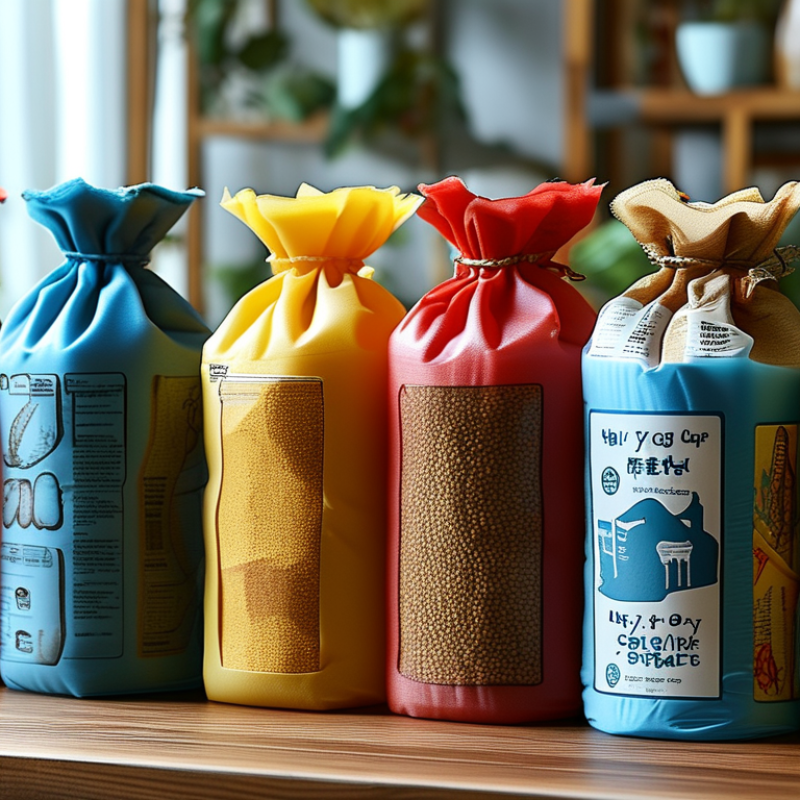
Understanding FIBC Bags and Their Special Structures
FIBC bags, also known as flexible intermediate bulk containers, are vital in various industries. Their specialized structures cater to specific needs. For instance, among the types available, some are designed for bulk powders, while others are suited for granular products. Understanding these structures increases the efficiency of material handling. According to a 2021 industry report, the demand for FIBC bags is expected to grow by 5.7% annually, highlighting their importance in logistics and storage.
When choosing the right FIBC bag, consider factors like load capacity and bag design. The sbag's lift type can affect handling procedures. For example, a bag with a duffle top allows for easy filling, while a spout top is better for controlled discharge. Selecting the appropriate structure can improve workplace safety and product integrity. Consider a recent study that shows using improper bag types can lead to 12% higher operational costs.
Tips: Ensure compatibility between the bag material and the product stored. Unfit combinations can lead to contamination or product loss. Regularly analyzing your FIBC usage can help pinpoint areas for improvement. Make adjustments based on industry challenges to enhance efficiency.
Comparison of Different FIBC Bag Types
This bar chart illustrates the load capacity of various types of FIBC bags. Each type has specific applications based on its structure and properties, which can influence your choice when selecting the right FIBC bag for your needs.
Identifying Your Specific Needs for FIBC Bags
When selecting FIBC bags, identifying your specific needs is crucial. The correct choice ensures optimal performance and safety. According to industry reports, the global FIBC market is anticipated to reach USD 5.5 billion by 2026. This growth highlights the widespread use and demand for tailored solutions in industrial applications.
Consider the type of materials you will store. Different contents require different bag structures. For instance, food-grade FIBCs often use polyethylene to maintain product integrity, while chemical-grade bags might follow stringent safety standards. Evaluating the properties of your materials ensures the chosen bag can withstand the necessary conditions. A report from industry experts states that over 75% of users prefer customizations to meet specific industrial challenges.
Think also about handling and transportation methods. Will the bags be stacked, or will they be transported by conveyor? The design must accommodate these logistic needs. Many users overlook the importance of testing bags under actual conditions. Some report that bags that performed well in trials failed in real situations. This gap highlights the necessity for rigorous evaluation during the selection process. Your choice can significantly impact productivity and safety, making thorough consideration essential.
Evaluating Materials and Design Features of FIBC Bags
When selecting FIBC bags, material and design features play a crucial role. Various materials offer unique properties. For instance, polypropylene is popular due to its strength and lightweight nature. Consider the bag's resistance to chemicals and moisture. This is vital for ensuring product safety during storage and transport. Some materials are better suited for specific industries, which makes understanding your needs essential.
Design features also impact the performance of FIBC bags. Many bags come with options for spouts, duffle tops, or open tops. Each design serves different functions. A spout may facilitate easier filling and discharge, while an open top provides versatility. Pay attention to the bag's load capacity and stitching quality. Weak stitching can lead to failures under stress, which is a concern for any operation involving heavy materials. Always assess the overall construction and inspect for inconsistencies.
Flexibility is important. Some features, like added reinforced corners, can enhance durability. If your operation involves frequent handling, choose a design that withstands wear. It's worth revisiting your choices to ensure alignment with your operational demands. The right FIBC bag should minimize risks while optimizing functionality. This reflective approach can enhance efficiency and reduce potential losses down the line.
Comparing Manufacturer Options for Quality and Reliability
When selecting special structure FIBC bags, manufacturers play a critical role. Quality and reliability are paramount. Look for companies with extensive experience in the industry. Long-standing manufacturers often have refined processes. They understand the materials and the specific needs of various industries.
Evaluate their production methodologies. Are they using advanced technology? Do they enforce strict quality control? This reflects their commitment to producing durable bags. Check for certifications that validate their expertise. Reliable manufacturers often share case studies or testimonials from satisfied clients. These can provide real-world insights into their reputation.
It’s also essential to engage with potential suppliers. Ask questions about their sourcing of raw materials. Inquire about their sustainability practices. Those focused solely on cost may cut corners. Finding a balance between price and quality requires careful consideration. Manufacturers should be willing to discuss your unique requirements and adapt their solutions accordingly. This responsiveness can indicate a company that values customer relationships and long-term partnerships.
Assessing Compliance and Safety Standards for FIBC Bags
Selecting the best FIBC bags involves understanding compliance and safety standards. FIBC, or flexible intermediate bulk containers, must meet specific regulations to ensure safe usage. The global market for FIBC bags is expanding, with a report indicating that nearly 60% of industries are prioritizing safety in material handling.
When assessing safety, materials play a crucial role. For instance, many FIBC bags are made from woven polypropylene. This material must meet standards like ASTM D6392 for seam strength. Compliance with these standards guarantees that the bags can withstand the stresses of transportation and storage.
It's vital to verify certifications. Some reports indicate that only 45% of manufacturers regularly test their bags for safety compliance. Without proper testing, risks increase significantly. Look for bags that meet UN regulations for hazardous materials when necessary. Inadequate certification can lead to serious mishaps. Ensuring the integrity of your FIBC bags contributes to both safety and efficiency in operations.
How to Choose the Best Special Structure FIBC Bags for Your Needs? - Assessing Compliance and Safety Standards for FIBC Bags
| Dimension | Weight Capacity | Material Type | Compliance Standard | Safety Features |
| 90cm x 90cm x 100cm | 1000 kg | Woven Polypropylene | EN 13430 | UV Stabilized |
| 100cm x 100cm x 120cm | 1500 kg | Conductive Fabric | ISO 21898 | Anti-Static |
| 80cm x 80cm x 90cm | 800 kg | Bamboo Fibers | ASTM D6392 | Biodegradable |
| 110cm x 110cm x 135cm | 2000 kg | Polyethylene | ASTM D638 | Waterproof |