
How to Choose a Double Glass Door for Your Home?

Choosing a Double Glass Door is about more than creating a bright entrance. The right design should suit your room, daily routines, and privacy needs. Picture afternoon light reaching the hallway, while clear sightlines connect the kitchen and garden. Then consider the practical details: opening direction, frame material, glass type, and available wall space.

Residential glazing specialist Daniel Mercer is used here as an illustrative expert voice, not a verified source. His guide principle is: “Choose glass for the room you live in, not just the view you want.” It is a simple reminder. A large clear panel can make a compact room feel open, yet it may reveal more than you prefer after dark. Frosted or textured glass can soften views without blocking daylight. Small details matter.

This guide will help you compare styles, glazing options, hardware, and installation considerations. It will also show what to check before choosing a door, from smooth operation to easy cleaning. For example, imagine carrying groceries through the opening or wiping fingerprints from a child’s hand-height panel. Those moments can matter more than a showroom’s polished display. There is no perfect choice for every home. A little compromise may be needed between light, privacy, budget, and appearance. The goal is a Double Glass Door that feels right in everyday use, not only in a photograph.
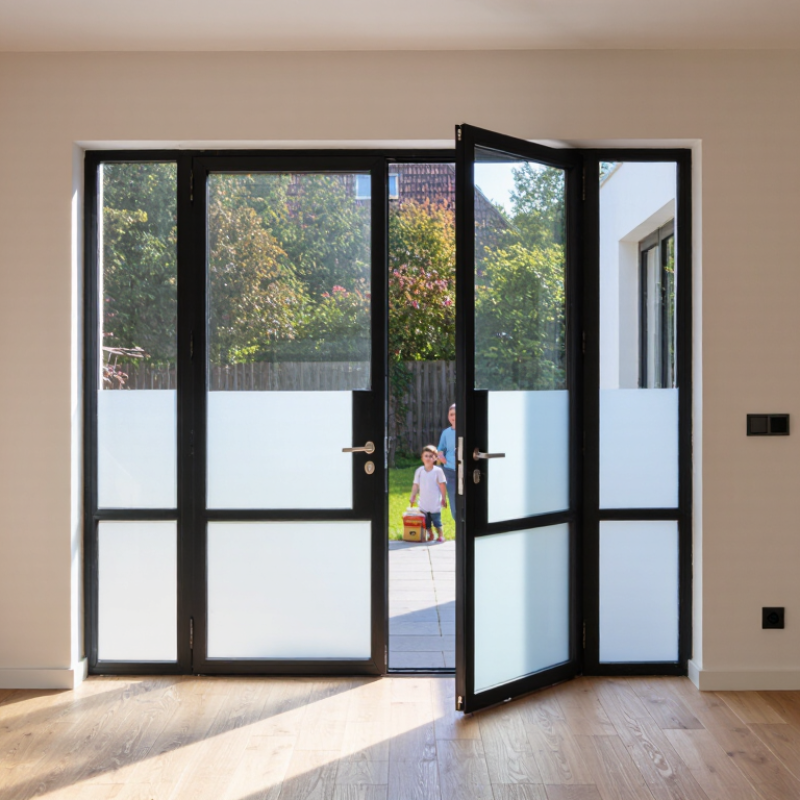
How to Choose a Double Glass Door for Your Home?

Understanding Double Glass Door Types and Their Features

How to Choose a Double Glass Door for Your Home?

Understanding Double Glass Door Types and Their Features

Double glass doors come in several practical styles. Hinged French doors open from the center and create a broad passage, but they need clear floor space for both panels. They suit patios and rooms with enough swing room. A narrow hallway can make them awkward. Sliding double doors move along a track, so they save space and frame outdoor views. Check that the track feels smooth and the panels close evenly; grit or poor alignment can become annoying over time.

Bifold doors fold to one or both sides, opening much of the wall. They can work well for wide openings, though their multiple panels and tracks need regular cleaning. For any style, ask whether the glass is double-glazed, meaning two panes separated by a sealed space. That space can reduce heat transfer and outside noise, but performance also depends on frame quality and installation. Low-emissivity coatings may help limit heat gain or loss.

Look closely at safety and everyday details. Tempered or laminated glass can reduce injury risk if damaged; confirm what suits the door’s location. Inspect the seals, threshold, handle height, and locking points. Feel the draft near the frame on a windy day, if possible. A door can look elegant in a showroom yet feel cumbersome at home. Measure the opening carefully, and consider who will use it daily.

Assessing Your Home’s Space, Layout, and Climate

Before choosing a double glass door, measure the clear opening, nearby furniture, and the full swing path. A floor plan can look generous until a chair blocks the handle. Measure twice. For sliding doors, check wall space, track clearance, and whether curtains will cover the glass. For hinged doors, note thresholds and walking routes, especially in narrow rooms.

Climate matters as much as layout. The U.S. Department of Energy’s Energy Saver guidance estimates that heat gain and loss through windows account for 25–30% of residential heating and cooling energy use. A glazed door can contribute to that exchange. Compare its National Fenestration Rating Council (NFRC) U-factor and solar heat gain coefficient, or SHGC. Lower U-factor generally means less heat transfer; SHGC helps indicate how much solar heat enters. In colder regions, retaining indoor warmth may matter most. In sunny, hot rooms, limiting solar gain can help reduce overheating. Orientation changes the answer. A west-facing door may receive strong afternoon sun.

Check local winter drafts, summer glare, and condensation before settling on a specification. Stand where the door will sit and observe sunlight at different hours; one quick visit may miss the worst heat. Drafts matter. A slightly awkward layout can still work, but only if the opening, operation, and climate performance suit daily use.

How to Choose a Double Glass Door for Your Home? - Assessing Your Home’s Space, Layout, and Climate

Door configuration Space and layout Climate considerations What to check Best suited for
Pair of hinged doors Needs clear floor space for the door leaves to swing. Check furniture placement and whether the doors open inward or outward. In cold or windy locations, quality perimeter weatherstripping and a secure meeting point between the leaves help limit drafts. Confirm the rough opening, handing, threshold detail, and how the inactive leaf is secured. Wide entrances where a traditional appearance and a broad opening are priorities.
Sliding glass doors Panels slide along a track, so they do not need swing clearance. Allow space beside the opening for the fixed and moving panels. Useful where wind exposure makes a swinging leaf inconvenient. Choose suitable seals and glazing for the local temperature range. Check track drainage, smooth operation, locking hardware, and whether the track creates a step at the threshold. Patios and compact rooms where preserving usable floor area matters.
French-style hinged doors Often used as a matched pair; both leaves require swing clearance unless one leaf is normally kept fixed. For sunny exposures, consider solar heat gain and glare. For cold climates, look for well-sealed frames and insulated glass units. Review the center meeting seal, multipoint locking options, and whether the frame suits the wall construction. Rooms opening to gardens, terraces, or balconies where a symmetrical look is desired.
Multi-panel or folding doors Can create a large opening, but the stacked panels need room at one or both sides and require a suitable structural opening. Large glazed areas can increase heat loss or solar gain; glazing and frame performance are especially important in extreme climates. Check panel stacking direction, track support, drainage, threshold accessibility, and the manufacturer’s tested performance data. Wide openings where indoor and outdoor areas are used together.
Any configuration with low-emissivity insulated glass Available in many door styles; select a frame and panel size that fit the opening without obstructing circulation. Low-emissivity coatings can reduce heat transfer. The appropriate coating and solar heat gain depend on climate, orientation, and shading. Compare the whole-unit U-factor and solar heat gain coefficient (SHGC), not just the glass description. Lower U-factor generally indicates better insulation. Homes seeking improved comfort and energy performance; choose ratings appropriate to local conditions.
Doors for coastal or storm-prone locations The opening and surrounding structure must accommodate the selected door and its required anchoring. Salt, wind, and wind-borne debris may require corrosion-resistant hardware and products tested for the applicable local hazards. Check local building requirements, impact or pressure ratings where applicable, frame anchoring, and maintenance needs. Exposed sites where durability and compliance with local codes are essential.

General guidance only: actual performance varies by the complete door assembly, installation, orientation, and local weather. Confirm measurements, energy ratings, safety-glazing requirements, and building-code requirements with a qualified installer or local authority.

Comparing Glass, Frame, and Energy-Efficiency Options

How to Choose a Double Glass Door for Your Home?

A double-glass door can bring daylight into a room while reducing heat transfer. Compare glass options by their coatings, gas-filled space, and low-emissivity layers, not just by appearance.

Clear glass keeps views open, while patterned or frosted glass adds privacy. Safety-treated glass can be a practical choice near busy walkways. Looks can deceive. A sample viewed in a showroom may appear different beside your own windows, so check it in natural light.

Tips: Compare frame corners and seals in person. Ask how the door’s energy rating was tested. Check that the locking hardware feels firm and easy to use. Measure the opening carefully. Small gaps matter.

Frame material also affects upkeep and insulation. Vinyl and fiberglass frames generally need little maintenance, while wood offers a warmer look but may need periodic care. Metal frames can be strong, yet thermal breaks help limit heat transfer. Energy performance depends on the whole door, including its glass, frame, weatherstripping, and installation. A high-rated door can still feel drafty if fitted poorly. There is no perfect option for every home; climate, sun exposure, and room use should guide the choice. For a west-facing entrance, ask how the glazing handles strong afternoon sun.

Checking Security, Privacy, and Building Requirements

A double glass door can brighten an entry, but check how it performs after dark. Look for a secure multi-point lock, reinforced frame, and laminated or tempered safety glass. Glass type alone does not guarantee resistance to forced entry. The U.S. Department of Energy’s Energy Saver guidance estimates that windows account for about 25–30% of household heating and cooling energy use. Doors with large glazed areas can also affect comfort, so compare the NFRC-rated U-factor and solar heat gain coefficient. Small details matter.

Privacy depends on the room and its sightlines. Stand outside at dusk and check whether furniture, hallways, or family activity are visible through the glass. Frosted or patterned glazing can soften views while admitting daylight; curtains or blinds offer more control. Before ordering, confirm local building requirements for safety glazing, door clearances, energy performance, and accessibility. The International Building Code and local amendments may set rules for glazing near doors, but requirements vary by location and project. Ask the building department or a qualified installer to verify them.

Tips: Bring measurements and photos of the opening to your consultation. Ask for the glass specification and NFRC label, not just a sales description. Test the lock with the door closed. One thing is easy to overlook: privacy films can look different at night, so inspect a sample in similar lighting before deciding.

How to Choose a Double Glass Door for Your Home

Indicative center-of-glass U-factors for common double-glazing options (W/m²·K). Lower U-factors indicate better insulation.

Typical values are approximate; actual performance depends on the glass, spacer, frame, and door design. Check the complete door’s certified rating and local energy requirements. For security and safety, confirm whether tempered or laminated safety glass is required, and choose privacy glass or an appropriate covering if needed.

Planning Installation, Maintenance, and Long-Term Costs

Choosing a double-glass door involves more than comparing frame prices. Measure the opening at several points, since older homes may have walls that are slightly out of square. Double-glazed panels can be heavy, so the frame and surrounding structure must support their weight. Ask an experienced installer to check clearances, access, and whether the existing frame can be reused. Measure twice.

Installation costs may include the door, hardware, labor, old-door removal, and repairs to surrounding trim. Get an itemized quote and confirm what happens if the opening needs adjustment. Check that the threshold sheds water and that the door seals evenly when closed. A low initial price can hide extra work. It is worth asking how the installation affects the existing sill and interior finish.

Maintenance is usually simple: clean the glass with a soft cloth, clear grit from the tracks, and check hinges and weather seals each season. Small details matter. Persistent fog between panes may indicate a failed sealed unit; surface condensation can have other causes, including indoor humidity. Budget for eventual seal or hardware repairs, and treat energy savings as an estimate, not a guarantee. I would compare long-term upkeep as carefully as the purchase price.

Optimized by Optimole