Why Choose the Right Loader Bucket Pins for Your Equipment?
Choosing the right Loader Bucket Pins is crucial for the performance of your equipment. These pins are small yet significant components that connect the bucket to the loader arm. The quality and design of these pins can greatly impact machine efficiency and longevity.
Many operators overlook the importance of proper loader bucket pins. They might choose low-cost options without considering the potential risks. Using inferior pins can lead to equipment failure and costly downtime. When pins wear out or break, it can compromise the entire system. Operators may feel frustrated when their productivity decreases due to such issues.
Understanding the precise requirements for loader bucket pins is essential. Selecting the correct size, material, and design ensures optimal function. Each piece plays a role in the loader's overall performance. Wouldn't it be better to invest in quality pins now than to face repairs later? Ultimately, careful selection leads to smoother operations and machine reliability.
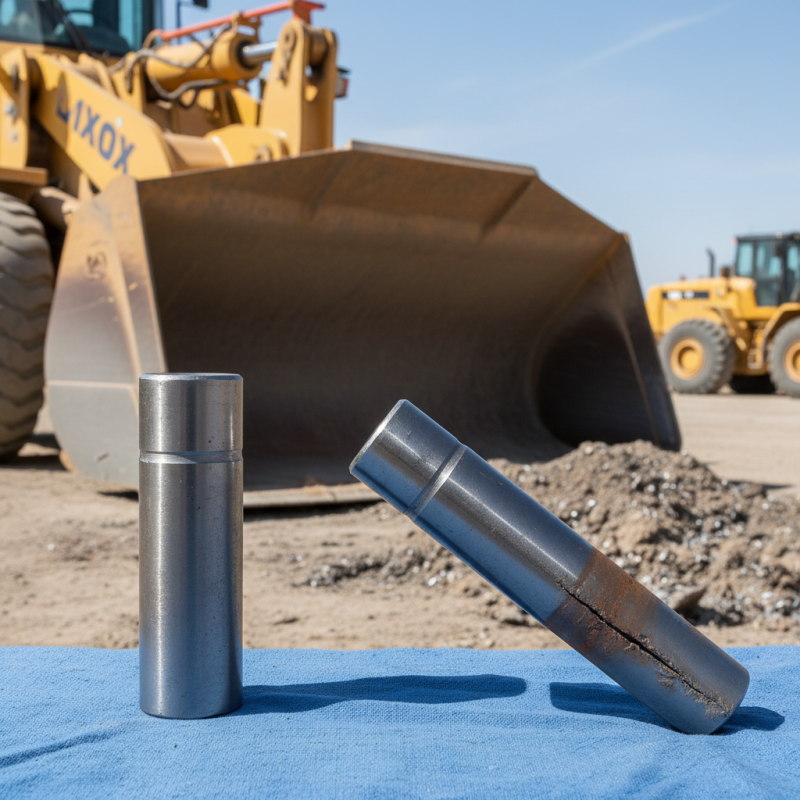
Understanding the Role of Loader Bucket Pins in Equipment Performance
Loader bucket pins play a crucial role in equipment performance. These pins are essential in connecting the bucket to the loader arm. Properly functioning pins ensure the efficient transfer of forces during operation. According to industry data, incorrect pin selection can reduce loader efficiency by up to 20%. This reduction significantly impacts productivity and operational costs.
The right pins can enhance the loader's durability and reduce wear and tear. Studies show that using heavy-duty pins can extend the lifespan of a loader by 15-30%. However, many operators overlook this aspect. They may choose pins based solely on price, neglecting quality and specifications. Such decisions can lead to frequent repairs and downtime.
Choosing high-quality pins is not just about initial cost; it's an investment. Operators must consider load capacity and material compatibility. Some pins may corrode faster in certain environments. Understanding these factors is essential. Regular maintenance and inspections are also vital to ensure that all components function correctly. Taking these steps will help avoid costly mistakes in the long run.
Types of Loader Bucket Pins: Materials and Designs Explained
When it comes to loader bucket pins, material choice is crucial. Various materials provide different strengths and durability. Steel pins are common for their robust nature, but they can corrode over time. Using stainless steel can mitigate rust issues but may not offer the same wear resistance. Additionally, composite materials are emerging, appealing due to their lightweight properties. These can reduce machine strain and increase efficiency.
Design also plays a vital role. Pins come in many shapes, such as cylindrical or tapered. A tapered design can help improve the fit, reducing wear on both the pin and the bucket. Conversely, cylindrical pins offer ease of installation but may need frequent replacements. It’s essential to consider the specific use case of your equipment. Are you operating in harsh conditions? Then, wear-resistant designs may be necessary.
Reflecting on past experiences shows that a mismatch in pin design can lead to equipment failure. Choosing an inappropriate pin may seem trivial, but it can result in significant downtime. Evaluating your loader's requirements thoroughly will help ensure better performance. Consider all elements—material, design, and usage conditions—when selecting pins for optimal results.
Factors to Consider When Choosing Loader Bucket Pins
When selecting loader bucket pins, several factors play a crucial role in ensuring optimal performance. Material quality matters significantly. High-strength steel or alloy materials will offer better durability, even under extreme conditions. Choosing the right specifications, such as thickness and size, also affects installation and maintenance. Pins that do not fit properly may lead to inefficiencies.
Another important aspect is the pin design. Some pins come with additional features like grease fittings. These features can simplify maintenance and reduce wear. However, it's essential to find a balance—overly complex designs might increase failure risks. Environmental conditions can also influence pin selection. For instance, working in wet or muddy conditions may necessitate better sealing systems to prevent corrosion.
Don’t forget about compatibility with your equipment. Mismatched pins can cause mechanical issues and damage. Additionally, consider the cost versus value. While cheaper options can save money upfront, they may wear out faster, leading to higher long-term costs. Investing in the right loader bucket pins can significantly enhance efficiency and extend the lifespan of your equipment.
The Impact of Quality Loader Bucket Pins on Equipment Longevity
Choosing the right loader bucket pins significantly impacts your equipment’s longevity. Quality pins are essential for maximizing performance. According to industry research, using substandard pins can lead to a 30% increase in wear on loader components. This wear results in more frequent repairs, which are costly and time-consuming.
Loader bucket pins construct a vital connection between the bucket and the loader arms. When these pins wear down, they can cause misalignment. Misalignment not only affects the bucket's effectiveness but can also lead to premature wear on surrounding components. Studies have shown that equipment maintenance costs can increase by as much as 15% due to using inferior pins.
It's crucial to recognize the need for regular inspections and replacements. Many operators overlook this aspect. Even high-quality pins can degrade under heavy use. Adopting a proactive maintenance strategy may prevent unexpected downtime. Keeping a close eye on loader pins ensures smoother operations and extends overall equipment lifespan. Quality pins ultimately safeguard your investment.
Impact of Loader Bucket Pins Quality on Equipment Longevity
Maintenance Tips for Extending the Life of Loader Bucket Pins
Loader bucket pins are critical components in heavy machinery. They endure significant stress and wear during operation. To ensure their longevity, regular maintenance is essential. Operators must inspect these pins frequently for signs of wear or damage. A small crack can lead to bigger problems.
Lubrication is another key practice. Keeping the pins lubricated helps to reduce friction and wear. Use a suitable lubricant to maintain smooth movement. Check the manufacturer’s recommendations for the right type. Be mindful that neglecting this can result in increased wear.
Cleaning your loader bucket pins is vital. Dirt and debris can cause premature failure. After each workday, take a moment to clear any obstructions. This simple act can save time and money in repairs. Reflect on your maintenance routine regularly. Look for areas where improvement is needed.
Why Choose the Right Loader Bucket Pins for Your Equipment? - Maintenance Tips for Extending the Life of Loader Bucket Pins
| Maintenance Tip | Description | Frequency | Expected Life Extension |
| Regular Inspection | Check for wear and tear, cracks, and proper alignment. | Monthly | 6 months |
| Lubrication | Ensure all moving parts are well lubricated to prevent friction damage. | Every 50 hours of operation | 1 year |
| Bolt Tightness Check | Ensure all bolts are tight to prevent pins from becoming loose. | Every 100 hours of operation | 1 year |
| Proper Use of Equipment | Follow manufacturer’s guidelines for load limits and operation speeds. | Always | Multiple years |
| Replacement Schedule | Replace bucket pins according to recommended intervals. | Annually | Up to 2 years |