Why Choose Pulse-DC System for Your Power Supply Needs?
In the ever-evolving landscape of power supply technology, the Pulse-DC System stands out as a significant advancement. Dr. Emily Carter, a renowned expert in electrical engineering, emphasizes its advantages: "The Pulse-DC System optimizes efficiency and reduces energy waste." This statement encapsulates the core reasons why industries are increasingly gravitating towards this innovative solution.
Power supply systems play a crucial role in various applications. The Pulse-DC System delivers a more stable output compared to traditional methods. This stability is essential for sensitive equipment that demands precise voltage levels. Moreover, it enhances longevity and reduces maintenance costs. However, not all users maximize its potential. Some still operate with outdated practices.
Understanding the benefits of the Pulse-DC System is vital. It not only serves as a sustainable option but also aligns with modern energy efficiency standards. Yet, its implementation requires careful consideration and expertise. Selecting the right system can be complex, but the rewards are significant. Embracing the Pulse-DC System can be a game-changer for your power supply needs.
What is a Pulse-DC System and How Does It Work?
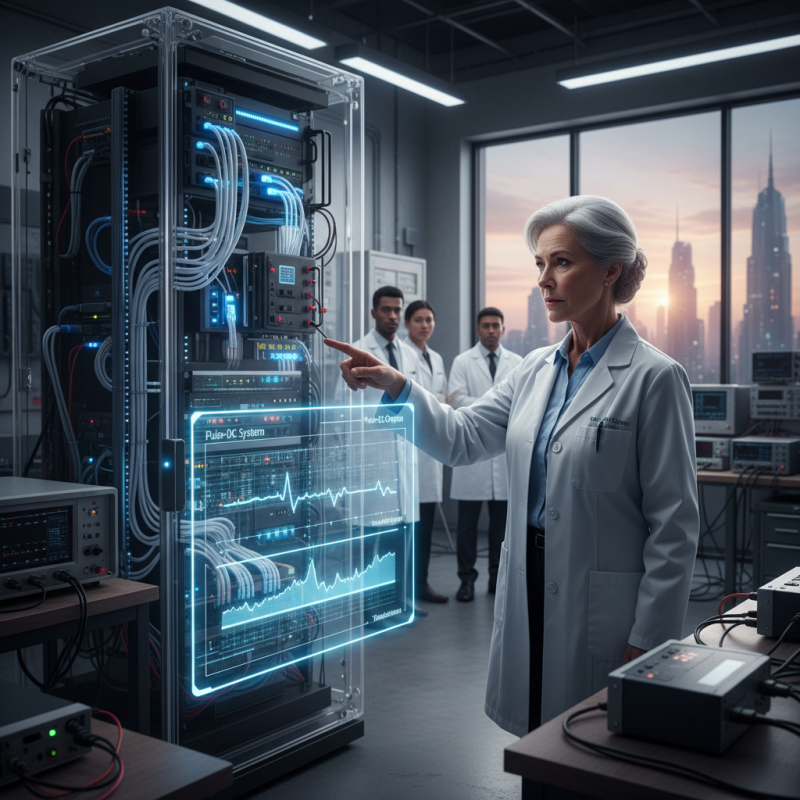
A Pulse-DC system is an advanced technology that modulates direct current in pulses. This method enhances the efficiency of power conversion. By using rapid switching techniques, Pulse-DC systems can minimize energy loss during the process. This is particularly beneficial in industrial settings where energy efficiency is paramount.
Research from industry reports indicates that systems implementing Pulse-DC technology can achieve energy savings of up to 30%. This performance improvement is crucial given the rising costs of energy. Many facilities report significant reductions in operational costs due to this enhanced efficiency. The technology also contributes to improved thermal management, as the lower dissipated heat prolongs the lifespan of electrical components.
However, using a Pulse-DC system requires careful consideration. Calibration and implementation can be complex. Some users may encounter challenges related to compatibility with existing infrastructure. Regular maintenance is essential to ensure optimal operation. Despite these hurdles, the advantages in performance and sustainability often outweigh the drawbacks.
Why Choose Pulse-DC System for Your Power Supply Needs?
| Feature | Description | Benefits |
| Efficiency | Pulse-DC systems convert electrical energy with minimal loss. | Reduces energy costs and enhances operational efficiency. |
| Compact Design | Smaller footprint compared to traditional power supplies. | Saves space in installations and equipment layouts. |
| Versatility | Can be utilized in various applications, from industrial to consumer electronics. | Adapts to different requirements and settings. |
| Real-time Monitoring | Integrated systems for tracking performance metrics. | Ensures reliability and aids in maintenance efforts. |
| Low Electromagnetic Interference | Designed to minimize EMI issues commonly found in power systems. | Enhances performance in sensitive electronic applications. |
Key Advantages of Using Pulse-DC Systems for Power Supply
When considering power supply solutions, Pulse-DC systems stand out for several reasons. They deliver energy efficiently with reduced power losses. This is particularly important in applications needing reliable performance. For example, in industrial automation, consistent power ensures machine uptime. Uninterrupted power helps avoid production delays.
Pulse-DC systems also offer flexibility. They can be easily integrated into existing setups. This makes them attractive for businesses looking to upgrade without major overhauls. Managing the transition can be challenging, though. Proper planning is essential to minimize disruption during installation.
Moreover, the reliability of Pulse-DC systems cannot be overlooked. They are designed for durability, often withstanding harsh environmental conditions. This resilience is key in sectors such as telecommunications and medical devices. Yet, users must remain vigilant about maintenance. Neglecting routine checks can lead to unforeseen issues.
Comparing Pulse-DC Systems with Traditional Power Supply Solutions
Pulse-DC systems offer significant advantages over traditional power supply solutions. Unlike linear power supplies, which often waste energy in the form of heat, Pulse-DC systems operate more efficiently. They minimize energy losses and tend to have a longer lifespan, making them a cost-effective choice. According to a recent industry report, organizations using Pulse-DC technology can see energy savings of up to 30%. This efficiency is crucial in a world increasingly focused on sustainability.
Moreover, Pulse-DC systems provide precise control over voltage and current. This precision is vital for sensitive applications, such as medical devices and high-performance electronics. Traditional systems may struggle to maintain stability under varying loads. In contrast, Pulse-DC guarantees reliable output, enhancing device performance and longevity. Data indicates that systems equipped with Pulse-DC technology experience fewer power-related failures, reducing maintenance costs.
Tip: When selecting a power supply, consider your application’s specific needs. Assess compatibility with existing systems and future growth potential. Look for published metrics on efficiency and reliability to make an informed decision. A reliable power supply is crucial for optimal device functionality and longevity.
Applications and Industries Benefiting from Pulse-DC Technology
Pulse-DC technology is transformative across various industries. Its applications are broad, impacting sectors such as telecommunications, healthcare, and renewable energy. In telecommunications, Pulse-DC systems provide efficient power delivery for base stations and data centers. These systems enhance reliability and reduce downtime, crucial for maintaining seamless communication.
In healthcare, medical equipment relies on precise power supply. Pulse-DC systems ensure consistent performance in devices like MRI machines and diagnostic tools. The stability offered by these systems is vital for patient safety and accurate diagnostics. Despite these advancements, challenges persist. The integration of newer technology can sometimes lead to compatibility issues with existing systems.
Renewable energy sectors, particularly solar and wind, also benefit. Pulse-DC systems optimize energy conversion and storage, improving efficiency. However, users must address fluctuating energy inputs and outputs. Mismanagement can lead to system inefficiencies, highlighting the importance of ongoing training and development. Ultimately, while Pulse-DC technology offers numerous advantages, continuous evaluation and adaptation are necessary for success in diverse industries.
Power Supply Applications Benefiting from Pulse-DC Technology
Future Trends and Innovations in Pulse-DC Power Supply Systems
In recent years, Pulse-DC power supply systems have gained traction due to their efficiency and versatility. They are becoming essential in various applications, from industrial machinery to consumer electronics. Trends indicate a growing focus on smart technology integration. This integration allows real-time monitoring and control, enhancing system performance and reliability.
As industries evolve, innovation in Pulse-DC systems is emerging. Enhanced design methods focus on energy efficiency. Notably, design improvements reduce heat generation, leading to longer device lifespans. With advancements in materials, we expect more lightweight and compact options. These innovations may drive down costs while maintaining high standards.
Tips: Consider your specific power requirements before choosing a system. Conduct thorough evaluations of your energy consumption patterns. Adapting to smart Pulse-DC solutions can position your operations favorably. Staying informed about future trends can enhance decision-making and prevent obsolescence. Balancing technology with user needs is essential for meaningful upgrades.