Why Choose Metallic Powder Coat for Your Next Project?
When considering a finish for your next project, "Metallic Powder Coat" stands out as an exceptional choice. This coating offers not just a visually striking look but also a robust layer of protection. Its shimmering surface elevates the aesthetic appeal of various items, from furniture to automotive parts.
The process of applying Metallic Powder Coat is both meticulous and rewarding. Experienced professionals know that proper application ensures durability and longevity. Still, achieving the perfect sheen requires practice and attention to detail. There can be pitfalls, like uneven coverage or improper curing, which can tarnish the final result.
Choosing Metallic Powder Coat means embracing a blend of beauty and practicality. It's essential to weigh benefits against potential challenges. Those who have used this finish often highlight its resilience and versatility. Yet, some may find that maintenance can be a concern. Every project presents unique demands, and reflection on those needs is crucial. Ultimately, the right choice can significantly impact your project’s success.
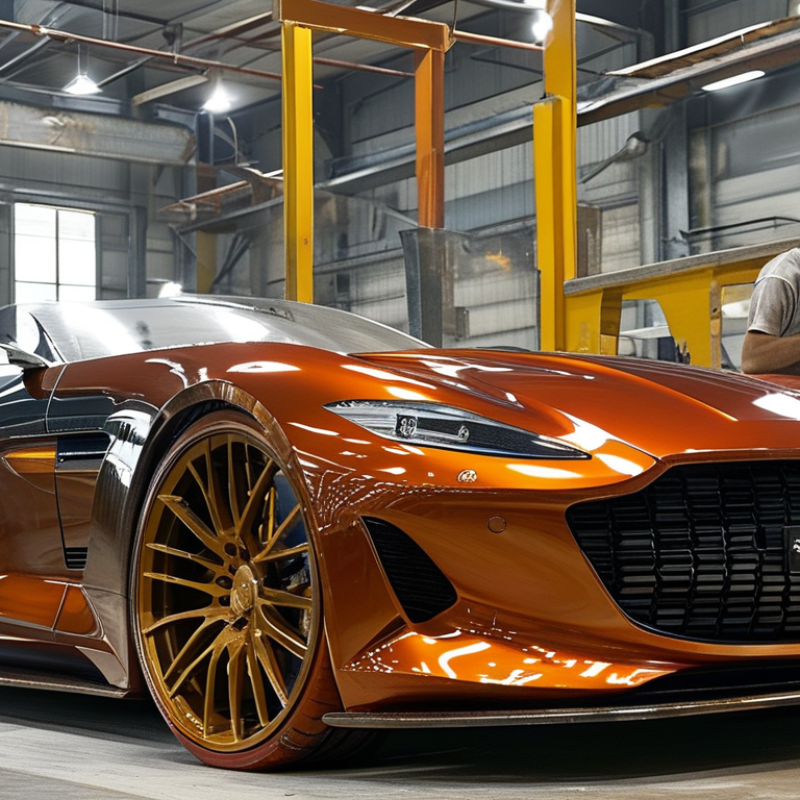
Advantages of Metallic Powder Coat in Various Industries
Metallic powder coating has emerged as a preferred choice in various industries due to its unique advantages. Its vibrant finish not only enhances aesthetics but also improves durability. A study from the Powder Coating Institute notes that powder coatings are 30% thicker than traditional liquids, providing better wear and corrosion resistance. This durability is essential in sectors like automotive and aerospace, where performance is crucial.
In the architectural sector, metallic powder coats offer a wide range of colors and textures. This versatility allows for creative freedom in design, making buildings not only functional but also visually appealing. Moreover, according to a report by the Coating Research Group, the demand for metallic finishes in construction has increased by 15% over the past three years. This trend reflects growing consumer preferences for sustainable and long-lasting products.
Tip: Always test a small section before full application. This helps identify any compatibility issues with the substrate.
Another benefit is their eco-friendliness. Many metallic powders are low in volatile organic compounds (VOCs), aiding in compliance with environmental regulations. While they do present challenges in terms of application techniques, understanding the properties can mitigate these issues.
Tip: Consider proper surface preparation. A well-prepared surface can significantly enhance adhesion and finish quality.
Comparison of Metallic Powder Coat with Other Finishing Methods
Metallic powder coating stands out in the finishing world, often preferred for its unique appearance. When compared to traditional methods like liquid paint or anodizing, it provides a distinct advantage. Liquid paint can chip easily, while metallic powder coats maintain their sheen and resist scratches better. Anodizing offers protection but lacks the vibrant finish metallic coatings provide.
Tips: Always ensure your surface is clean before applying a powder coat. Any residue could affect adhesion.
The application process of metallic powder coating is efficient. It involves electrostatically charging powder, allowing it to cling to the surface before curing. This method minimizes waste, a strong advantage compared to liquid paints. However, it requires careful control of the environment to prevent contamination.
Tips: Test your desired color on a small area first. This will help you visualize the final look.
Metallic powder coatings can be more durable than both paints and anodized finishes. However, they may show dust and fingerprints more readily. This specific aspect requires reflection on your maintenance plans. Consider your project's end-use. Would you prefer a stunning look that necessitates regular touch-ups?
Comparison of Finishing Methods
This chart compares the durability, cost, application ease, and finish quality of Metallic Powder Coat against other popular finishing methods such as Liquid Paint and Anodizing.
Durability and Longevity of Metallic Powder Coatings
Metallic powder coatings offer remarkable durability and longevity for various projects. These coatings are resistant to chipping, scratching, and fading, making them suitable for both indoor and outdoor applications. According to industry reports, metallic finishes can extend the lifespan of coated surfaces by up to 20 years under typical conditions.
One key aspect of their durability lies in the superior chemical and corrosion resistance. Metallic powders are often made from thermoset materials, which cure to form a tough, protective layer. This characteristic allows them to withstand exposure to harsh environmental elements, including sunlight, moisture, and chemicals. A recent study highlighted that metallic coatings can retain their decorative finish and protective qualities for significantly longer periods compared to traditional paint.
Moreover, while metallic powder coatings shine with visual appeal, there is a caveat. Some processes may lead to uneven application. This inconsistency can detract from the finish quality, emphasizing the importance of skilled application techniques. Therefore, when considering metallic powder coats, it's essential to balance aesthetics with the associated challenges. Handling these materials requires expertise, especially to maximize their potential lifespan.
Application Techniques for Achieving Optimal Metallic Finish
When applying metallic powder coat, several techniques can achieve an optimal finish. Start with surface preparation. Clean the metal surface thoroughly to remove any grease or contaminants. This step is crucial. A clean surface ensures better adhesion. If you skip this, the coating may peel over time.
Applying the powder coat requires precision. Use an electrostatic spray gun for an even application. The gun charges the powder, allowing it to stick to the metal. Hold the gun at a consistent distance. Too far can lead to uneven coats, and too close can cause drips. It's a delicate balance, and practice often reveals small flaws to improve upon.
Curing the coated piece is equally important. Follow the manufacturer's specifications for time and temperature. Over-curing can lead to brittleness, while under-curing can affect durability. Monitor the first few projects closely to identify any signs of imperfection. Each project can differ, and adjustments may be needed based on environmental conditions.
Environmental Impact and Sustainability of Powder Coating Processes
When considering the environmental impact of various finishes, metallic powder coating stands out. This process produces minimal volatile organic compounds (VOCs). According to a report by the Powder Coating Institute, powder coating generates about 3-5% VOC emissions compared to over 50% for traditional liquid coatings. This significantly reduces air pollution.
Tip: Ensure you choose a local manufacturer who uses eco-friendly practices. This helps support sustainability in your community.
The sustainability of powder coating is further enhanced by its recyclability. Surplus powder can be reclaimed and reused. Research indicates that more than 98% of the powder can be recycled, making it an efficient choice. However, not all facilities optimize this recycling process. Some may experience wastage, which could undermine their eco-friendly claims.
Tip: Investigate the recycling methods used by your powder coating provider. Transparency in operations is crucial for making responsible choices.
Additionally, the durability of powder coatings contributes to sustainability. They resist chipping, fading, and corrosion. This longevity means fewer resources are needed for repairs or replacements. However, the environmental impact of production processes still warrants examination. While many facilities strive for eco-conscious methods, there is always room for improvement.
Why Choose Metallic Powder Coat for Your Next Project? - Environmental Impact and Sustainability of Powder Coating Processes
| Aspect | Metallic Powder Coat | Traditional Liquid Coating |
| Environmental Impact | Lower VOC emissions, recyclable materials | Higher VOC emissions, limited recyclability |
| Durability | Highly resistant to chipping, scratching, and fading | Less resistant to wear and tear |
| Application Process | Electrostatic application, minimal overspray | Spray application, higher overspray waste |
| Curing Process | Uses heat to cure, efficient energy usage | Air-dry or heat cure, generally longer curing time |
| Finish Quality | Even, glossy finish with vibrant colors | Varied finish quality, potential uneven application |