Why Choose Electric Cargo Vehicles for Sustainable Shipping?
As the world shifts towards sustainable practices, Electric Cargo Vehicles (ECVs) emerge as a vital solution in shipping. Leading expert Dr. Emily Carter states, "Electric Cargo Vehicles not only reduce emissions but also enhance operational efficiency." This insight underscores the growing importance of ECVs in achieving environmental goals.
One of the most significant advantages of Electric Cargo Vehicles is their reduced carbon footprint. Unlike traditional diesel trucks, ECVs utilize energy-efficient technology. This not only helps the environment but can also lower operational costs over time. However, the transition to ECVs comes with challenges, including the need for charging infrastructure and initial investment costs.
Additionally, ECVs may not meet all shipping needs immediately. Performance under heavy loads and long distances still requires further development. Nonetheless, the ongoing innovation in the Electric Cargo Vehicle sector holds promise. As businesses prioritize sustainability, adapting to ECVs presents both challenges and opportunities. Embracing this change may reflect positively on a company’s commitment to a greener future.
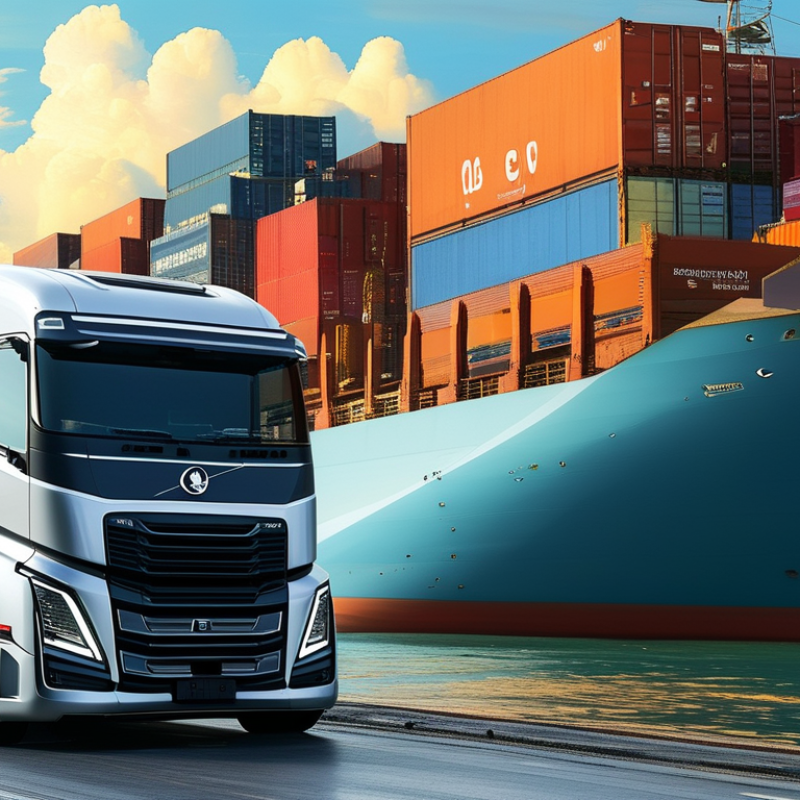
Benefits of Electric Cargo Vehicles in Reducing Carbon Emissions
Electric cargo vehicles are becoming vital in the push for sustainable shipping. Their ability to significantly reduce carbon emissions is a key benefit. According to a report from the International Council on Clean Transportation (ICCT), electric trucks can cut greenhouse gas emissions by up to 70% compared to diesel vehicles. This dramatic reduction is crucial for reaching global climate targets.
Furthermore, the U.S. Environmental Protection Agency (EPA) indicates that the transportation sector is one of the largest sources of carbon emissions. With electric cargo vehicles, logistics companies have a real chance to lower their environmental impact. However, challenges remain. Charging infrastructure is not universally accessible, and initial costs can be high. Many companies hesitate to transition fully without ensuring infrastructure viability.
Real-world applications showcase both promise and pitfalls. In cities like London, electric delivery vans have reduced urban air pollution. But, the necessity for robust charging networks cannot be ignored. Innovations are ongoing, but the journey to widespread adoption is still fraught with hurdles. Balancing environmental benefits with practical limitations is essential for the future of electric logistics.
Why Choose Electric Cargo Vehicles for Sustainable Shipping?
| Benefit | Description | Impact on Carbon Emissions (%) | Long-term Cost Savings ($) |
| Reduced Emissions | Electric cargo vehicles produce zero tailpipe emissions, significantly reducing air pollution. | 90% | $5,000 annually |
| Lower Operating Costs | Electric vehicles typically have lower maintenance and fuel costs compared to diesel trucks. | N/A | $15,000 over 10 years |
| Noise Reduction | Electric cargo vehicles are quieter than traditional combustion engines, reducing noise pollution in urban areas. | N/A | N/A |
| Incentives and Tax Breaks | Many governments offer incentives for electric vehicle adoption, helping offset initial purchase costs. | N/A | Up to $7,500 |
| Corporate Responsibility | Using electric cargo vehicles enhances company reputation and fulfills sustainability goals. | N/A | N/A |
Comparison of Electric Cargo Vehicles and Traditional Diesel Trucks
Electric cargo vehicles are gaining traction in the shipping industry. They stand out when compared to traditional diesel trucks. Their lower emissions contribute significantly to reducing air pollution. This is vital for urban areas struggling with smog and health issues. Electric vehicles also produce less noise, which enhances the quality of life for communities.
The operational costs of electric cargo vehicles can be lower over time. Maintenance is often simpler due to fewer moving parts. However, the initial purchase price remains high, challenging some businesses. Charging infrastructure can be lacking in some regions, which adds to the complexity. Companies must consider range limitations as well. These factors warrant careful evaluation.
Moreover, electric cargo vehicles reflect a shift in consumer expectations. Many customers prioritize sustainability now. This necessitates an adjustment for traditional truck operators. They need to adapt to new market demands. Resistance to change may hinder progress in some sectors. Ultimately, the transition to electric vehicles requires both commitment and innovation from all stakeholders involved.
Cost Analysis: Long-Term Savings with Electric Cargo Vehicles
Electric cargo vehicles are becoming a popular choice for sustainable shipping. The long-term savings associated with these vehicles are noteworthy. Initially, electric vehicles may have a higher upfront cost. However, operational savings can greatly offset this expense over time.
For instance, electric cargo vehicles require less maintenance than traditional gas-powered trucks. They have fewer moving parts and do not need oil changes. This leads to lower repair costs and reduced downtime. Energy costs for charging are generally cheaper than fueling up with diesel. Companies can save significantly on fuel bills, especially with rising fuel prices.
However, transitioning to electric also has challenges. Infrastructure for charging still needs expansion. Some companies may struggle to adapt to new technology. Realizing these potential savings requires planning and investment in charging stations. While the advantages are clear, the initial hurdles can make some hesitant to switch.
Infrastructure Challenges and Solutions for Electric Vehicle Adoption
Electric vehicles are gaining traction in the shipping industry. However, infrastructure challenges must be addressed. The transition to electric cargo vehicles requires robust charging networks. Currently, many areas lack sufficient charging stations. This limits the range and feasibility of electric trucks.
Furthermore, power grid capacity often falls short. As electric vehicles become more prevalent, demand for electricity will increase. Upgrading infrastructure can be a daunting task, often met with bureaucratic delays. Local governments need to collaborate with energy providers. They must develop plans to enhance the grid's capacity.
There is also the issue of charging speed. Fast-charging solutions are essential for time-sensitive deliveries. Yet, many rapid charging stations are not widely available. This adds to the logistical challenges. Businesses must weigh the benefits of electric cargo vehicles against these hurdles. Testing innovative solutions could lead to a more sustainable shipping future.
Market Trends and Growth Projections for Electric Cargo Shipping Solutions
Electric cargo vehicles are making waves in the shipping industry. With the world focusing on sustainability, these vehicles are gaining attention. The trend toward electric solutions reflects a growing demand for environmentally friendly practices. More companies are investing in electric cargo fleets. This shift boosts efficiency while reducing emissions.
Market projections highlight rapid growth for electric cargo shipping. Analysts predict a significant rise in adoption over the next decade. As production costs decrease, more businesses will embrace these technologies. The move aligns with global sustainability goals. Yet, many companies still hesitate. Some worry about charging infrastructure and range limitations. These concerns require honest reflection from stakeholders.
Tips for businesses considering this transition include understanding local regulations. It’s crucial to assess the suitability of electric vehicles for your needs. Investing in employee training on electric technology is vital. This ensures smooth integration into existing logistics. The journey to sustainable shipping has challenges, but electric cargo vehicles present a promising path forward.