Why Choose a Dry High Intensity Magnetic Separator for Your Needs?
When it comes to mineral processing and separation, a Dry High Intensity Magnetic Separator (DHIMS) stands out. These machines are designed for efficient separation of minerals from one another. They utilize powerful magnetic fields to attract ferrous materials while rejecting non-magnetic elements. This feature makes them invaluable in various industries.
Investing in a DHIMS can lead to considerable benefits. For instance, they require less water than traditional methods. This aspect not only conserves water but also lowers operational costs. Additionally, their compact design allows for easier integration into existing processing systems. However, choosing the right separator can be challenging. Understanding your specific needs is crucial for optimal performance.
In a market filled with options, not every separator meets high standards. Some may fail to provide consistent results or durable operation. Seeking advice from experts is essential. Their knowledge about the latest advancements and best applications of DHIMS can help businesses make informed decisions.
What is a Dry High Intensity Magnetic Separator?
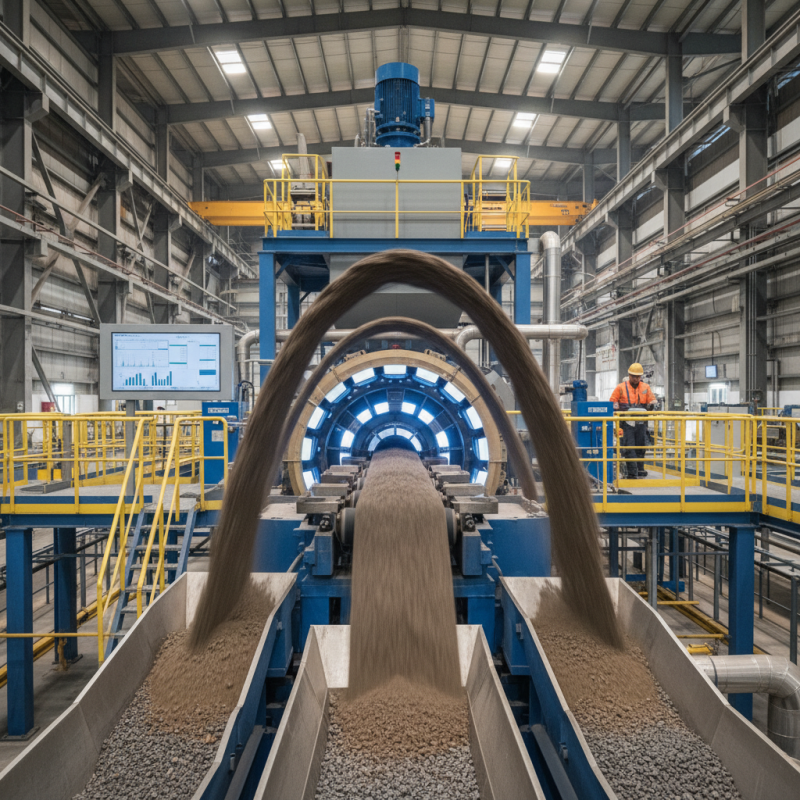
A dry high intensity magnetic separator (DHIMS) is a critical tool in the mining and mineral processing industries. It is designed to optimize the recovery of valuable minerals from ores. Unlike traditional wet magnetic separators, DHIMS operates without water. This feature helps in processing dry materials, making it ideal for places where water resources are scarce.
The separator uses a powerful magnetic field to attract magnetic particles. These particles can include iron and other important minerals. The design is typically simple yet effective, allowing for easy integration into existing processes. Operators often note that the separator can significantly enhance the efficiency of mineral extraction. However, the dust and particulates generated during operation can pose challenges. Proper ventilation and containment measures are essential to maintain safety and equipment reliability.
Choosing a dry high intensity magnetic separator also requires careful consideration of its performance characteristics. Not all separators are built the same. Variations in intensity and field configuration can lead to differing results. Users need to assess their specific needs. They should also be prepared to make adjustments as they gain experience with the equipment. Testing and fine-tuning the setup can lead to improved outcomes over time. This reflection on operational efficiency is vital for achieving the best results.
Dry High Intensity Magnetic Separator Performance Comparison
This chart illustrates the efficiency of various materials processed by a Dry High Intensity Magnetic Separator. The values represent the separation efficiency percentage for different materials.
Key Advantages of Using a Dry High Intensity Magnetic Separator
Dry high intensity magnetic separators are essential for various industries. They effectively remove impurities and enhance product purity. One significant advantage is their ability to work without water. This feature conserves resources and reduces operational costs. Additionally, dry processing minimizes the risk of contamination, making it ideal for sensitive materials.
Another key benefit is their superior magnetic strength. They can efficiently separate even weakly magnetic materials. This capability is vital in industries like minerals processing and metal recycling. The high intensity ensures a thorough separation, leading to higher-quality end products. Moreover, these separators require little maintenance, contributing to lower downtime in operations. However, users must regularly check and clean the equipment to maintain optimal performance.
Flexibility is another important aspect of dry high intensity magnetic separators. They can be customized for specific applications and materials. This adaptability makes them suitable for diverse industries, from food production to mining. Still, selecting the right model can be challenging, and it’s beneficial to consult with experts to ensure the best choice.
Applications of Dry High Intensity Magnetic Separators in Industry
Dry High Intensity Magnetic Separators (DHIMS) play a vital role across various industries. Their primary function is to separate magnetic materials from non-magnetic ones in dry applications. This technology is crucial in sectors like mining, recycling, and food processing. For mining, it effectively removes iron contaminants and enhances the purity of minerals. In recycling, it helps retrieve valuable metals from waste, ensuring efficient resource recovery.
**Tip:** Regular maintenance of DHIMS maximizes performance. Ensure routine checks to prevent unexpected breakdowns.
In food processing, DHIMS is used to enhance product safety. It eliminates metal fragments from food products, providing a safeguard against contamination. This step is crucial in maintaining quality standards. Many industries rely on this technology, but not all understand its full potential. Some users may overlook the importance of proper settings and adjustments, leading to suboptimal separation efficiency.
**Tip:** Always calibrate your equipment for specific materials. This can significantly improve separation rates.
Choosing the right DHIMS involves understanding the materials being processed. Many factors influence the selection, like particle size and magnetic susceptibility. It’s essential to consider these aspects to achieve the best results. However, trial and error can lead to frustrations if not managed properly. A thorough analysis prior to implementation often proves beneficial in the long run.
Factors to Consider When Choosing a Magnetic Separator
When selecting a magnetic separator, several key factors come into play. Performance metrics are critical. A dry high-intensity magnetic separator offers superior separation efficiency, especially in dry materials. According to industry reports, separators achieve over 90% recovery rates with the right materials, an impressive feat. However, knowing the specific application is essential. Different materials react differently to magnetic fields, impacting performance.
Consider the feed size and moisture content of your material. For instance, materials with higher moisture may require adjustments. A separator designed for dry applications might not perform well in wet settings. Furthermore, installation space and maintenance requirements are worth analyzing. Industry data suggest that poorly maintained equipment can lead to a 20% drop in efficiency. Regular checks and cleaning are necessary to maintain optimal performance.
Lastly, energy consumption is increasingly relevant. Modern separators should be energy-efficient to minimize operational costs while meeting production goals. Reports indicate that top separators can save up to 15% in energy consumption compared to older models. Weigh all these factors carefully to ensure the right choice for your needs. Adjustments may be necessary as conditions change, underscoring the importance of continuous evaluation.
Maintenance and Operating Tips for Optimal Performance
When using a dry high intensity magnetic separator, maintenance is crucial for optimal performance. Regularly check the magnetic field's strength. Weak magnetic fields can lead to inefficient separation. Testing the strength should be part of your routine. Insufficient field strength can impact productivity significantly.
Operating the separator requires attention to detail. Ensure the feed rate is consistent. Fluctuations in feed can cause uneven separation. Monitor the vibration levels, too. Excessive vibration might indicate wear or misalignment. These issues can lead to costly repairs if neglected.
Stay informed about wear components. Regular inspections can identify problems before they escalate. Keeping a log of maintenance activities will help in making informed decisions. It’s a simple practice but can save time and resources in the long run. Make adjustments based on the performance data you gather. This proactive approach can enhance the lifespan of your equipment and maintain efficiency.