How to Choose the Best Zircon Mullite Brick for Your Needs?
When selecting the best zircon mullite brick for specific applications, consider both performance and longevity. Zircon mullite bricks are known for their excellent thermal stability and resistance to corrosion. Industry reports indicate significant demand growth, particularly in refractory applications where durability is crucial. For example, the global zircon market is projected to reach $1.1 billion by 2027, indicating a robust interest in high-performance materials.
Quality differs among manufacturers. Not all zircon mullite bricks deliver the same thermal properties or mechanical strength. Research shows that well-sourced bricks can enhance furnace efficiency, but inferior products could lead to frequent repairs. This highlights the need for thoughtful consideration when choosing materials.
Consult with specialists who understand your specific requirements. Their insights can guide you in selecting the ideal zircon mullite brick for your needs. Understand that making an informed choice is vital, as the right material impacts both operational costs and overall productivity. Quality assurance processes and technical specifications should be key factors in your decision-making.
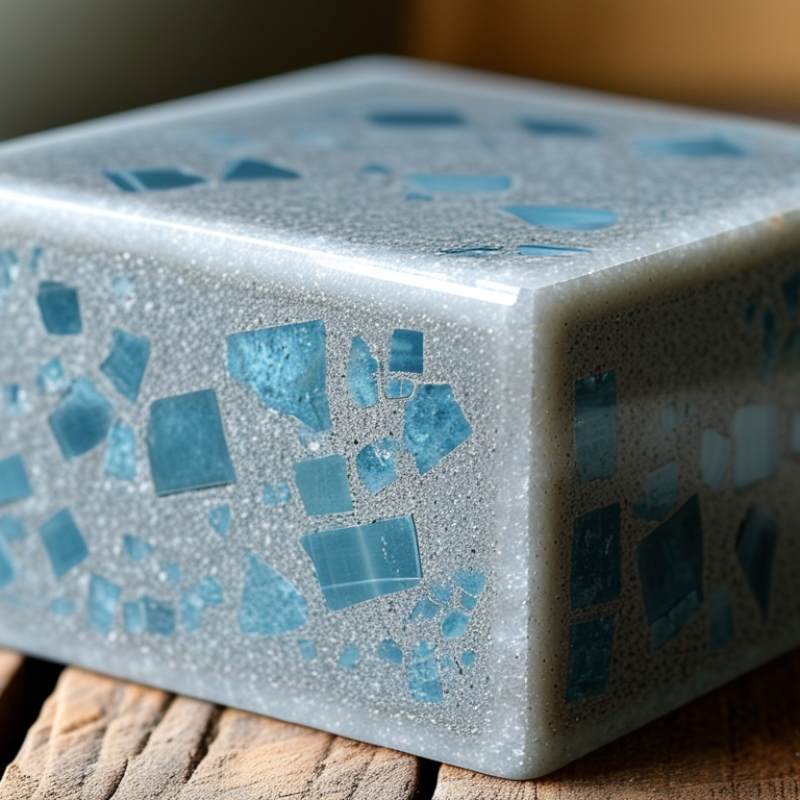
Understanding Zircon Mullite Brick and Its Applications
Zircon mullite bricks are crucial in high-temperature applications. They are composed mainly of zirconia and mullite, which enhances their thermal stability and mechanical strength. These bricks withstand extreme conditions, making them ideal for industries like steel and glass production. Their unique composition allows them to resist thermal shock and chemical corrosion. This resilience is essential for maintaining the integrity of furnaces and kilns.
When choosing zircon mullite bricks, consider their thermal expansion properties. An ideal brick should have low thermal expansion to minimize cracking. You should also assess the purity levels of the materials used. Impurities can affect the overall performance of the bricks. It’s worth noting that while these bricks are effective, they can be costly and may not suit all applications. Analyzing your specific requirements and potential limitations is key to making the right choice.
Don't hesitate to consult with industry experts for further insights. They can offer valuable guidance on the right specifications for your project. Engaging with professionals can help mitigate risks associated with poor material selection. Consider all facets of your application to ensure the best fit and performance.
Key Factors to Consider When Choosing Zircon Mullite Brick
When selecting zircon mullite bricks, specific factors should be prioritized to meet your needs. One essential consideration is thermal stability. Zircon mullite bricks typically withstand high temperatures, often exceeding 1600°C. This makes them ideal for industries like steel and glass. However, not all brands guarantee the same performance levels, so consulting industry reports is advisable. According to recent data, bricks with at least 70% zircon content exhibit superior thermal properties.
Next, chemical resistance is crucial. Zircon mullite bricks resist various corrosive materials, ensuring longer service life. Some reports indicate that these bricks can endure acidic environments better than other refractory materials. This information is vital for industries where chemical exposure is unavoidable. Users should assess chemical compatibility with specific operational conditions before making a decision.
Lastly, the mechanical strength of the bricks must not be overlooked. High compressive strengths are essential for structural integrity under extreme conditions. Research shows that bricks designed with optimal porosity can enhance their load-bearing capacity. However, overemphasis on strength may sometimes compromise thermal conductivity. Balancing these attributes requires careful evaluation of your specific operational needs.
Comparing Different Types of Zircon Mullite Bricks
When selecting zircon mullite bricks, understanding the variations is crucial. Different types offer specific advantages tailored to various applications. High zircon content bricks provide excellent thermal stability. They perform well in extreme temperatures, making them suitable for industrial furnaces. Lower zircon content bricks are more cost-effective yet still serve well in moderate heat conditions.
Comparing their performance in various environments is essential. For example, some bricks are better suited for chemical resistance, while others excel in thermal shock resistance. This knowledge helps in making informed decisions. A thorough analysis of the operating conditions can reveal which type will best meet your needs.
Furthermore, assess the physical properties, such as hardness and thermal conductivity. These characteristics directly impact the longevity and efficiency of the bricks. Expect variations in usage scenarios and remember that no single type is perfect. Regular evaluation and adaptation may be necessary to achieve optimal results.
Assessing Quality and Performance Metrics of Zircon Mullite Bricks
When selecting zircon mullite bricks, evaluating quality and performance metrics is essential. These bricks are widely used in high-temperature environments, such as furnaces and kilns. Their ability to withstand thermal shock and chemical corrosion makes them valuable in various applications. Look for bricks with a high zircon content. This element enhances thermal stability and reduces the risk of cracking under rapid temperature changes.
Another critical metric is the sintering temperature. A higher sintering temperature often indicates better density and durability. Check for uniformity in brick texture and structure. Inconsistent surfaces may lead to performance issues over time. Conducting visual inspections and performing physical tests can provide insight into the bricks' overall quality.
While analyzing performance metrics, consider thermal conductivity. Lower thermal conductivity is better for energy efficiency. Proper insulation can significantly reduce heating costs. However, not all suppliers provide transparent data. It’s crucial to request detailed specifications and follow up with reliable sources for validation. Remember, sometimes what appears optimal may not hold up in practical applications, so ensure a thorough evaluation before making a decision.
Budget Considerations and Sourcing Options for Zircon Mullite Bricks
When selecting zircon mullite bricks, budget is a significant factor. These bricks can vary widely in price based on quality and supplier. A low-cost option may seem appealing, but it might not offer the durability needed for high-heat applications. Investing slightly more can result in longer-lasting performance, reducing future replacement costs.
Sourcing options also play a vital role. Local suppliers can provide quicker delivery times. However, they may have limited choices. Considering online marketplaces may open up more selections but can introduce risks. Check reviews and ask for recommendations to ensure reliability. Direct communication with suppliers can clarify uncertainties. This helps in deciding whether their products meet your specific needs.
It’s essential to reflect on the total cost of ownership rather than just initial purchasing price. Installation costs and operational efficiency should also be considered. Sometimes, you may discover hidden expenses that cheap options create. Look closely at the specifications and warranties offered. Finding the right balance between price and quality can be challenging but is crucial for long-term satisfaction.