How to Choose the Best Hi Vis Softshell Jacket for Work?
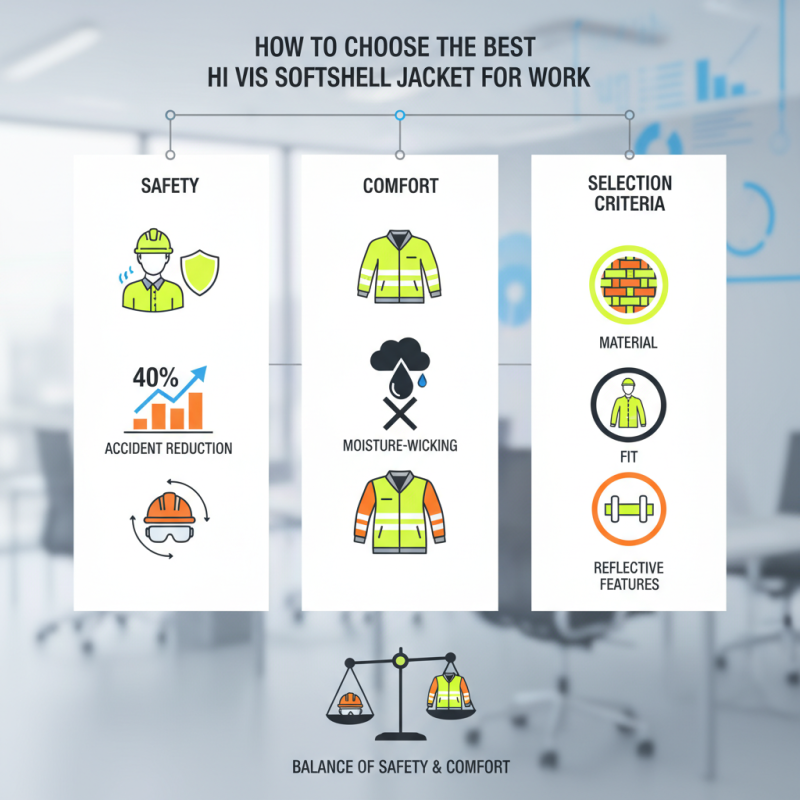
In workplaces where visibility is crucial, the choice of a hi vis softshell jacket becomes essential. According to the 2022 Safety Apparel Statistics Report, investing in high-visibility clothing can reduce accidents by up to 40%. These jackets blend comfort and safety, making them ideal for various job settings.
Expert in safety gear, Dr. Claire Henderson, emphasizes, “Choosing the right hi vis softshell jacket can make a significant difference in worker safety.” Her insight underlines the importance of proper selection criteria, including material, fit, and reflective features.
While many workers opt for price over functionality, this approach could jeopardize safety. High-quality hi vis softshell jackets often come with advanced moisture-wicking and breathability features. However, a jacket that is too loose or not reflective enough may fail to protect effectively. Therefore, understanding the right balance of safety and comfort is essential for optimal performance in high-risk environments.
Understanding the Importance of Hi Vis Softshell Jackets in the Workplace
Hi vis softshell jackets play a crucial role in workplace safety. These jackets are designed to enhance visibility in various environments, especially in low-light conditions. Construction sites, road maintenance, and other high-risk areas require employees to be easily seen. A well-chosen hi vis jacket can prevent accidents caused by poor visibility.
Comfort is another key factor. Softshell materials provide flexibility and warmth, making them perfect for outdoor work. The right fit allows freedom of movement. Workers should feel at ease while wearing these jackets. However, some may overlook the importance of breathability. Choose a jacket that allows for air circulation. Otherwise, discomfort can lead to distractions.
While the color of the jacket is important, so is its reflective quality. The best jackets combine high-visibility colors with reflective strips. However, not all reflectivity is equal. Some materials may fade or lose effectiveness over time. Regular inspection and maintenance are essential to ensure ongoing visibility. A jacket that meets safety standards is vital, yet workers must actively evaluate their gear’s performance in real-life conditions.
Key Features to Look for in Hi Vis Softshell Jackets
When selecting a hi vis softshell jacket for work, focus on several key features. Visibility is crucial. Look for jackets with bright colors like neon yellow or orange. Reflective strips enhance visibility in low light. Ensure they meet safety standards relevant to your industry. Durability is another essential factor. Jackets should withstand harsh conditions and frequent wear. Strong zippers and reinforced seams contribute to longevity.
Comfort plays a role too. Choose jackets with moisture-wicking fabrics that keep you dry and comfortable. A lightweight design allows ease of movement. Adjustable cuffs and hem can help customize the fit. While some jackets may look great but lack practical features, prioritize functionality.
Check for pockets. They should provide easy access to tools or personal items. Sometimes pockets can be in awkward places, leading to frustration. A well-designed jacket balances style and function. Consider whether the jacket can be layered to adapt to changing weather. Poor insulation or breathability can lead to discomfort. Evaluate these aspects carefully before making your decision.
How to Choose the Best Hi Vis Softshell Jacket for Work?
| Feature | Importance | Description |
| Visibility | High | Bright colors and reflective strips for high visibility in low-light conditions. |
| Material | High | Durable softshell fabric that provides flexibility and comfort while being resistant to wind and water. |
| Breathability | Medium | Ventilation features that allow air circulation, reducing overheating during physical activity. |
| Fit and Mobility | High | Designed for ease of movement, ensuring the jacket does not hinder work tasks. |
| Pockets | Medium | Ample storage for tools and personal items, with secure closures to keep contents safe. |
| Weather Resistance | High | Protection against rain and wind while maintaining comfort during various conditions. |
| Washability | Medium | Easy to clean materials that maintain their integrity after multiple washes. |
Choosing the Right Fabric and Insulation for Your Needs
When selecting a hi vis softshell jacket, the choice of fabric is crucial. Different materials offer various levels of durability and comfort. Opt for fabrics that resist tearing, especially if you work in demanding conditions. Look at the weight of the fabric, too. Heavier versions often provide more warmth but can be less breathable, raising comfort issues during physical activity.
Insulation also plays a key role in your decision. Softshell jackets can be unlined or lined with varying insulation types. Ensure that the level of insulation matches the climate where you work. In colder climates, thicker insulation is necessary. However, too much insulation can lead to overheating during active tasks, which may compromise safety as well.
Consider the breathability of the jacket. A balance between insulation and breathability is essential for comfort. Some jackets might make you feel stuffy or restrict movement, impacting job performance. Reflect on how your choices affect your daily tasks and comfort. Adjusting your preferences based on past experiences will help you make a more informed decision.
Selecting the Appropriate Size and Fit for Comfort and Functionality
Choosing the right size and fit for a Hi Vis softshell jacket is crucial for comfort and functionality in work environments. Proper fit ensures freedom of movement and reduces the risk of accidents. According to the Occupational Health and Safety Administration (OSHA), a well-fitted jacket enhances visibility and safety for workers in hazardous settings. A study found that improper sizing can lead to 30% more safety-related incidents.
When measuring, consider your body type and the type of clothing you'll wear underneath. Layering can affect size choice. A jacket that is too tight restricts movement, while one that is too loose may snag on equipment. A 2019 report from the National Safety Council emphasized that fit directly influences the effectiveness of high-visibility gear in preventing accidents.
Tips for choosing the right size: Always check the sizing chart provided by manufacturers. If you're between sizes, opt for the larger size for comfort. Finally, don’t forget to assess the jacket’s sleeve length and body length. These details impact how well the jacket protects you. Remember that comfort can enhance focus on the job, reducing distractions and fostering productivity.
Maintenance Tips for Prolonging the Life of Your Hi Vis Softshell Jacket
To prolong the life of your hi vis softshell jacket, regular maintenance is essential. Start by following the care instructions on the label. Most jackets require machine washing in cold water. It helps remove dirt and oils without damaging the fabric. Avoid using fabric softeners, as they can compromise reflective qualities and breathability.
Dry your jacket naturally whenever possible. If you must use a dryer, opt for a low heat setting. High heat can damage the water-resistant coating. Regularly check for minor tears or wear. Repairing small defects immediately can prevent larger issues later. Using a seam sealant can help keep the jacket waterproof.
Storing your hi vis jacket correctly is also crucial. Hang it in a cool, dry place away from direct sunlight. Sunlight can fade and weaken the fabric over time. Reflective parts may need a periodic inspection. If they lose brightness, a reflective spray can help renew visibility. Overall, embrace these maintenance practices. They enhance durability and ensure your jacket remains effective.