Who Are the China Top 10 Pallet Rack Manufacturers?
Choosing a Pallet Rack supplier is not just a price comparison. A rack must fit the building, the pallet load, and the way workers move through the aisles. Beam dimensions, upright capacity, steel finish, and installation support all matter. Details matter.
MHI and Deloitte’s 2024 Annual Industry Report found that 55% of surveyed supply-chain leaders planned to increase technology investment. That figure is not specific to racking, but it reflects pressure on warehouses to improve throughput and use space more carefully. MHI CEO John Paxton described the direction of supply chains this way: “The future of supply chains is digital, connected, and automated.” His observation helps explain why buyers increasingly assess rack manufacturers alongside warehouse systems and automation plans.
This guide examines ten leading manufacturers in China, looking beyond polished product photos. It considers product range, engineering capabilities, quality controls, customization, and export experience. Buyers should also verify load data and project-specific designs against applicable technical requirements, including ANSI MH16.1 where relevant. A supplier’s brochure alone cannot confirm a system’s suitability.
The comparison has limits. Public information varies, and “top” depends on the buyer’s priorities. A small warehouse may value responsive customization; a large distribution center may prioritize proven capacity and integration. Steel is not identical. Use this list as a starting point, then request drawings, test records, and references before making a decision.
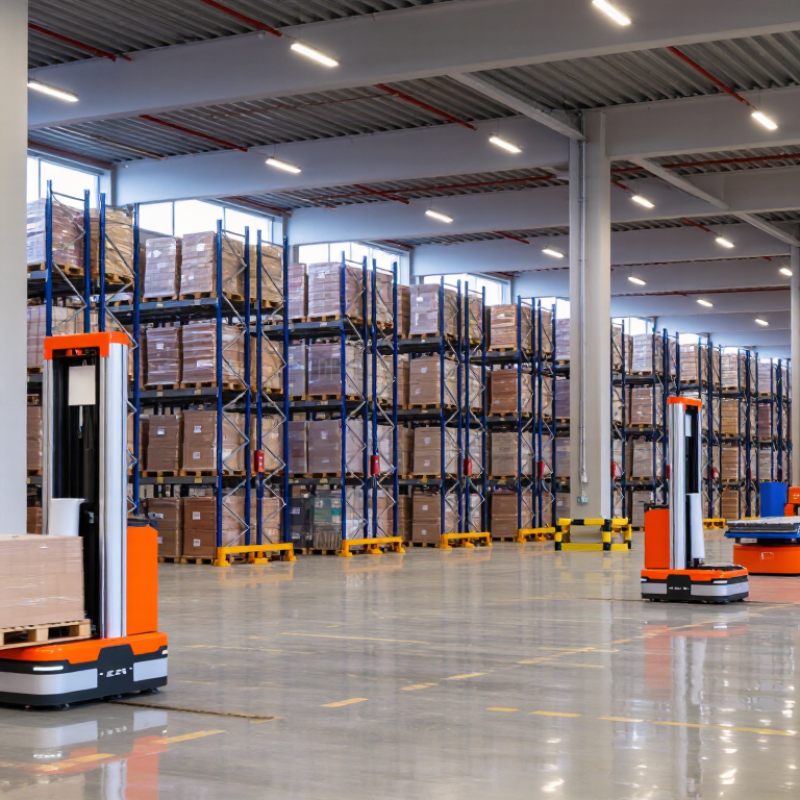
What Is Pallet Racking and Where Is It Used?
Pallet racking is a structural storage system that holds palletized goods above the floor. Steel frames and horizontal beams create adjustable levels for forklifts to load and retrieve products. The design makes vertical space useful. Racking is common in distribution centers, manufacturing plants, cold rooms, and wholesale warehouses. In a busy site, a clear aisle can matter as much as another storage bay.
Different rack designs suit different workflows. Selective racks provide direct access to each pallet, which helps when stock changes often. Drive-in systems store more pallets in a smaller footprint, but limit access to individual loads. Push-back and flow systems can support faster stock rotation when correctly configured. There is no universal best option. A compact layout may look efficient on paper, yet slow picking during peak shifts.
Good planning starts with real pallet dimensions, load weights, ceiling height, floor condition, and forklift turning space. Beam capacity must match the intended load, and clear labels help staff avoid guesswork. Qualified professionals should check installations, especially after impact or visible damage. Keep aisles free. Rack safety depends on more than steel strength; handling habits and regular inspections matter too. Even careful plans can miss variations in pallet condition, so allow room for real-world adjustments.
Who Are the China Top 10 Pallet Rack Manufacturers? What Is Pallet Racking and Where Is It Used?
This chart compares common pallet-rack configurations by their typical suitability for FIFO (first in, first out) and LIFO (last in, first out) stock rotation. Selective racks provide direct access to each pallet, so either method can be used depending on warehouse operations.
Compatibility is indicative, not a manufacturer specification. Actual stock rotation depends on the rack design, loading method, and warehouse workflow.
How Are China’s Top Pallet Rack Manufacturers Evaluated?
A credible evaluation of China’s pallet rack manufacturers should begin with engineering evidence, not catalogue photographs. Ask for load tables that match the proposed beam lengths, upright profiles, and storage configuration. Check whether stated capacities include clear safety assumptions. Details matter. A rack designed for a warehouse’s actual forklift routes and pallet dimensions is more useful than one with impressive numbers alone.
Production quality needs direct, repeatable checks. Review steel specifications, weld consistency, hole alignment, and coating coverage; inspect sample components under bright light for thin spots or rough edges. Request recent inspection records and, where practical, independent test results. Confirm that drawings, labels, and delivery documents describe the same product. A polished sample is not proof that every production batch will match it.
Also assess communication, customization, lead times, spare-part availability, and installation guidance. Ask how the manufacturer handles a damaged component or a changed warehouse layout. Speak with customers whose projects resemble yours, and verify references rather than relying on testimonials alone. No scorecard is perfect. Price and delivery promises can be compared, but long-term reliability is harder to measure, so record uncertainties and revisit them before choosing.
Who Are the Top 10 Pallet Rack Manufacturers in China?
The top 10 pallet rack manufacturers in China are best identified through verifiable production and project records, not polished catalogs alone. A serious comparison should examine rack design, steel specifications, load calculations, welding quality, and installation support. Ask for drawings that show beam levels, upright dimensions, and stated load capacities. Small details matter. A clear answer is safer than a bold claim.
Reliable manufacturers can usually explain how their systems suit a specific warehouse. For example, a facility with narrow aisles and forklifts needs different rack spacing from a site storing slow-moving cartons. Request samples or inspect finished installations where possible. Check coating consistency, joint fit, and whether labels match the supplied components. These checks are practical, though they cannot replace an independent engineering review.
There is no universally accepted ranking of China’s top 10 suppliers, and online lists may rely on incomplete information. Buyers should compare several qualified factories using the same specification and request references for similar projects. Confirm production capacity, quality-control records, delivery schedules, and after-sales procedures in writing. I would not rank a supplier highly based only on price or factory size. That judgment can be imperfect, especially when project data is limited.
What Products and Services Do These Manufacturers Provide?
China’s leading pallet-rack manufacturers typically offer selective, drive-in, push-back, and pallet-flow systems. These serve different stock profiles, from fast-moving cartons to dense bulk storage. Many also supply mezzanines, shelving, and automated storage equipment. Site surveys, layout drawings, load calculations, and installation support are common services. Some providers integrate conveyors or warehouse software, but automation depth varies. Details matter.
The MHI 2024 Annual Industry Report found that 55% of surveyed supply-chain professionals expected to increase technology and innovation investment in 2024. That trend helps explain demand for rack systems designed around scanners, conveyors, and automated retrieval. Still, a smart layout is not automatically a safe one. Buyers should request load-capacity documentation, seismic design assumptions, installation plans, and inspection guidance. After-sales support can include spare components and damage assessments. Ask who handles repairs, and how quickly. A manufacturer’s catalogue may look complete, yet site conditions can change the final design. Check clearances, floor capacity, and forklift turning space before approving drawings.
How Can Buyers Compare Manufacturers for Their Warehouse Needs?
A useful comparison begins with your warehouse, not a catalog. Record the heaviest pallet load, rack height, aisle width, forklift type, and available floor space. Share the same figures with every manufacturer. Then compare designs on equal terms. Details matter.
Ask for drawings, beam and upright specifications, stated load capacities, and the assumptions behind those ratings. Check whether the proposed layout suits your pallet dimensions and daily handling patterns. A rack that looks sturdy may still waste aisle space or make picking awkward. Request examples of comparable installations, and ask who checks measurements before production.
Compare more than the quoted price. Review steel thickness, surface finish, production lead time, packing, installation guidance, and after-sales support. Ask how damaged components are identified and replaced. A clear response is a useful sign, though it cannot prove quality by itself. If a supplier cannot explain its design choices in plain language, pause and ask again. The lowest quote may fit, but small omissions can become costly once pallets are in the air.