
China Top 10 Gate Valve Manufacturers for Global Buyers

Global buyers are reassessing industrial valve supply chains as energy, water, chemical, and infrastructure projects expand. Grand View Research estimates that the global industrial valves market reached about USD 78.7 billion in 2023. Its report also projects continued growth through 2030. Fortune Business Insights reports a different 2023 estimate, near USD 76.2 billion. The gap is worth noting. Market definitions vary.

This guide introduces China’s top 10 gate valve manufacturers for international procurement teams. It focuses on manufacturing experience, product range, export capability, certifications, and quality controls. A reliable supplier should provide material test certificates, pressure-test records, dimensional reports, and clear traceability. Buyers should also review API 600, API 603, ASME B16.34, and relevant ISO requirements. These standards can matter when valves enter refineries, pipelines, power plants, or water-treatment facilities.

Practical details often reveal more than polished brochures. Look for documented hydrostatic testing, controlled casting processes, skilled machining, and consistent packing protection. A 24-inch valve may require careful lifting, reinforced crating, and corrosion-resistant coating before shipment. That matters. No ranking is flawless. Public information can be incomplete, and factory capability may change after an audit. Therefore, this selection should support due diligence, not replace it. Request recent inspection evidence, production samples, customer references, and third-party verification before signing a contract. This approach helps global buyers compare China-based gate valve manufacturers with greater confidence, transparency, and technical discipline.
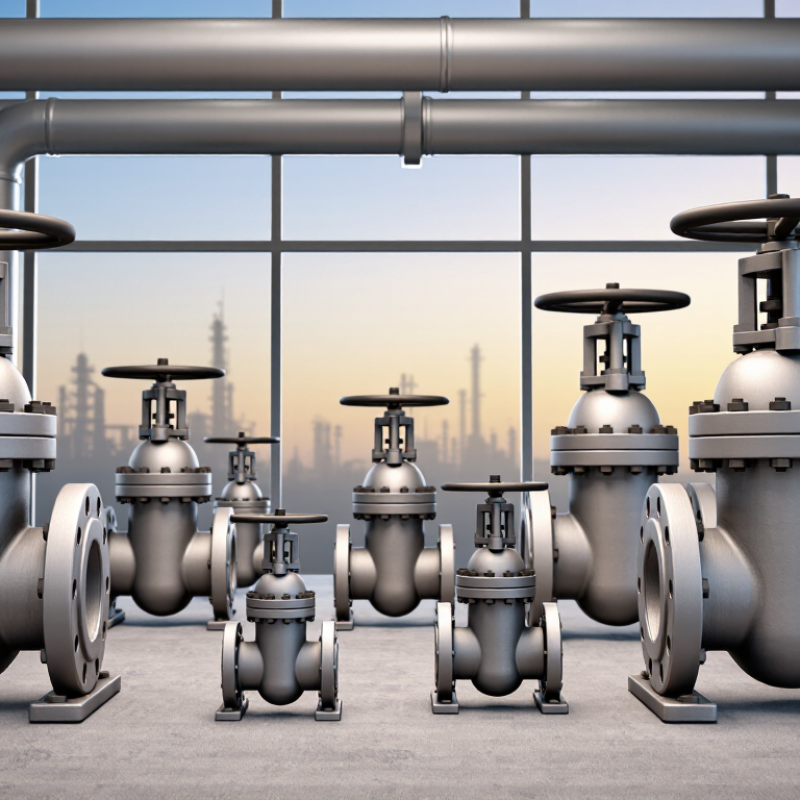
China Top 10 Gate Valve Manufacturers for Global Buyers

How China’s Gate Valve Manufacturing Industry Serves Global Buyers

China’s gate valve manufacturing industry serves global buyers through a dense network of foundries, machining plants, testing laboratories, and export teams. Manufacturers produce resilient-seated and metal-seated designs for water, oil, gas, power, and industrial process lines. Common materials include ductile iron, carbon steel, stainless steel, and alloy steel. Engineers select materials according to pressure, temperature, corrosion, and media conditions.

Experienced suppliers usually provide drawings, pressure-test records, material certificates, coating details, and inspection photographs. Buyers can request dimensional checks before shipment. Some factories also support third-party inspections and witnessed testing. This matters when a valve travels thousands of kilometres before installation. A small flange error can delay an entire piping project.

Customization is another practical advantage. Chinese manufacturers may adjust face-to-face dimensions, stem designs, coatings, actuators, and connection standards. Yet low price alone is a weak purchasing method. Not every supplier controls casting quality equally. A clean brochure proves little. Buyers should review traceability, welding procedures, production capacity, and after-sales response. Factory audits remain useful, although they can miss problems between production batches. Even experienced teams sometimes overlook packaging strength or spare-part availability. That mistake becomes expensive at a remote job site. Clear specifications and staged inspections create more reliable cooperation between Chinese producers and international buyers.

Key Standards for Evaluating China’s Top Gate Valve Manufacturers

When comparing China’s top ten gate valve manufacturers, buyers should begin with standards, not catalog size. API 600 is relevant for many steel wedge gate valves, while API 6D suits pipeline service. ASME B16.34 helps verify pressure-temperature ratings, materials, and design requirements. API 598 testing records should show shell and seat results, test medium, pressure, and duration. Ask for the exact edition used. Small detail, major consequence.

Experience appears in repeatable production, not polished photographs. Review machining tolerances, casting controls, welding procedures, and final inspection records. Material traceability should connect the heat number to the body, bonnet, stem, and pressure boundary. On a factory visit, inspect calibration labels and witness a hydrostatic test if possible. Independent inspection can reduce blind spots. Still, it is not a substitute for technical judgment.

Reliable suppliers explain deviations before shipment. Check ISO 9001 certification, but verify its scope and validity with the issuing body. Ask whether pressure tests use calibrated gauges and whether reports identify the actual valve serial number. Corrosion-resistant trim, packing selection, and coating quality deserve practical review for the intended fluid. A low quotation may hide thinner documentation, longer lead times, or unsuitable materials. Some evaluations remain imperfect. Records can be complete while field performance varies. Therefore, sample testing and reference checks should remain part of the purchasing file.

China Top 10 Gate Valve Manufacturers for Global Buyers - Key Standards for Evaluating China’s Top Gate Valve Manufacturers

Standards-Based Evaluation Matrix for Industrial Gate Valve Suppliers

Priority Evaluation Dimension Relevant Standard or Regulation What Global Buyers Should Verify Practical Benchmark
1 Design and Product Scope API 600; ASME B16.34; EN 1984 Confirm whether the supplier manufactures cast or forged steel gate valves, rising-stem or non-rising-stem designs, and wedge or parallel-slide configurations suitable for the intended service. The product range should clearly state pressure class, nominal size, end connection, body material, trim, and operating temperature.
2 Pipeline and Oil & Gas Suitability API 6D; ISO 14313 For pipeline applications, review documented compliance for through-conduit designs, piggability where applicable, double-block-and-bleed functions, and pipeline valve testing. The supplier should provide a complete API 6D or ISO 14313 technical file when the valve is specified for pipeline service.
3 Pressure and Shell Testing API 598; ISO 5208; EN 12266-1 Request hydrostatic shell-test records, seat-test records, test pressure values, holding times, acceptance criteria, and calibrated equipment details. Each production valve should have traceable inspection records showing pass or fail results against the applicable standard.
4 Pressure-Temperature Rating ASME B16.34; ASME B16.5; ASME B16.47 Check that the pressure class, body material group, flange dimensions, wall thickness, and temperature limits are consistent across the datasheet and drawings. Rating information should be stated by class or pressure-temperature table rather than by pressure value alone.
5 Materials and Corrosion Resistance ASTM material specifications; NACE MR0175/ISO 15156 Verify body, bonnet, stem, wedge, seat, and bolting material certificates. For sour-service applications, confirm hardness, material restrictions, and documented compliance. Material test certificates should be heat-number traceable to the valve and should include chemical and mechanical test results.
6 Fugitive Emissions and Packing ISO 15848-1; API 624; API 641 Determine whether low-emission packing, live-loaded packing, stem-finish controls, and type-test reports are available for the selected valve design. A supplier claiming low-emission performance should identify the tested configuration, cycle count, temperature, medium, and leakage classification.
7 Quality Management System ISO 9001; ISO 29001 Review the validity and scope of the quality certificate, nonconformance procedures, supplier control, calibration system, and final inspection process. The certificate scope should cover valve design, manufacturing, assembly, testing, or the specific activities being claimed.
8 Manufacturing and Inspection Capability ASME Section IX; ISO 9712; ISO 17635 Assess foundry or forging controls, welding procedure qualifications, welder qualifications, nondestructive testing capability, machining accuracy, and final assembly controls. Critical pressure-boundary components should have documented inspection plans and qualified personnel for the required NDT methods.
9 Documentation and Traceability EN 10204 Type 3.1; ISO 10474 Confirm availability of approved drawings, bill of materials, inspection and test plans, material certificates, pressure-test reports, coating records, and operation manuals. Valve identification numbers, heat numbers, inspection reports, and packing lists should remain consistent throughout the order documentation.
10 Export Compliance and Project Support PED 2014/68/EU; applicable destination-country rules Check whether the supplier can support required conformity assessment, marking, language, export packaging, spare parts, technical clarification, and after-sales response. The supplier should provide a documented delivery schedule, export packing specification, warranty terms, and a defined procedure for handling nonconformities.

Buyer note: Applicable standards depend on valve type, pressure class, service medium, temperature, industry, and destination market. Buyers should confirm the latest edition of every standard and include the required standards in the purchase specification.

China’s Top 10 Gate Valve Manufacturers by Product and Industry Focus

China’s top ten gate valve manufacturers serve different product and industry needs, rather than competing on price alone. According to Fortune Business Insights, the global industrial valves market was valued at about USD 77.76 billion in 2023. This demand supports China’s broad manufacturing base.

Several leading producers focus on resilient-seated gate valves for municipal water networks. Others specialise in forged or cast steel valves for oil, gas, power, and chemical processing. Stainless steel models suit corrosive media, while cryogenic designs support LNG storage and transport. Large-diameter valves are commonly supplied for pipelines and water-treatment plants. Compact forged valves fit high-pressure process equipment.

Product selection should include pressure class, temperature range, body material, and end connection. Serious buyers also review shell tests, seat-leakage results, and traceability records. ISO 5208 and API 598 remain useful references for pressure testing. Grand View Research reports that industrial automation and infrastructure investment continue to strengthen valve demand worldwide. The figures are helpful, but market reports can differ by scope and forecast method.

Factory experience matters on the shop floor. Inspectors should examine machining marks, coating thickness, packing condition, and nameplate details. Remote audits help, but they cannot replace independent inspection. Rankings are imperfect. A strong water-valve supplier may not perform well in severe-service applications. Buyers should compare each manufacturer by product range, industry experience, testing discipline, and after-sales responsiveness.

Quality Control, Certifications, and Export Capabilities to Compare

When comparing China’s top gate valve manufacturers, quality control deserves more attention than catalog size. Experienced buyers should review material traceability from billet to finished valve. Ask for heat numbers, mill certificates, and inspection records. A reliable factory can provide dimensional reports, shell tests, seat tests, and pressure charts for each order. Small details matter. Stamped markings should match the purchase documents.

Certifications require careful checking. ISO 9001 shows a documented quality system, but it does not guarantee perfect valves. API 6D, ASME B16.34, or relevant EN standards may apply to specific designs and markets. Request current certificates, issuing bodies, and covered product ranges. EN 10204 3.1 material certificates can support traceability. However, paperwork may still contain errors. Compare certificate dates, valve models, and test pressures before approval.

Export capability also separates serious suppliers from occasional exporters. Check their experience with wooden cases, corrosion protection, spare parts, and container loading. Confirm commercial invoices, packing lists, certificates of origin, and HS codes. Ask whether they support FAT, third-party inspection, and remote video checks. Delivery records should show realistic lead times, not optimistic promises. A factory may offer a low price, yet poor coating or weak packaging can create costly claims. Review sample photos, inspect one production batch, and keep acceptance criteria in writing. That discipline is not excessive. It prevents avoidable surprises.

China Top 10 Gate Valve Manufacturers for Global Buyers

Quality Control, Certifications, and Export Capabilities to Compare

This non-company-specific benchmark shows the number of commonly requested evidence items in each buyer evaluation area. Typical documents include quality certificates, inspection and testing records, international valve standards, material certificates, export documentation, engineering drawings, and after-sales support terms.

How Global Buyers Can Select the Right Chinese Gate Valve Supplier

China Top 10 Gate Valve Manufacturers for Global Buyers

Selecting the right Chinese gate valve supplier requires more than comparing prices. Fortune Business Insights valued the global industrial valves market at USD 78.7 billion in 2023, with continued growth expected through 2032. That scale increases supplier choice, but also increases verification work. Buyers should examine foundry control, machining tolerance, pressure testing, and traceability before reviewing commercial terms.

Start with the application. A refinery, water plant, and steam system need different materials, trims, and sealing designs. Request test records aligned with API 600, API 602, or ASME B16.34, where applicable. ISO 9001 certification supports process discipline, but it does not prove every valve will perform well. Ask for recent inspection reports, hydrostatic results, chemical composition, and sample serial-number records. Small details matter.

Grand View Research reports that the wider valves market is expanding at roughly 4% annually. Suppliers may therefore be handling heavier export demand. Check production capacity carefully. A factory tour, live video audit, or independent inspection can reveal crowded storage areas and unfinished machining. No checklist is perfect. I would also compare warranty limits, spare-part response, export packaging, and documentation quality. The cheapest quote can become expensive when a replacement valve arrives without usable drawings or certificates.

Article Source:

Optimized by Optimole