Top Chain Weaving Machine Trends to Watch in 2026?
In the world of textile manufacturing, the chain weaving machine occupies a central role. Its evolution significantly impacts production efficiency and material quality. As we approach 2026, several trends are emerging that professionals must consider. These trends reflect advancements in technology, sustainability, and design innovation.
One notable trend involves automation. Automated chain weaving machines enhance precision and reduce labor costs. However, the reliance on technology raises questions. Are workers being displaced? What kind of training will they need? Such concerns illustrate a potential gap in workforce readiness.
Sustainability remains a critical focus. Manufacturers are moving towards eco-friendly materials. Chain weaving machines can support this shift by minimizing waste and optimizing resource use. Yet, some companies still struggle to adopt these practices fully. Balancing profitability with ecological responsibility is no small feat. This contradiction invites reflection on current industry standards and practices. As we explore these trends, it’s crucial to analyze both the challenges and opportunities that lie ahead.
Emerging Technologies in Chain Weaving Machines for 2026
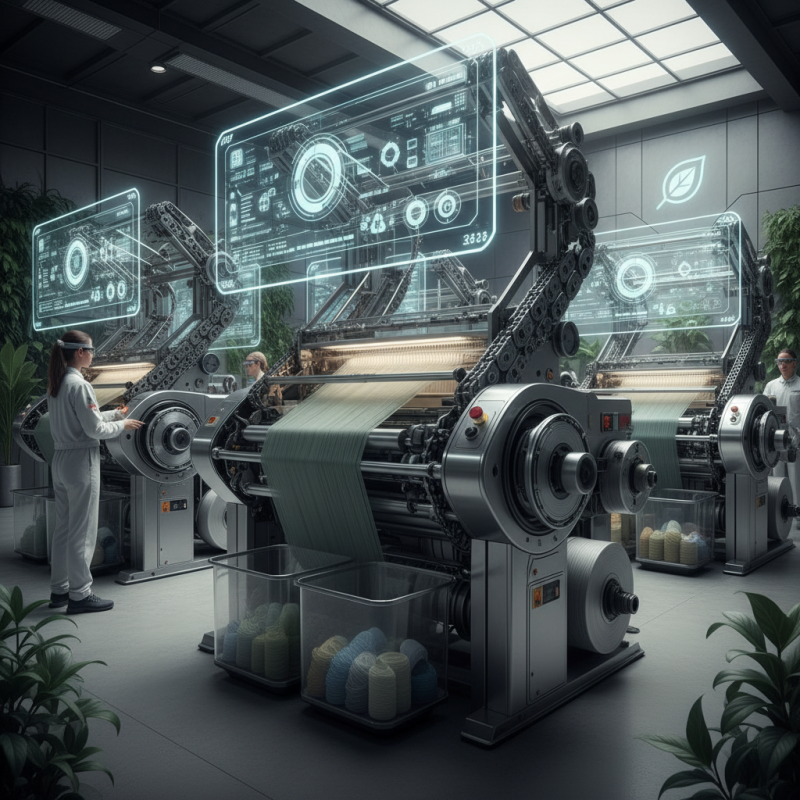
The chain weaving machine industry is on the brink of significant transformation by 2026. Emerging technologies will redefine operational efficiency and product quality. According to a recent industry report, integrating artificial intelligence (AI) into these machines can enhance production rates by up to 30%. These AI systems analyze patterns and optimize settings in real-time, resulting in fewer defects. However, implementing such technologies requires careful consideration of workforce training and system integration challenges.
Another striking trend is the adoption of IoT (Internet of Things) capabilities. With IoT, machines can communicate data on performance and maintenance needs. A market analysis indicates that incorporating IoT can reduce downtime by 25%. While this sounds promising, companies must address cybersecurity risks that come with increased connectivity. Furthermore, many organizations still lack the infrastructure to support these advancements.
Sustainable practices in chain weaving are gaining traction as well. Enhanced energy-efficient motors can lead to a reduction in power consumption by 15%, according to eco-friendly technology reports. Although this trend is beneficial, the higher initial investment cost poses a barrier for many smaller producers. Continuous evaluation of both benefits and challenges will be crucial as the industry moves toward a more automated and sustainable future.
Sustainability Trends Influencing Chain Weaving Machine Design
In 2026, sustainability will significantly shape the design of chain weaving machines. Manufacturers are becoming increasingly aware of their environmental impact. Innovations will focus on reducing waste and improving efficiency. Energy-efficient motors and eco-friendly materials will become standard. Integrating renewable energy sources in manufacturing processes holds potential. This shift will not only benefit the planet but also enhance production performance.
Tips: Consider assessing the lifecycle of materials used in your machine. Evaluate how each component contributes to sustainability. This insight can drive smarter purchasing decisions.
Additionally, user education plays a pivotal role. Operators need training on efficient use and maintenance. Knowledge about conserving energy during production will help. Continuous improvement should be encouraged. Set benchmarks for sustainability goals and revisit them regularly.
Exploring these elements may show flaws in past designs. Accepting and addressing these concerns will foster innovation. Acknowledging challenges can lead to practical solutions and stronger industry standards. Embracing change in this way is crucial for a greener future.
Top Chain Weaving Machine Trends to Watch in 2026
Innovations in Automation and Control Systems for Weaving Machines
The advancements in automation and control systems for weaving machines are reshaping the textile industry. Weaving machines are becoming smarter, thanks to integration with AI and data analytics. These technologies enable real-time monitoring of the weaving process. This leads to enhanced efficiency and reduces downtime. Companies can swiftly identify issues and optimize production.
Another noteworthy trend is the use of advanced sensors. These sensors provide precise feedback on fabric quality. However, even with these innovations, challenges remain. Not every company can adapt quickly to new technologies. There’s a gap between what some manufacturers want and what they can implement. Training workers is crucial for maximizing these new systems' potential.
Moreover, automation can create a dependency on technology. If a system fails, the entire operation can stall. Continuous improvement and adaptability are essential in this evolving landscape. Balancing automation with skilled labor is vital. This will ensure the weaving industry can thrive without losing the artisanal touch that defines quality fabrics.
Market Demand and Consumer Preferences Shaping Weaving Manufacturing
In 2026, market demand will significantly steer the trends in weaving manufacturing. Recent industry reports suggest that sustainable materials will dominate consumer preferences. More than 70% of consumers prioritize eco-friendly products. This trend pushes manufacturers to innovate and adopt greener practices.
The rise of smart technology in weaving machines is evident. Reports indicate an expected 15% growth in automation within the industry. Manufacturers are investing in advanced robotics to improve efficiency. This shift not only enhances productivity but also results in a more adaptive production process. Yet, challenges remain. Many manufacturers struggle with high initial costs.
Tips for adapting to these trends include focusing on consumer education. Brands should communicate their sustainable efforts clearly. Transparency in materials and processes builds trust. Also, considering modular designs in machines can increase flexibility. Manufacturers should be open to collaboration and feedback, fostering a culture of innovation. This approach may resolve many industry challenges while aligning with evolving consumer expectations.
Future Challenges and Opportunities for the Chain Weaving Industry
As the chain weaving industry progresses toward 2026, it faces both challenges and unique opportunities. Industry reports indicate a growing demand for automated solutions, potentially transforming traditional weaving practices. A survey revealed that nearly 70% of manufacturers see automation as essential for maintaining efficiency and output. However, integrating new technology requires significant investment and skilled workforce adaptation.
Sustainability is another pressing factor. Analysts project a 35% increase in consumer preference for eco-friendly products over the next three years. This trend challenges manufacturers to rethink materials and production processes. Many companies may struggle with supply chain adjustments as they shift to sustainable sources. The urgency for transparency in the manufacturing process will also rise.
Consumer preferences will continue to evolve, putting pressure on the industry to innovate. Rapid shifts in market demands can render existing products obsolete. Companies need to stay agile, as even slight misalignments can lead to significant losses. Focusing on these areas will shape the chain weaving industry's future landscape.
Top Chain Weaving Machine Trends to Watch in 2026
| Trend | Description | Impact on Industry | Opportunities |
| Automation and AI Integration | Increased use of artificial intelligence to optimize manufacturing processes. | Higher efficiency and reduced labor costs. | Development of smart machines and software solutions. |
| Sustainability Practices | Adoption of eco-friendly materials and processes in machine manufacturing. | Improved brand reputation and compliance with regulations. | Exploration of green technology partnerships. |
| Customization and Flexibility | Machines designed for more customizable weaving patterns to meet diverse customer demands. | Increased customer satisfaction and market reach. | Innovation in machine design and modular components. |
| Smart Connectivity | Implementation of IoT technologies for machine monitoring and data analysis. | Enhanced operational insights and preventive maintenance. | Expansion of data analytics services in the industry. |
| Global Supply Chain Resilience | Improving supply chain strategies to withstand disruptions. | Stability in production and delivery schedules. | Opportunities in localized manufacturing and sourcing. |