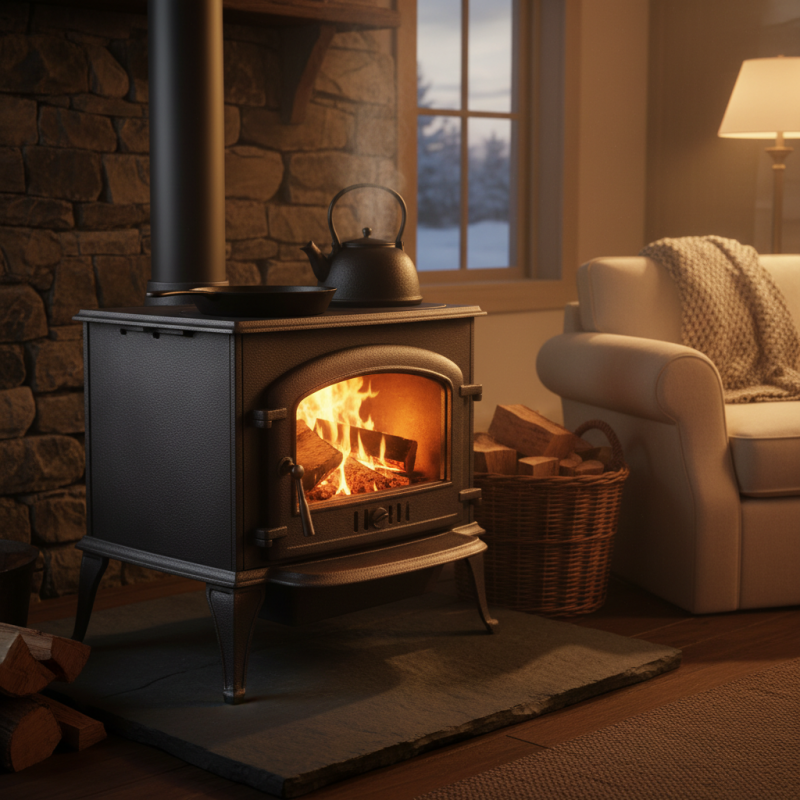
What is a Cast Iron Stove and How Does It Work?
A cast iron stove is a timeless piece of equipment. Its charm lies in both functionality and aesthetics. These stoves have been used for centuries. They provide heat and can also be used for cooking.
Made from durable cast iron, these stoves retain heat exceptionally well. Once heated, they offer a steady warmth for extended periods. However, they can be quite heavy. Moving one can be a challenge, and installation requires careful planning.
Operating a cast iron stove isn't always straightforward. For some, the learning curve can be frustrating. Balancing heat levels and knowing how to load fuel properly takes practice. Despite these challenges, many find joy in using a cast iron stove. It creates a cozy atmosphere that is hard to replicate.
What is a Cast Iron Stove? Definition and Historical Context
A cast iron stove is a timeless piece of heating equipment. It is made from cast iron, known for its durability and excellent heat retention. Historically, these stoves date back to the 18th century. They were crafted to provide efficient warmth for homes during colder months. The sturdy material allows them to withstand high temperatures. In many homes, they became a centerpiece, often adorned with intricate designs.
In our modern context, the appeal of cast iron stoves remains. They can serve as functional art pieces. However, not every model is perfect for contemporary lifestyles. Some might find them heavy and difficult to move. Installation can also be a bit complex. A well-maintained stove can last for generations. Yet, improper use can lead to inefficiencies. Regular cleaning and maintenance are crucial to ensure optimal performance.
Many people appreciate the slow, steady heat that these stoves provide. They often evoke a sense of nostalgia, connecting us to the past. Yet, one must consider the space and type of fuel. Understanding how a cast iron stove works is essential. Without this knowledge, one could face issues with efficiency and safety. Balancing tradition and practicality is essential in choosing the right heating method.
Key Features of Cast Iron Stoves: Materials and Design
Cast iron stoves are known for their durability and heat retention. They are made from cast iron, a material that can withstand high temperatures. The design often includes intricate patterns and a heavy structure. This style not only enhances the aesthetic appeal but also improves functionality. As it heats, the stove radiates warmth, creating a cozy atmosphere.
One interesting feature of cast iron stoves is their ability to distribute heat evenly. The material absorbs and retains heat long after the fire has died down. However, this can also be a downside. If not monitored, the residual heat can lead to burns if touched.
In terms of design, many models include a glass window. This feature allows users to enjoy the flickering flames. It's mesmerizing to watch but can be a cleaning challenge. Creosote can build up, requiring more maintenance. Additionally, some might find the weight of the stove challenging during installation. Proper planning is essential for placement in any room. The combination of beauty and function makes cast iron stoves unique, but they come with their own set of challenges.
How Cast Iron Stoves Generate Heat: The Science of Conduction and Radiation
Cast iron stoves are fascinating appliances that generate heat through two main processes: conduction and radiation. Conduction occurs when heat moves directly through the materials of the stove. The cast iron construction absorbs heat quickly. As the stove's surface warms, it can reach high temperatures, making it an effective heating option.
Radiation is another key aspect of how these stoves work. Once the cast iron gets hot, it emits infrared radiation, warming the surrounding air and objects in the room. This type of heat moves through space, allowing the warmth to spread evenly. People often find this comforting, as it radiates a steady warmth that feels different from forced air heating.
Of course, using a cast iron stove requires careful attention. Improper use can lead to overheating or uneven heat distribution. Users need to monitor the temperature closely. Regular maintenance is crucial too. A well-maintained stove can provide reliable warmth for years, but neglect can lead to problems.
Embracing this old-world technology demands respect for its quirks, as it may require adjustments to achieve optimal performance.
Efficiency of Cast Iron Stoves: Comparing BTU Output and Fuel Consumption
Cast iron stoves are known for their impressive efficiency. They use a unique heating process that combines radiant and convection heat. Understanding their BTU output is crucial. This output indicates how much heat the stove can produce. Higher BTUs generally mean more warmth but also more fuel consumption.
When comparing different models, consider the fuel type. Some stoves use wood, while others can operate on oil or gas. The fuel consumption rate matters. It can vary significantly between models. A stove with high BTU output may consume much fuel.
Tips: Be mindful of the size of your space. A large room might need a stove with higher output. Opt for models with adjustable settings to match your needs. Regular maintenance is essential too. It ensures efficiency and prolongs the stove's lifespan. Additionally, pay attention to the air flow. This can impact both heat distribution and fuel efficiency.
Maintenance and Care Tips for Longevity of Cast Iron Stoves
Cast iron stoves are known for their durability and heat retention, making them a popular choice in many homes. However, maintaining these stoves requires commitment. Regular cleaning is essential. After each use, wipe down the surface to prevent buildup. This simple task can enhance performance and longevity.
Address rust issues promptly. If you notice rust forming, sand it gently with fine sandpaper. After sanding, apply a light coat of oil. It helps protect the metal from further deterioration. Always ensure the stove is completely cool before starting this maintenance.
Be mindful of the stove’s environment. Placing it in a dry area minimizes moisture exposure. Additionally, check the gasket around the doors. If it shows signs of wear, replace it quickly. A good seal improves efficiency and ensures a safer operation. Neglecting these aspects can lead to costly repairs down the line. Regular maintenance keeps the stove functional and prolongs its life. Ensure you dedicate time to these tasks.
What is a Cast Iron Stove and How Does It Work? - Maintenance and Care Tips for Longevity of Cast Iron Stoves
| Feature | Description | Maintenance Tip |
| Material | Made from heavy cast iron, known for durability and excellent heat retention. | Regularly clean to prevent rust and maintain appearance. |
| Efficiency | Provides consistent and stable heat over a long period. | Use high-quality fuels for optimal burning efficiency. |
| Heat Distribution | Even heat distribution, reducing cold spots in the room. | Ensure proper airflow around the stove for best performance. |
| Combustion Control | Features adjustable dampers for controlling airflow and heat output. | Test damper functionality regularly to maintain efficient operation. |
| Lifespan | Can last for decades with proper care and maintenance. | Inspect and address cracks or damage immediately. |