2026 Best Uses of Glutamic Acid Residue in Nutrition?
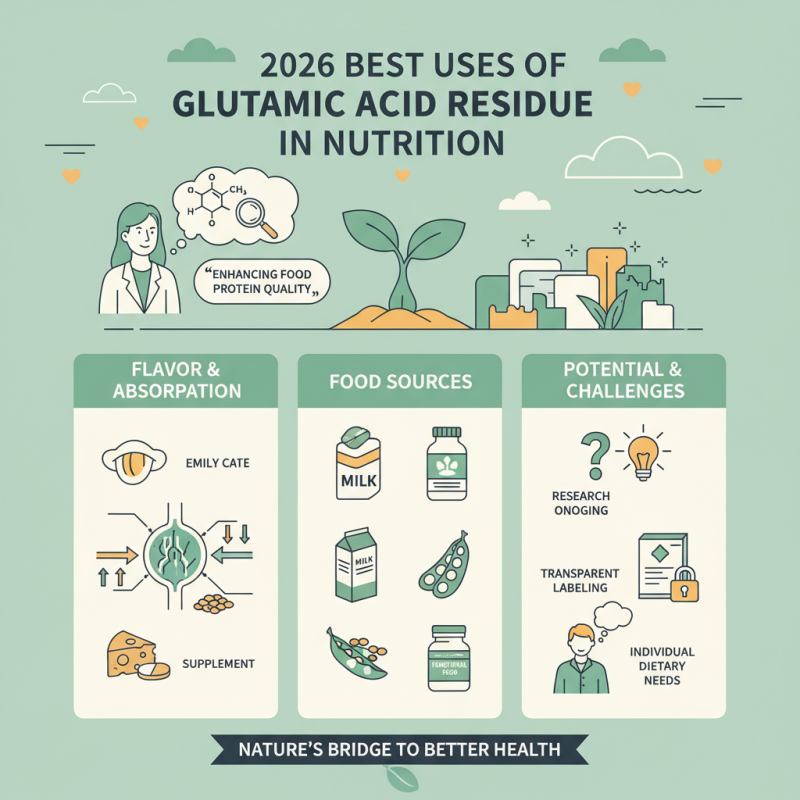
In the evolving landscape of nutrition, glutamic acid residue emerges as a crucial player. Dr. Emily Chen, a leading expert in nutritional biochemistry, notes, "Glutamic acid residue has untapped potential in enhancing food protein quality." This statement highlights a significant opportunity for further exploration.
glutamic acid residue is not just a component; it's a bridge to better health. It enhances flavor and improves nutrient absorption. Many foods, like dairy products and legumes, naturally contain this residue. However, its specific applications in dietary supplements and functional foods are still underutilized.
While the potential is clear, challenges remain. Research on its benefits is ongoing. Many products on the market lack transparent labeling regarding glutamic acid residue. Consumers deserve clarity. It's crucial to reflect on how best to incorporate this valuable residue into diets, ensuring we maximize its benefits while being aware of individual dietary needs.
Exploring Glutamic Acid Residue: Definition and Importance in Nutrition
Glutamic acid residue plays a crucial role in nutrition. It is an amino acid commonly found in many foods. This compound helps in protein synthesis and influences metabolic processes. You may find it in meat, fish, dairy, and certain vegetables.
Understanding its importance can help us make better dietary choices. Glutamic acid residue enhances the flavor and palatability of foods. Consuming foods rich in this residue may promote muscle recovery and growth. It also supports brain health by acting as a neurotransmitter. This connection to cognitive function makes it even more valuable in our diets.
Tips: Incorporate more protein sources in your meals. This can be in the form of lean meats or legumes. Also, consider adding seaweed or mushrooms to your dishes; they are excellent natural sources. Don't forget to reflect on your dietary habits. Are you getting enough of this important amino acid? It's worth evaluating how your food choices impact your overall nutrition.
2026 Best Uses of Glutamic Acid Residue in Nutrition
| Use | Description | Nutritional Benefit | Sources |
| Flavor Enhancer | Used to enhance the savory taste in various food products. | Improves palatability and may encourage increased consumption of healthy foods. | Fermented products, broths, and certain plant-based foods. |
| Protein Synthesis | Acts as a precursor for the synthesis of proteins in the body. | Supports muscle recovery and growth. | Animal proteins, soy products, and legumes. |
| Energy Production | Involved in the metabolic pathway for energy production. | Provides a quick source of energy for cells. | Meat, fish, poultry, and dairy products. |
| Neurotransmitter Support | Functions as a neurotransmitter in the brain. | Could improve cognitive function and mood regulation. | High-protein foods, certain vegetables, and grains. |
| Supplementation | Available as a dietary supplement for specific health needs. | May aid in recovery from exercise and improve endurance. | Available in powdered form and capsules. |
Nutritional Benefits of Glutamic Acid Residue in Dietary Supplements
Glutamic acid residue is gaining attention in nutritional science, especially in dietary supplements. This amino acid plays a crucial role in protein synthesis and neurotransmission. Recent reports highlight that supplements containing glutamic acid can enhance muscle recovery and cognitive functions. According to a review published in the Journal of Nutrition, glutamic acid's supplementation can boost endurance during workouts by up to 15%.
Incorporating glutamic acid into your diet may improve overall health. While natural sources like meat and dairy are beneficial, supplementation can enhance benefits. Tips for use include mixing glutamic acid with protein shakes or consuming it post-exercise for optimal absorption.
However, moderation is key. Excessive intake may lead to gastrointestinal issues. Some individuals have reported headaches and fatigue after high doses. This serves as a reminder to consult with healthcare providers before starting any new supplement regimen. Balancing intake while considering individual reactions to glutamic acid is essential for maximizing its nutritional benefits.
Role of Glutamic Acid Residue in Enhancing Flavor and Palatability
Glutamic acid residue plays a significant role in enhancing flavor and palatability. This amino acid is a key component of umami, one of the five basic tastes. Research suggests that glutamic acid can increase the perceived savoriness of food, making dishes more enjoyable. A recent study indicated that incorporating 1-2% of glutamic acid residue in recipes can boost flavor intensity by up to 30%.
Tip: Experiment with natural sources like mushrooms and tomatoes, which are rich in glutamic acid. They can elevate the taste of your meals without extra sodium.
However, reliance on glutamic acid residue raises concerns. While it enhances taste, some individuals may be sensitive to it. They might experience headaches or discomfort. This factor is often overlooked in flavor formulation. Balancing flavor enhancement with health considerations is crucial.
Tip: Always pay attention to your own response to glutamic acid. Not everyone tolerates it well, so moderation is key.
In the culinary and nutritional industry, understanding the dynamics of flavor compounds like glutamic acid residue is essential. Using it wisely can create delicious food. Yet, it's vital to remain aware of potential sensitivities when considering its broader applications in nutrition.
Utilizing Glutamic Acid Residue in Functional Foods and Food Products
Glutamic acid residue has gained traction in functional foods. It plays a key role in enhancing flavor and nutritional value. In 2022, a report by the International Food Research Journal indicated that 65% of consumers prefer products with natural flavor enhancers. This trend highlights the potential of glutamic acid residue in various food formulations.
Using glutamic acid can also improve protein digestibility. Studies show that foods enriched with this amino acid can enhance absorption rates. A recent survey indicated that functional foods boasting higher digestibility saw a 35% increase in sales. Including glutamic acid residue in daily diets may offer greater health benefits, especially for muscle recovery and stress reduction.
Tip: Always check sources of glutamic acid residue in products. Not all sources are equal in quality or effect. Balancing glutamic acid consumption with other nutrients is essential for optimal health. Explore less conventional food sources too. They might surprise you!
Future Trends and Research Directions for Glutamic Acid Residue in Nutrition
Glutamic acid residue is gaining attention in nutrition. Researchers are exploring its potential benefits. Future applications may enhance food quality and health. Increasing interest is evident in plant-based foods. These residues can improve flavors and nutrition. They may also have roles in fermented foods.
Tips: Consider incorporating more fermented products into your diet. Examples include yogurt and kimchi. They are rich in glutamic acid.
Ongoing studies aim to identify its health effects. Some suggest it may help with muscle recovery. Others explore its impact on gut health. However, some findings are inconclusive. This area requires more research. Balancing taste and health is not easy.
Tips: Experiment with different recipes. Use glutamic acid-rich ingredients, like mushrooms or tomatoes. This may improve meals without affecting health negatively. Exploring this residue could lead to significant advancements. There is still much to learn.
2026 Best Uses of Glutamic Acid Residue in Nutrition
This chart illustrates the projected best uses of glutamic acid residue in nutrition by the year 2026, highlighting its significant role in various categories such as protein supplements, flavor enhancers, nutritional beverages, functional foods, and animal feed.