
Which Tornado Toilet Is Best for Global Buyers in 2026?

Choosing a Tornado Toilet for global markets in 2026 means looking beyond a powerful-sounding flush. Buyers need to weigh water use, bowl cleanliness, installation fit, maintenance, and local service support. The WHO/UNICEF Joint Monitoring Programme reported that 3.5 billion people lacked safely managed sanitation in 2022. That figure gives water-conscious product choices real context. It does not prove that any single toilet design is right for every market.

Performance data can help narrow the options. The U.S. Environmental Protection Agency says toilets account for nearly 30% of indoor water use in an average American home. Its WaterSense specification sets a maximum flush volume of 1.28 gallons per flush, while requiring performance testing. This is a useful benchmark, not a universal global standard. Importers should check each destination’s requirements and confirm a model’s stated flush volume, dimensions, and spare-parts availability. Small details matter. A tank that saves water but lacks local replacement parts may create headaches later.

This guide compares Tornado Toilet options through practical buying criteria: verified flushing performance, water efficiency, installation compatibility, durability, and after-sales support. A swirling flush pattern can look convincing in a product video. Real bathroom conditions are less tidy. Bowl shape, water pressure, and installation quality can affect results. No model wins every time. The evidence also has limits: published tests may not reflect every home or plumbing system. Global buyers should request technical documents and check claims before placing a large order.
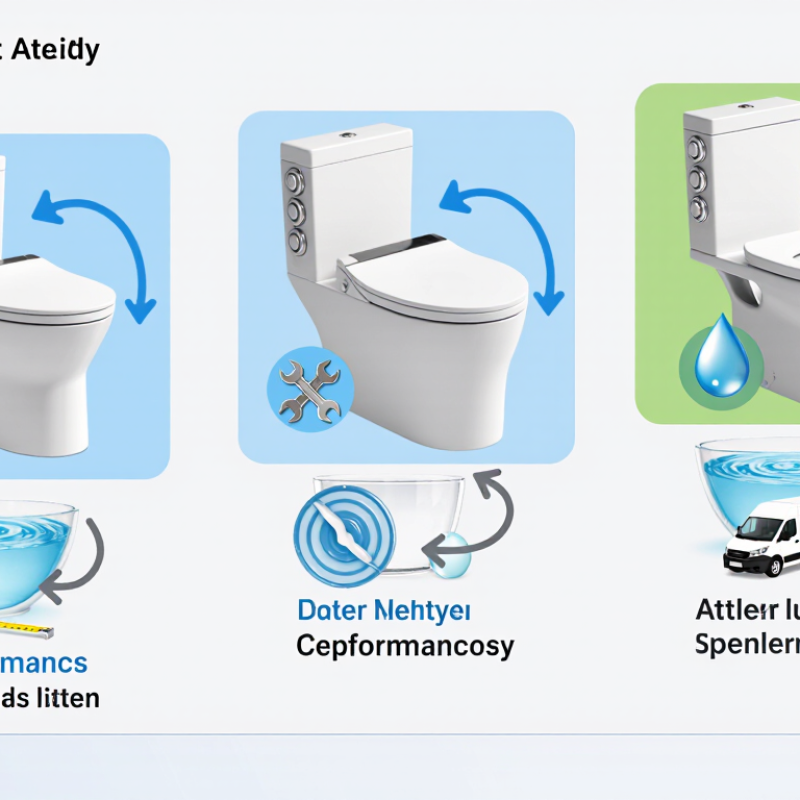
Which Tornado Toilet Is Best for Global Buyers in 2026?

What Defines a Tornado-Flush Toilet?

What Defines a Tornado-Flush Toilet?

A tornado-flush toilet directs water around the bowl in a swirling path, rather than relying only on a straight downward rush. Carefully positioned rim outlets create a circular wash that helps carry waste toward the trapway. The exact flow pattern varies by bowl design; “tornado flush” is not a single standardized engineering specification. Some models use one main outlet, while others combine several channels. The visible swirl is only part of the job. Effective waste removal also depends on the trapway shape, bowl glazing, and the amount of water released per flush.

Look for performance details, not just the name. Check the stated flush volume, cleaning coverage, and any independently verified test results. If possible, observe whether water reaches the front of the bowl and whether residue remains after flushing. That distinction matters. A strong vortex can still leave a dry patch. Installation conditions count, too: low supply pressure or an uneven floor may affect how a toilet performs in daily use. A showroom demonstration is useful, but it cannot reproduce every home’s plumbing. The term sounds precise. In practice, careful testing tells buyers more than the label alone.
How Does Tornado Flushing Work?

Tornado flushing uses angled water outlets to create a fast circular flow inside the bowl. The moving water rinses the ceramic surface while directing waste toward the trapway. In many designs, a siphon effect then helps carry waste through the drain. The exact nozzle layout and water path vary, so “tornado” does not describe one universal mechanism. That swirl matters.

A practical test is whether the bowl clears reliably with the water pressure and flush volume available at the installation site. A weak supply, poor alignment, or residue around the rim can reduce performance; even a strong flush may need a second flush under difficult conditions.

The U.S. Environmental Protection Agency’s WaterSense program reports that toilets account for nearly 30% of indoor household water use. Its WaterSense-labeled toilets use 1.28 gallons per flush or less, compared with the older 1.6-gallon federal standard. A swirling flush alone does not prove water efficiency.

Check the rated flush volume, independent performance testing, and spare-part availability. Global buyers should also consider local pressure variation and drain design.

I would not judge a toilet by a dramatic showroom flush alone. A quiet, complete rinse matters more in daily use.

Which Features Matter Most to Global Buyers?

Which Tornado Toilet Is Best for Global Buyers in 2026?

Which Features Matter Most to Global Buyers?

A tornado-style toilet should rinse the bowl evenly, not merely look powerful in a product photo. Check how water moves around the bowl and whether the design leaves dry patches near the rim. A glazed trapway can help waste pass smoothly and make routine cleaning easier. Flush performance still depends on the toilet’s design and the home’s water supply.

Fit matters just as much. Measure the rough-in, outlet position, and available space before comparing models. Water pressure and plumbing connections vary between homes, so confirm the product specifications with a qualified installer. Also consider seat height, bowl shape, and replacement-part availability. A quiet flush may suit a small apartment, while a compact footprint can help in a narrow bathroom. One feature rarely wins for every buyer; I would not judge performance from a showroom flush alone.

Tips: Ask for verified flush-test information, dimensions, water-use details, and installation requirements. Keep the measurements handy. A missing measurement can cause a frustrating delay.

How Do Regional Water and Installation Standards Affect Choice?

A tornado-flush toilet can perform differently from one region to another. Water pressure, supply connections, and drainage layout all matter. In homes with low or fluctuating pressure, check the model’s stated operating range before buying; a powerful-looking swirl does not guarantee a strong flush in every installation. Hard water can also leave mineral deposits around small rim outlets, so cleaning access and local water conditions deserve attention. Small details matter.

Measure the drain center from the finished wall, and confirm whether the outlet is designed for a floor or wall connection. Check the available space, shutoff-valve position, and required clearance before ordering. A toilet that fits a catalog diagram may still conflict with an offset pipe or an unusually thick tile floor. That detail is easy to miss. Installation standards and plumbing requirements vary, so confirm the relevant local specifications with a qualified installer rather than relying on another country’s measurements.

Some models include powered seats or other electrical features. These may require a suitable nearby outlet and protection appropriate to the room; do not assume an existing socket is suitable. Ask the installer to verify the connection and local requirements. Water-saving limits also differ by market, so compare certified flush-volume information where available. I would not choose by flush style alone: service access, spare parts, and a reliable local installation can matter just as much.

Which Tornado Toilet Is Best for Global Buyers in 2026? — How Do Regional Water and Installation Standards Affect Choice?

Market Relevant standards or frameworks Water-use considerations Installation checks What to verify for a tornado-style flush
United States EPA WaterSense criteria apply to products carrying the WaterSense label. Federal requirements and local plumbing codes also apply. WaterSense-labeled tank-type toilets use no more than 1.28 gallons per flush (4.8 liters per flush) and must meet performance requirements. Confirm the exact model’s certified status and flush volume. Check the local plumbing code, drain outlet configuration, rough-in measurement, supply connection, and available water pressure. Requirements can vary by jurisdiction and building. Look for independent performance evidence at the stated flush volume. Confirm that the bowl, trapway, and cistern are designed and tested as a matched suite.
Canada CSA B45.1 covers vitreous china plumbing fixtures; applicable provincial or territorial plumbing codes govern installation. Water-use rules and product requirements may differ by province, territory, or local program. Check the current local requirements and the toilet’s declared flush volume. Verify the local code, rough-in, outlet type, supply connection, and whether the installation requires a licensed professional. Confirm that the complete toilet suite is approved for the intended market and that its flushing performance is documented at the specified operating conditions.
European Union and European markets EN 997 covers WC pans and WC suites; EN 14055 covers flushing cisterns. National building and plumbing rules may add requirements. Do not assume one flush-volume limit applies across every country. Compare the model’s declared full and reduced flush volumes with the destination country’s rules. Check the national installation rules, pan-to-cistern compatibility, outlet arrangement, inlet connection, and service access before ordering. Confirm that the listed bowl and cistern form a tested combination; a replacement cistern may not deliver the intended swirl or flush performance with another pan.
United Kingdom Relevant frameworks include BS EN 997, the Water Supply (Water Fittings) Regulations, and the applicable Building Regulations, including Approved Document G in England. Check the applicable rules for the property and installation, as well as the model’s full and reduced flush volumes. Rules can differ across UK jurisdictions. Confirm the property’s outlet and rough-in, water-supply arrangement, and the installation requirements applicable in that nation or locality. Ask for performance data for the exact pan-and-cistern combination. A “tornado” description alone does not establish compliance or flushing effectiveness.
Australia The WELS scheme provides water-efficiency information for regulated products. AS/NZS 3500 is a key plumbing and drainage standards series; local requirements also apply. Use the product’s WELS information where applicable and check current state or territory requirements. Compare the rated water use with the needs of the site. Verify local plumbing rules, the pan outlet and set-out, inlet connection, and whether the product is suitable for the site’s supply conditions. Check that the complete suite is suitable for Australian installation and that its flush results have been tested at the stated water use.
China GB 25502-2017 specifies minimum allowable water-efficiency values and water-efficiency grades for water closets; confirm the current applicable edition and market requirements. Check the product’s declared efficiency grade and flush volume against the current requirements for the destination market and project. Confirm local plumbing requirements, outlet position, rough-in, supply connection, and compatibility with the building’s water system. Request test documentation for the exact model and flush volume. Verify that any efficiency claim and swirl-flush claim relate to the supplied configuration.
India BIS standards for sanitary appliances and applicable state or local plumbing requirements may apply. Confirm the current standard and product certification requirements for the project. Water availability and supply conditions vary substantially by location and building. Choose a stated flush volume suited to local requirements rather than assuming one national usage pattern. Check local installation rules, outlet type, rough-in, supply connection, and the actual pressure available at the toilet during operation. Request test results under the site-relevant supply conditions, and confirm that the cistern and pan are intended to operate together.
Japan JIS A 5207 covers sanitary ware; applicable building and local installation requirements should be checked for the project. Compare the model’s documented flush volumes and performance with the destination market’s current requirements and the building’s water-use needs. Verify outlet and connection compatibility, available installation space, supply connection, and local service requirements. Confirm that the model has been tested as a complete suite and that its flushing mechanism is compatible with the site’s water-supply conditions.

Buyer’s note: “Tornado” is commonly used to describe a swirling or vortex-style flush; it is not, by itself, a universal certification or performance standard. Before purchase, check the exact model’s current approvals, documented flush volume, tested performance, installation drawings, and compatibility with local water pressure and plumbing. Water pressure is site-specific, so do not infer it from the country or region alone.

How Can Buyers Compare Tornado Toilets in 2026?

When comparing tornado toilets in 2026, judge measured performance, not the swirl shown in a product video. Ask for independent flush-test results, water use per flush, and the test conditions. The U.S. EPA’s WaterSense specification sets a 1.28-gallon-per-flush limit for labeled tank toilets—at least 20% below the 1.6-gallon baseline. Treat that as a useful benchmark, not a universal global requirement. A strong flush matters, but so does reliable performance with the water pressure available at the installation site.

Check the practical fit. Measure the rough-in from the wall to the waste outlet, confirm the outlet type, and inspect the trapway and replacement-part availability. In a showroom, a quiet flush can sound impressive; at home, paper clearance and bowl rinse matter more. Test it locally. Ask suppliers for test documentation, spare-part lead times, and warranty terms in writing. Results may vary with plumbing and installation, and a single demonstration can mislead. I would compare at least two models under similar conditions, then weigh water use against serviceability—not just the most dramatic flushing claim.

How to Compare Tornado Toilets in 2026: Flush-Volume Benchmarks

Lower flush volume can reduce water use, but it does not by itself prove effective tornado-flush performance. Compare independent flushing-performance results, local certification, rough-in dimensions, and replacement-part availability before buying.

Benchmarks shown are U.S. figures: the federal maximum is 1.6 gallons per flush; the EPA WaterSense specification limit is 1.28 gallons per flush. Values are converted to liters and rounded.

Article Source:

Optimized by Optimole