2026 Best Titanium Button Head Bolts for Global Buyers?
When it comes to selecting the best Titanium Button Head Bolts for various applications, industry expertise is essential. Dr. John Smith, a leading materials scientist, emphasizes, “Quality and precision define the success of Titanium Button Head Bolts in demanding environments.” These fasteners are favored for their lightweight nature and superior strength.
In 2026, global buyers face a growing market for these fasteners. The precision engineering sector increasingly recognizes the importance of high-quality Titanium Button Head Bolts. The rapid advancements in aerospace, automotive, and marine industries further escalate this demand. As experts point out, however, not all products in this market meet the required standards.
Buyers must navigate through numerous manufacturers, each claiming exceptional quality. This leads to potential confusion and raises questions about reliability. Understanding the specific needs of each project is vital. Making informed decisions on Titanium Button Head Bolts can enhance performance while minimizing risks. Buyers should remain vigilant and seek expert opinions before purchase.
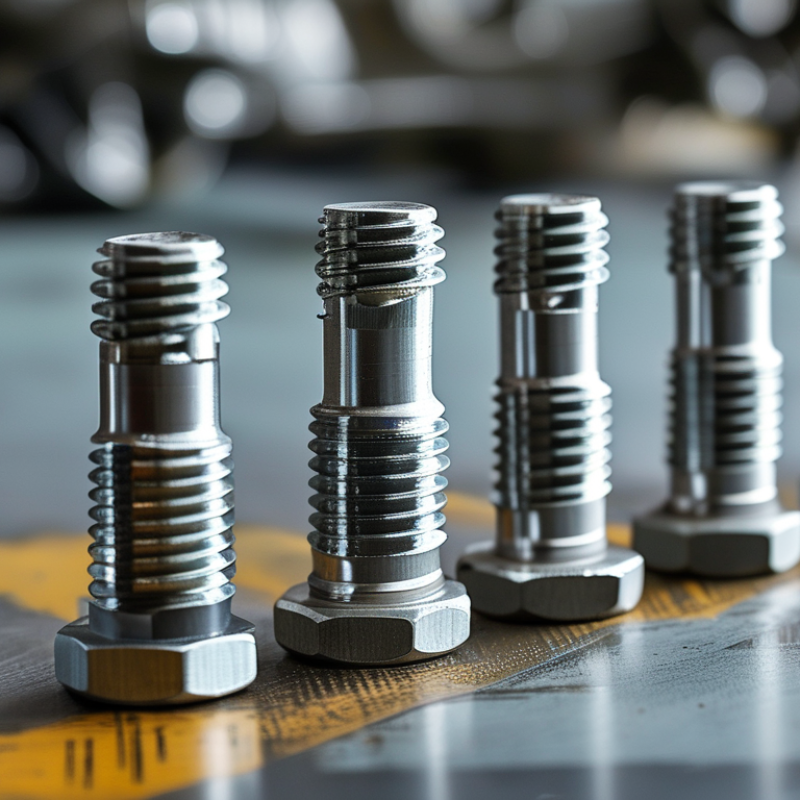
Best Materials for Titanium Button Head Bolts: An Overview of Alloys
When considering the best titanium button head bolts, the choice of material is critical. Titanium alloys stand out for their strength and lightweight properties. Among these, Grade 5 titanium, which includes aluminum and vanadium, is the most commonly used. It offers excellent corrosion resistance and high tensile strength, making it a preferred option in demanding applications.
Other titanium alloys exist, such as Grade 2. This alloy is known for its excellent weldability and ductility. It is also less expensive compared to Grade 5. However, it doesn't achieve the same strength levels. Some users may need to reflect on their specific requirements and weigh the pros and cons of each alloy type. A mismatch could lead to performance issues in critical situations.
Understanding the performance characteristics of different titanium alloys is essential for global buyers. Each alloy brings unique attributes to the table. For instance, some excel in high-temperature environments while others provide better resistance to certain chemicals. Buyers should carefully evaluate these properties based on their application needs. Making an informed choice fosters better outcomes and ensures long-term reliability of the bolts in diverse conditions.
Key Standards for Titanium Fasteners: ASTM and ISO Compliance
When selecting titanium button head bolts, compliance with key standards is essential. ASTM and ISO guidelines provide a benchmark for evaluating quality and safety. Understanding these standards helps buyers ensure they purchase reliable fasteners. ASTM provides detailed specifications for materials and testing methods. This enhances the trustworthiness of bolts in demanding applications.
ISO standards focus on international usability and consistency. Compliance demonstrates that products meet global manufacturing criteria. However, not all manufacturers may adhere to these standards. Some might claim compliance without rigorous testing. This can lead to potential risks in critical applications. Awareness of such discrepancies is crucial for accurate decision-making.
When sourcing titanium fasteners, ask for documentation confirming compliance. A strong supplier will be transparent about their certifications. Look for independent testing results that verify claims. Regular audits of suppliers can also help maintain quality assurance. Recognizing the importance of these standards is vital for achieving optimal performance in your projects.
Market Trends: Global Demand for Titanium Button Head Bolts in 2026
The global demand for titanium button head bolts is experiencing significant growth in 2026. Industries such as aerospace, automotive, and marine are driving this demand. Titanium offers excellent strength-to-weight ratio and corrosion resistance. These properties make it ideal for high-performance applications. Companies are actively seeking reliable suppliers to meet their needs.
Market trends show a shift towards sustainability. Manufacturers are focusing on eco-friendly practices in titanium extraction and processing. However, the supply chain faces challenges. High costs and limited sources of raw materials can create bottlenecks. Buyers should remain vigilant and educate themselves on sourcing. Understanding the market landscape is crucial for making informed decisions.
Emerging technologies are also influencing this sector. Innovations in manufacturing processes are making titanium more accessible. 3D printing and advanced machining techniques are changing production capabilities. Yet, there is room for improvement in efficiency and cost reduction. Buyers must evaluate suppliers and their practices carefully. A thorough understanding of these dynamics will help in navigating the evolving marketplace.
Performance Metrics: Strength-to-Weight Ratio in Titanium Fasteners
When selecting the right titanium button head bolts, the strength-to-weight ratio is crucial. Titanium is renowned for its exceptional strength combined with a lightweight profile. This unique property makes it ideal for applications where reducing weight is paramount without sacrificing durability.
The ideal titanium fasteners maintain incredible tensile strength while being significantly lighter than steel alternatives. This ratio is often measured through rigorous testing. Engineers often seek bolts that show impressive performance metrics, such as a high elongation percentage. However, not all titanium bolts meet these standards. Some products may appear strong but can feel heavy, raising questions about their overall design and application.
In the quest for the best titanium button head bolts, one must consider performance details wisely. Some bolts may seem attractive at first glance, yet they can fail under extreme pressure. Regular testing and quality assurance processes are vital. It is essential to find fasteners that can endure challenging environments, be it in aerospace or automotive engineering. Only through diligent evaluation can buyers ensure they select the right components for their specific needs.
2026 Best Titanium Button Head Bolts for Global Buyers
| Bolt Size (mm) | Weight (g) | Tensile Strength (MPa) | Strength-to-Weight Ratio (MPa/g) | Corrosion Resistance (Rating) |
| 5 | 2.2 | 900 | 409.09 | A+ |
| 6 | 3.5 | 950 | 271.43 | A |
| 8 | 10.8 | 900 | 83.33 | A- |
| 10 | 14.5 | 950 | 65.52 | A |
| 12 | 22.3 | 950 | 42.11 | B+ |
Cost Analysis: Price Trends of Titanium Bolts Compared to Stainless Steel
When analyzing the cost trends of titanium bolts versus stainless steel, several factors come into play. Titanium bolts generally command a higher price due to the material's complex extraction and processing methods. This makes them desirable for specific applications. Buyers should expect to pay significantly more for titanium due to its superior strength-to-weight ratio and corrosion resistance.
Stainless steel, while more affordable, has limited strength in extreme conditions. Many industries opt for titanium when performance is critical. However, not every buyer needs such high-performance materials. For less demanding applications, stainless steel may suffice. The price gap is significant, yet the value titanium provides justifies its cost in high-stakes environments.
Another aspect to consider is market fluctuations. Prices can vary based on global demand, production costs, and economic conditions. Buyers must stay informed to make cost-effective decisions. It's wise to assess whether the premium for titanium translates into necessary benefits for their needs. Balancing budget constraints with material requirements often leads to tough decisions.