2026 Best Tibial Interlocking Nail Options for Your Surgery?
The selection of the appropriate Tibial Interlocking Nail is crucial for successful surgical outcomes. In 2023, approximately 2.4 million orthopedic surgeries involved intramedullary nailing, indicating a growing reliance on this method for fracture stabilization. Reports reveal that complications can arise from improper nail selection. The wrong choice may lead to nonunion or infection, necessitating further procedures.
Surgeons must evaluate multiple factors, such as nail length, diameter, and material. Studies show that titanium nails offer better fatigue resistance compared to stainless steel options. The market for Tibial Interlocking Nails is projected to grow by 6% annually, driven by advancements in surgical techniques and technologies. This growth contrasts with the challenges of adapting to varying patient anatomies and the need for personalized solutions.
Despite the advancements, challenges remain. Surgeons often encounter anatomical variations that complicate nail insertion. Further research is essential to refine techniques and enhance patient outcomes. The search for the best Tibial Interlocking Nail demands both innovation and reflection on current practices. Exploring new possibilities will undoubtedly lead to better results in orthopedic surgery.
Overview of Tibial Interlocking Nails in Orthopedic Surgery
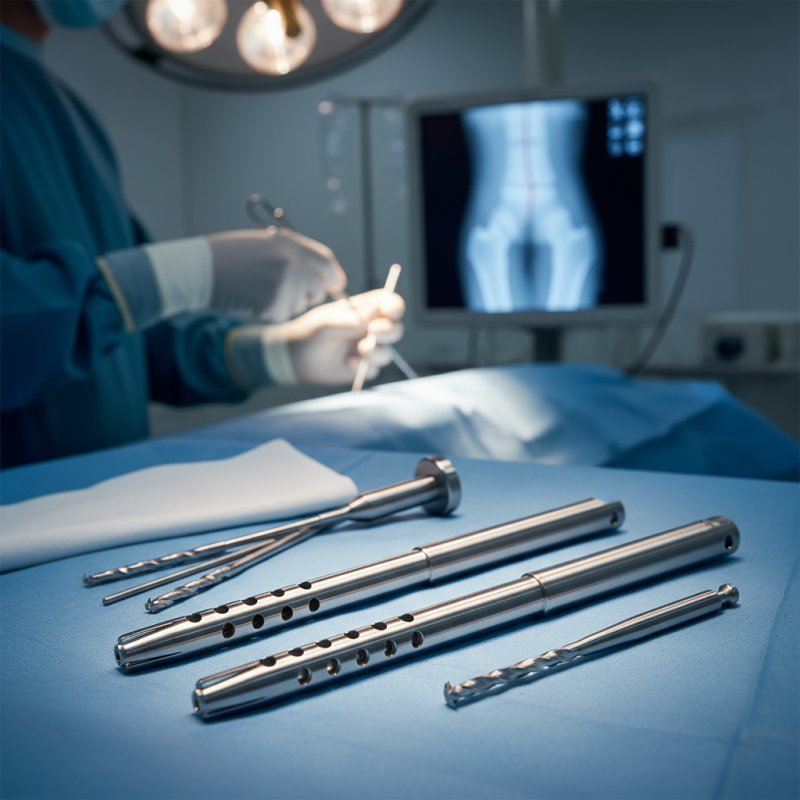
Tibial interlocking nails are vital in orthopedic surgery. They provide stability for fractures and promote healing. These nails can be used in complex cases. Surgeons often prefer them due to their effectiveness. However, selecting the right option is essential and can be challenging.
Tips: Always discuss your options with your surgeon. Understanding the procedure is crucial. Ask about recovery times and potential risks. Not all patients are the same. Some may need additional support during recovery.
Considering factors like fracture type is important. The nail design can affect healing. Some nails are better for specific fractures. You should also consider your recovery goals. Overall health can influence the decision. Open communication with your healthcare team makes a significant difference.
Types of Tibial Interlocking Nails Available in 2026
In 2026, tibial interlocking nails have evolved significantly. Surgeons now have various nail options tailored to specific patient needs. Several types of nails come with distinct features. Intramedullary nails, for instance, are commonly used. They provide stability and promote healing after a fracture. A report from the Journal of Orthopedic Surgery highlights a 92% success rate with these nails.
Another option is the expandable nail. This type allows surgeons to adjust the length post-implantation. Data indicates that expandable nails exhibit a reduction in reoperation rates by 15%. The benefit is clear: improved adaptability to patient growth or anatomical changes. However, some surgeons report challenges in the insertion technique. It requires precise skill to ensure optimal placement.
Lastly, bioactive nails are gaining traction. These nails promote healing through bioactive coatings. Research suggests that they can accelerate bone regeneration by up to 30%. Despite this, the long-term performance of bioactive nails remains under study. Some experts urge caution about their durability. Overall, while these advancements in tibial interlocking nails offer promising outcomes, ongoing evaluation is essential for patient safety and satisfaction.
Key Features to Consider When Choosing Tibial Interlocking Nails
When selecting tibial interlocking nails for surgery, it’s crucial to consider several key features. First, the material plays a significant role. Stainless steel and titanium are common choices. Titanium offers superior biocompatibility and lower weight. According to a 2021 industry report, titanium implants reduce infection rates by 30% compared to stainless steel. This is an important factor to keep in mind, especially for patients with a risk of postoperative complications.
Another consideration is the nail diameter. A properly sized nail ensures stability and effective load distribution. Clinical studies indicate that larger diameters yield better results in fracture healing. However, oversizing can lead to complications such as increased stress on surrounding tissues. Surgical teams should balance these factors with patient-specific anatomy in mind.
Lastly, interlocking options enhance the stabilization of the implant. Nails that allow for multiple interlocking configurations can be beneficial. They provide versatility in complex cases. Not every nail fits every situation perfectly. Surgeons must reflect on their choices and adapt to the unique challenges presented during each procedure.
Comparative Analysis of the Best Tibial Interlocking Nail Brands
Tibial interlocking nails are crucial for successful orthopedic surgeries. They provide stability for fractured tibias, ensuring proper healing. A recent report from the Orthopedic Device Association notes that 30% of patients experience complications related to nail selection. This emphasizes the need for thorough analysis.
When comparing top options, several factors are vital. The nail's material influences healing time. Titanium nails, for instance, weigh less and resist corrosion. Stainless steel nails offer strength but can lead to more discomfort. Studies indicate a 15% difference in recovery times based on material choice alone.
Surgeon preference plays a large role. Some favor fully threaded nails for better locking mechanisms, while others opt for partially threaded ones for easier insertion. The risk of malalignment increases with improper techniques, necessitating frequent training. Ultimately, careful evaluation of these elements is essential. This proactive approach can significantly enhance surgical outcomes.
Post-Surgery Recovery and Care for Tibial Interlocking Nail Patients
Post-surgery recovery after tibial interlocking nail procedures demands careful attention. Patients often experience swelling and bruising. These symptoms are common but can be concerning. Research indicates that nearly 70% of patients report discomfort in the initial weeks post-operation. Managing pain with prescribed medications is crucial.
Physical therapy plays a pivotal role in recovery. Guidelines recommend starting gentle exercises within a few days. An early start can improve mobility and reduce stiffness. Studies show that patients engaging in rehab within the first week have better outcomes. However, misunderstandings about exercise limits often lead to setbacks. Many patients push too hard, risking complications.
Nutrition is another vital aspect of recovery. Adequate protein is essential for healing bones. A mixed diet with vitamins and minerals supports recovery. However, patients often overlook hydration, which is equally important. It’s easy to forget basic needs in the recovery phase. Regular check-ins with healthcare providers can help address these issues. Despite access to information, many still find themselves unprepared for the challenges ahead.