2026 Best Synthetic Mica Powder Uses and Benefits Explained?
In recent years, synthetic mica powder has gained immense popularity in various industries. This finely milled mineral offers unique benefits, making it a preferred choice for cosmetics and personal care products. According to a report by Grand View Research, the global synthetic mica market was valued at over $70 million in 2021, showcasing significant growth potential.
Experts emphasize the importance of synthetic mica powder in achieving desirable product quality. Dr. Emily Chen, a leading researcher in the materials science field, highlights, "Synthetic mica powder's versatility sets a standard for innovation in cosmetic formulations." This insight underscores its critical role in shaping modern beauty products.
Despite its advantages, the synthetic mica powder industry faces challenges. Sourcing high-quality materials and ensuring sustainable production practices remain concerns. As demand increases, companies must be vigilant about their sourcing strategies. Embracing transparency will be vital for future growth in this evolving market.
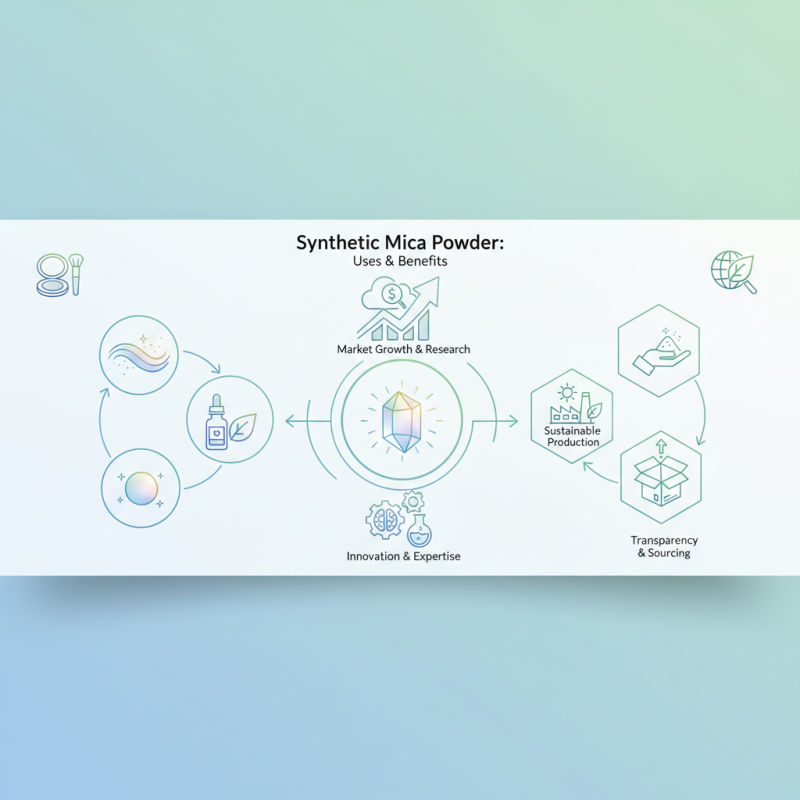
Overview of Synthetic Mica Powder and Its Composition
Synthetic mica powder is a mineral-based product that resembles natural mica. It has a consistent particle size and purity. This makes it ideal for various applications. Synthetic mica consists mainly of silicate minerals. Its unique composition allows for excellent light reflection and absorption.
In cosmetics, synthetic mica adds shimmer and glow to products. It enhances the visual appeal without the potential impurities found in natural mica. Many formulations use synthetic mica for a smooth texture. In paints and coatings, it offers resistance to weathering. However, it is essential to evaluate the source and production methods. Some processes may impact sustainability.
The use of synthetic mica is expanding in the electronics industry. It serves as an insulator and enhances the durability of components. Yet, the environmental impact of production needs careful consideration. Companies should focus on refining their processes for better ecological responsibility. This balance between innovation and sustainability is crucial.
Key Applications of Synthetic Mica Powder in Various Industries
Synthetic mica powder is gaining popularity across industries. It serves as a key ingredient in cosmetics. Its fine particle size and unique sheen enhance makeup formulations significantly. The powder offers a soft-focus effect, which helps to blur imperfections on the skin. Many industries appreciate its appeal in product design.
In the paint and coatings sector, synthetic mica powder provides excellent performance. It improves the durability and aesthetic of paints. The powder adds a shimmering quality, enhancing visual appeal. Some manufacturers, however, struggle with consistency in particle size, which can impact final product performance.
Additionally, synthetic mica is used in plastics and rubber applications. It enhances the mechanical properties of these materials. Yet, the sourcing of high-quality synthetic mica can pose challenges. Companies need to ensure reliable suppliers to maintain quality. Synthetic mica's versatility is impressive, but it requires careful consideration in production.
Benefits of Using Synthetic Mica Powder in Cosmetics
Synthetic mica powder has gained popularity in cosmetics due to its unique qualities. It enhances the texture of products, providing a silky, smooth finish. This powder can create a radiant glow on the skin, making it a favorite in highlighters and illuminating creams. Its ability to reflect light helps in creating a youthful appearance.
Furthermore, synthetic mica is often preferred over natural mica for its consistency and purity. It comes without the impurities sometimes found in natural sources. This factor raises concerns about the environmental impact and ethical sourcing of natural mica. Still, some argue that reliance on synthetic alternatives may disconnect the cosmetic industry from sustainable practices.
Another notable benefit of synthetic mica is its versatility. It can be found in powders, creams, and even lip products. However, some users may find its texture heavier than desired. The varying particle size allows formulation flexibility, but it requires careful balancing to avoid a cakey appearance. Ultimately, synthetic mica powder serves as a valuable ingredient, but its use demands consideration of both effectiveness and sustainability.
Environmental Impact of Synthetic Mica Powder Production
The production of synthetic mica powder has raised significant environmental concerns. Synthetic mica is often sourced from mining operations, which can lead to habitat destruction. These operations sometimes utilize chemicals that may pollute local water sources. These impacts can affect biodiversity and local communities that depend on these ecosystems.
Sustainable practices are essential in reducing the environmental footprint of mica production. Manufacturers should consider using eco-friendly techniques during production. This includes recycling water and using less harmful chemicals.
Tips for consumers: Look for products that mention sustainable sourcing. Support companies that prioritize the environment in their manufacturing processes. Be mindful of the products you use. Choose brands that provide transparency about their mica supply chain. Environmental responsibility must remain a priority as we demand more sustainable cosmetics.
2026 Best Synthetic Mica Powder Uses and Benefits
This chart illustrates the various uses of synthetic mica powder and their relative benefits as of 2026. Synthetic mica powder is utilized in cosmetics, paints, plastics, and pharmaceuticals due to its unique properties like shimmer, opacity, and light reflectiveness.
Comparison of Synthetic Mica vs. Natural Mica: Pros and Cons
When comparing synthetic mica and natural mica, several factors come into play. Synthetic mica is produced in a controlled environment, ensuring quality and uniformity. This quality control can lead to better-performing products in cosmetics and paints. Studies have shown that synthetic mica has a lower risk of impurities, giving it an edge in safety and consistency. Data from the Specialty Chemicals market indicates that the synthetic mica market is projected to grow significantly, driven by demand for high-quality personal care products.
On the flip side, natural mica has its own advantages. It is sourced from the earth and offers unique properties valued in applications like electronics and automotive paints. However, the mining processes raise ethical and environmental concerns. Reports suggest that natural mica mining often involves child labor and environmental degradation. While natural mica has a distinct shimmer that many prefer, the panel of experts advises careful consideration of its sourcing practices. Balancing the benefits of performance and ethical sourcing is essential for consumers.
In many cases, brands are caught between cost and ethics. Synthetic mica appears to solve some of these issues, yet it can lack certain aesthetic qualities found in natural mica. Choosing between the two depends on the specific application and individual values.