2026 Best PVC Ceiling Panels for Interior Spaces Why Choose Them?
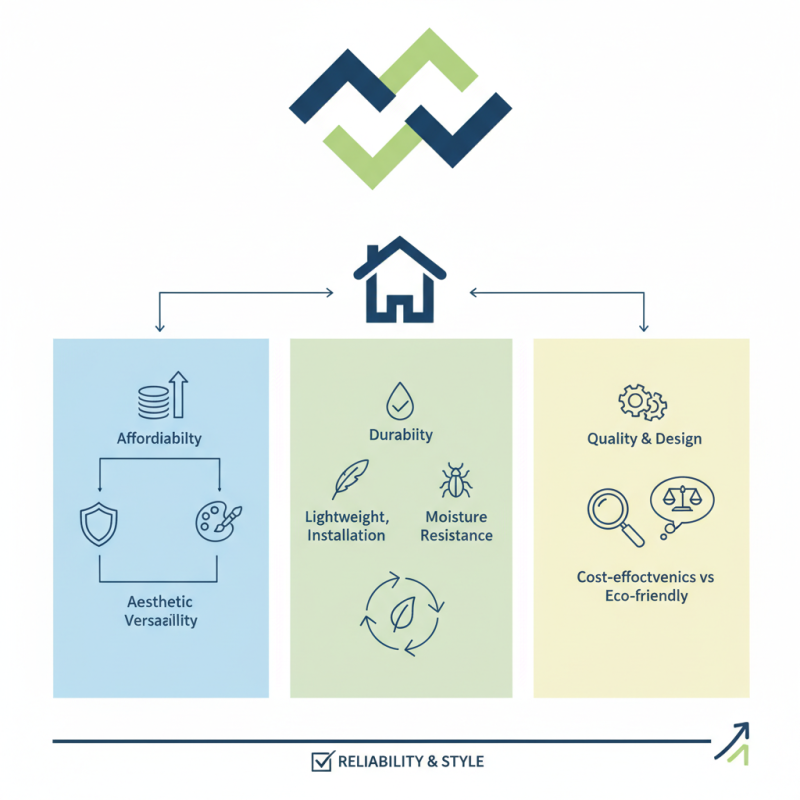
In recent years, the demand for PVC ceiling panels for interior spaces has surged significantly. According to a report by the Building Materials Association, the market for these panels is expected to reach $5 billion by 2025. This growth can be attributed to their affordability, durability, and aesthetic versatility. Renowned expert Dr. Lisa Hartman, a leading figure in building materials, states, "PVC ceiling panels merge functionality with style, transforming spaces effortlessly."
Homeowners and designers alike have recognized the benefits of PVC panels. They are lightweight, easy to install, and resistant to moisture and pests. Yet, some may question their long-term impact on interior design. While they provide modern aesthetics, continuous innovation is necessary for even greater sustainability. The challenge lies in balancing cost-effectiveness with environmentally friendly practices.
Choosing the right PVC ceiling panels requires consideration of quality and design. Many options exist that may not meet standards, leading to potential frustrations in the future. This article explores the best PVC ceiling panels for 2026, showcasing selections that embody reliability and style while urging readers to reflect on their choices.
Benefits of PVC Ceiling Panels in Modern Interior Design
PVC ceiling panels have surged in popularity in modern interior design due to their numerous benefits. These panels are lightweight, which means they are easier to install compared to traditional materials. Homeowners appreciate this aspect, especially during renovations. Moreover, PVC panels are water-resistant, making them ideal for areas like kitchens and bathrooms. They do not warp or mold, maintaining their appearance over time.
In addition to practicality, they offer impressive aesthetic versatility. PVC ceiling panels come in various styles, colors, and textures. This diversity allows homeowners to tailor their spaces according to personal tastes. Some may prefer a sleek, modern look, while others might opt for a classic feel. However, it's crucial to choose the right design that complements the overall theme of the room. Overwhelming patterns can sometimes detract from other design elements.
Furthermore, these panels are low-maintenance. A simple wipe with a damp cloth can keep them looking fresh. Still, the installation process must be approached with care and attention. Mistakes in measuring or aligning can lead to a subpar finish. Reflecting on the planning stages can save time and resources. Balancing beauty with functionality is key in making the right choices for any interior space.
Cost-Effectiveness: Comparing PVC Panels to Traditional Materials
When considering cost-effectiveness, PVC ceiling panels stand out against traditional materials. PVC is often lighter and easier to install. It requires less labor and time to mount, which ultimately reduces overall project costs. Unlike wood or plaster, PVC does not need regular maintenance or painting. Homeowners can save money over time with its durability.
However, some may argue that traditional options like wood offer a more classic aesthetic. This perception can cause hesitation. Yet, when comparing the lifespan and upkeep of PVC with wood, the latter involves higher long-term expenses. Water and mold resistance of PVC is another notable factor. This attribute minimizes repair costs due to potential water damage.
PVC is also versatile in design. It can mimic various textures and appearances. This helps fulfill aesthetic preferences without the usual price tag of high-end materials. While PVC might not resonate with every individual, its practicality and affordability make it a worthy option for many settings.
Cost-Effectiveness of PVC Ceiling Panels vs Traditional Materials
This chart compares the average cost per square foot of PVC ceiling panels against traditional materials like drywall, wood panels, and acoustic tiles. As seen, PVC panels are significantly more cost-effective, making them an appealing choice for interior spaces.
Durability and Maintenance of PVC Ceiling Panels: An Industry Overview
PVC ceiling panels are gaining popularity due to their exceptional durability and low maintenance requirements. According to a recent industry report, these panels can last over 20 years, significantly outlasting traditional materials like wood or plaster. They are resistant to moisture and pests, making them ideal for various environments, including bathrooms and kitchens.
Maintenance is also minimal. Cleaning typically involves a simple wipe-down with a damp cloth and mild detergent. A study highlighted that facilities using PVC ceilings report reduced maintenance costs by up to 30% over time. This efficiency is particularly valuable for commercial spaces where upkeep can be costly and labor-intensive.
Yet, it's important to note that while PVC panels are resilient, they are not entirely indestructible. They can become damaged from impact or extreme heat. Regular inspections are necessary to identify any issues early. Balancing the advantages against potential drawbacks ensures informed choices for interior spaces.
2026 Best PVC Ceiling Panels for Interior Spaces
| Feature | PVC Ceiling Panel A | PVC Ceiling Panel B | PVC Ceiling Panel C |
| Thickness | 8 mm | 10 mm | 12 mm |
| Weight (per panel) | 2 kg | 2.5 kg | 3 kg |
| Color Options | White, Blue | White, Grey, Black | White, Beige, Brown |
| Fire Rating | Class B | Class A | Class B |
| Water Resistance | Yes | Yes | Yes |
| Maintenance | Low | Medium | Low |
The Aesthetic Versatility of PVC Ceiling Panels in Various Spaces
PVC ceiling panels are gaining popularity for their aesthetic versatility. They offer a soft, modern touch to various interior spaces. These panels come in different designs and colors. Some mimic wood, while others feature sleek, solid finishes. The options allow homeowners to express their creativity.
In a kitchen, PVC panels can brighten the space. Their water-resistant qualities make them practical too. In a cozy living room, they can add warmth when choosing a wood-like finish.
Flexibility in design is a significant advantage. However, not all installations may go smoothly. In some cases,
improper fitting can lead to visible seams. This is a factor to consider.
In commercial spaces, durability holds importance. PVC panels can withstand high traffic. Yet, overuse in a single color might create a monotonous look. A thoughtful design can prevent this pitfall.
Pairing different textures can make the environment more inviting. Balancing practicality and beauty is essential to achieve an appealing interior design.
Environmental Considerations: PVC Recycling and Sustainability Efforts
When selecting PVC ceiling panels, environmental impact is a significant factor. The material itself is made from polyvinyl chloride, which raises questions about sustainability. However, the recycling potential of PVC offers a glimmer of hope. This material can be recycled into new products, reducing waste and conserving resources. It is crucial to know the recycling practices in your area. Not all regions have facilities that accept PVC for recycling.
Efforts in sustainability are growing within the PVC industry. Companies are focusing on producing PVC panels with a lower environmental footprint. They promote energy-efficient manufacturing processes. This shift is vital as consumers become more conscientious about their choices. Looking for certifications related to sustainability can guide consumers toward responsible options. Yet, the perception of PVC as harmful still exists. There is ongoing debate about its lifecycle and environmental effects.
While PVC ceiling panels come with advantages, awareness of their broader impacts is essential. Engaging in discussions about materials is crucial for environmentally friendly choices. As the industry evolves, it’s up to consumers to demand better solutions. This balance between practicality and sustainability remains a work in progress. Each choice we make contributes to a larger narrative on environmental responsibility.