Best PVC Carport for Your Vehicle Protection Needs?
When considering vehicle protection, a PVC Carport stands out as an effective solution. According to the Outdoor Industry Association, the demand for carports surged by 25% over the past five years. This growth reflects increasing awareness of vehicle care amidst environmental pressures. PVC carports offer a budget-friendly and durable alternative to traditional garages, providing shelter from adverse weather.
Investing in a PVC carport not only protects vehicles from harsh sunlight and rain but also enhances property aesthetics. Research indicates that UV rays can cause significant damage to paintwork. A PVC carport reduces this risk, prolonging the lifespan of your vehicle. However, choosing the right carport requires careful consideration of various factors, such as size and material quality.
Some may overlook the installation process, which can complicate the user experience. Proper set-up ensures maximum protection, making it crucial to follow guidelines. A PVC carport may not be suitable for every situation; an understanding of your vehicle's needs is essential. Making an informed choice is the key to effective vehicle protection.
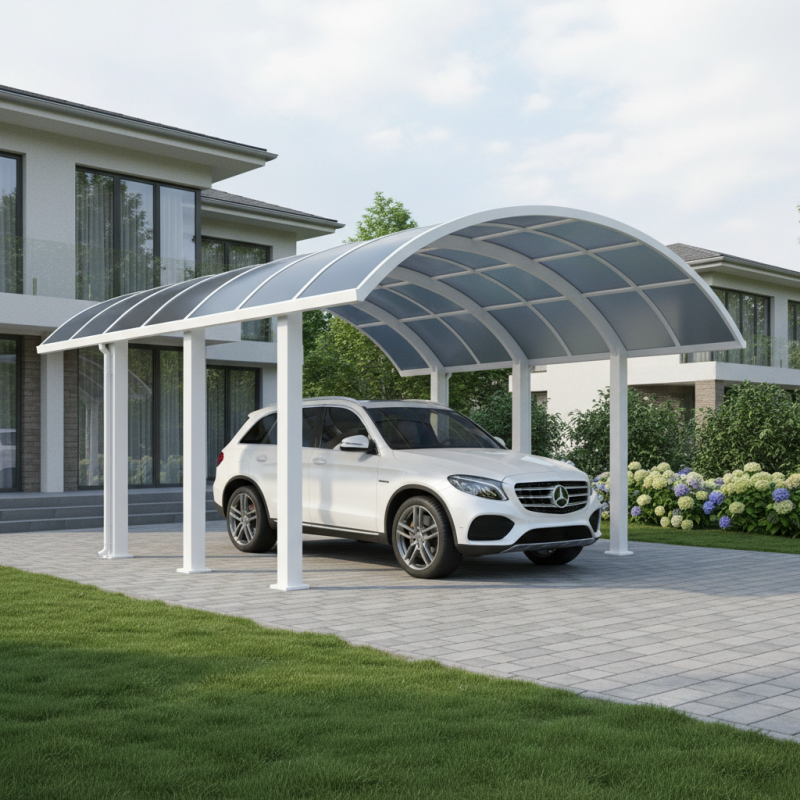
Understanding PVC Carports: Key Features and Benefits
When considering a PVC carport, understanding its key features and benefits is crucial. PVC carports offer lightweight but robust protection for vehicles. They are resistant to corrosion, UV rays, and harsh weather. Reports indicate that vehicles parked under such shelters are less prone to damage from falling debris or severe weather conditions. A study showed that vehicles exposed to direct sunlight can suffer from paint fading and interior damage over time.
Another significant benefit of PVC carports is their ease of installation. Users often appreciate the straightforward assembly process, typically requiring minimal tools. A report from the National Association of Home Builders found that DIY installations are popular among homeowners, with 60% opting for self-assembly. This trend reflects a growing appetite for practical and cost-effective solutions in vehicle protection. However, it’s worth noting that improper installation may lead to structural issues, compromising safety and durability.
Durability is also a critical factor. Many PVC carports are designed to withstand various environmental conditions. However, not all products are made equally. Consumers should be cautious and research the material quality and manufacturer ratings thoroughly. Data shows that carports with reinforced frameworks tend to last longer, with average lifespans of 10 to 15 years. Investing time in understanding these factors can lead to a more satisfactory choice.
Best PVC Carport for Your Vehicle Protection Needs?
| Feature | Description | Benefit |
| Material | Durable PVC fabric | Weather-resistant, long-lasting |
| Size Options | Various sizes available | Fits different vehicle sizes |
| Installation | Easy to assemble | Quick setup, minimal tools required |
| UV Protection | Blocks harmful UV rays | Protects vehicle paint and interior |
| Versatility | Can be used for multiple purposes | Ideal for camping, storage, and more |
| Maintenance | Low maintenance requirements | Saves time and costs |
Types of PVC Carports: Which Style Suits Your Vehicle?
When choosing a PVC carport, consider the various styles available. Each type offers unique benefits tailored to specific vehicle protection needs. A popular option is the freestanding carport, ideal for those with multiple vehicles. According to a recent industry report, these structures can withstand winds of up to 90 mph, ensuring durability during harsh weather. However, remember that installation can be challenging without professional help.
Another option is the attached carport, which connects directly to a building. This style provides convenient access but may limit space for larger vehicles. A well-designed attached carport can increase property value by up to 15%. However, if you live in areas with heavy snowfall, the roof design must be considered to prevent any potential collapse.
Tips: Ensure proper drainage around the carport base to avoid water pooling. Regular maintenance checks can extend the life of your carport significantly. When selecting materials, opt for UV-resistant options to prevent fading and deterioration over time. By weighing these elements, you can find the best PVC carport for your vehicle's needs. Keep in mind that not all designs are equally sturdy or suitable for every environment.
Factors to Consider When Choosing a PVC Carport
When selecting a PVC carport, several factors are vital for effective vehicle protection. The durability of materials is paramount. Studies show that high-quality PVC can withstand harsh weather conditions, including heavy rain and UV rays. Reports indicate that UV-resistant carports last up to 50% longer than standard options. This longevity reduces overall costs over time.
Another crucial consideration is size. A well-fitted carport provides better protection. A carport that is too small could lead to vehicle damage. According to industry experts, most vehicles require at least 12-14 feet in width and 20 feet in length for adequate coverage. Additionally, assess the design and height of the structure. Poorly designed carports may not allow proper drainage, leading to water pooling.
Installation complexity is also a concern. DIY kits might seem appealing but can lead to frustrations. Improper installation compromises stability. Reports highlight that nearly 30% of carports are not installed correctly, weakening their structural integrity. This underscores the importance of expert installation. Each of these aspects warrants careful thought to ensure your PVC carport meets your protection needs effectively.
Best PVC Carport Options for Vehicle Protection
Top Brands for PVC Carports: A Comparative Review
When it comes to protecting your vehicle, choosing the right PVC carport is essential. Various brands offer distinct features and benefits. Knowing which ones provide the best quality can be challenging. A good carport should withstand harsh weather and provide adequate space. If you live in an area with heavy rain or snow, consider models that include reinforced frames. These designs enhance stability and longevity.
Some brands focus on lightweight structures, making them easy to assemble. Others emphasize durability, using thicker PVC materials that resist tearing. It's worth noting that the more durable models might be heavier and pricier. Balancing cost and quality can be tricky. It's also essential to check user reviews for real-world experiences. Some designs claim easy installation but may leave users struggling. Real feedback reveals if they truly meet expectations.
Consider the carport size as well. A small model may save space, but it might not accommodate larger vehicles. Those issues could lead to dissatisfaction in the long run. Choosing the right carport requires careful thought. Factors like material thickness, warranty, and customer service can influence your decision. Take time to reflect on your vehicle's needs and weather conditions. Ultimately, the right choice will offer the protection you desire while complementing your property.
Installation and Maintenance Tips for Your PVC Carport
When considering the installation of a PVC carport, proper planning is crucial. Research indicates that nearly 40% of carport failures occur due to improper installation (source: National Association of Home Builders). Begin by assessing your site’s ground conditions. Ensure the area is level and free of debris. This helps to prevent structural issues down the line. Adequate anchoring is also critical; securing posts in concrete can improve stability.
Maintenance of your PVC carport shouldn’t be overlooked. Industry statistics show that 25% of carports require repairs because of neglect (source: Automotive Care Association). Regular inspections for leaks and cracks will prolong its life. Use a gentle soap solution for cleaning. Harsh chemicals may degrade the PVC materials, leading to faster deterioration. Paying attention to these details can save expenses in the future. A proactive approach often reveals slight issues before they become major problems, allowing for timely repairs.