10 Best Prefab Container Houses for Affordable Living Solutions?
In recent years, the demand for affordable housing has surged. With the rising costs of traditional homes, many are turning to innovative solutions. Among them is the Prefab Container House, an exciting alternative for budget-conscious individuals. According to a report from the World Bank, nearly 1.6 billion people lack adequate housing globally. This statistic underscores the urgency for affordable living options.
Experts highlight the appeal of the Prefab Container House. Mark Johnson, a leading architect in sustainable design, states, “These homes are not just cost-effective; they are environmentally friendly." This reflects a growing awareness of both economic and ecological factors. Prefab container homes often use recycled materials, making them a responsible choice.
Despite their advantages, there are challenges to consider. Not every design will suit individual needs or local regulations. Buyers should research and plan thoroughly to ensure their container home meets their expectations. Prefab Container Houses offer a promising solution, yet they are not a one-size-fits-all approach. Embracing this trend requires careful thought and reflection.
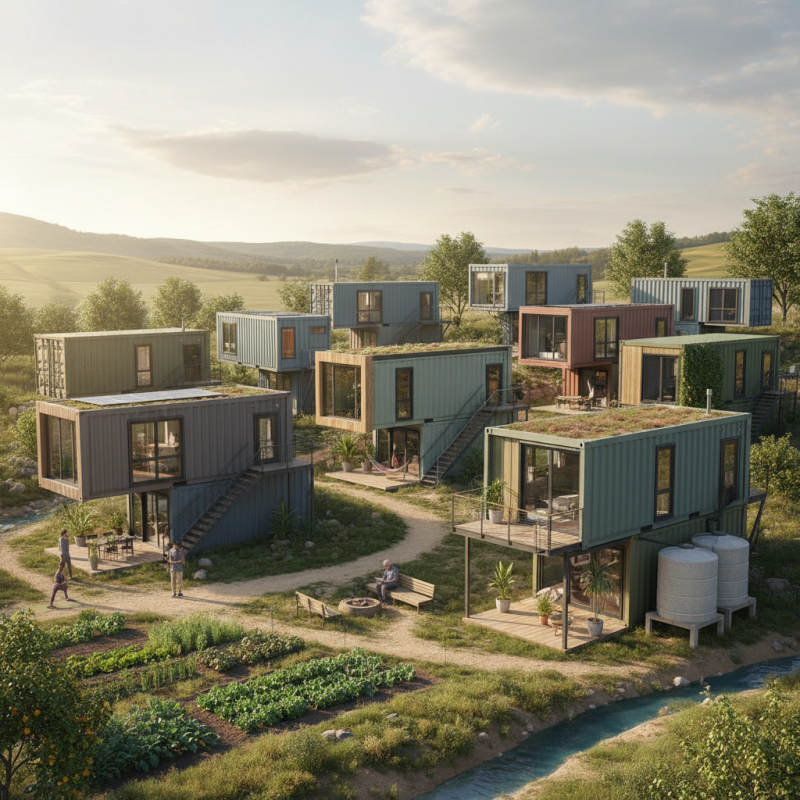
Overview of Prefab Container Houses and Their Benefits
Prefab container houses are emerging as a popular solution for affordable living. These structures are often made from repurposed shipping containers, making them eco-friendly and budget-friendly. Their unique design offers flexibility. You can customize size and layout based on your needs.
Living in a container house can be a refreshing experience. However, some might find the space restrictive. Creativity is essential when furnishing. You may need to prioritize essential items. The benefits include durability and low maintenance requirements. These homes can withstand harsh weather.
Container houses often require less time to build. This can save costs on labor. Yet, challenges like insulation and ventilation should be considered. It’s important to keep these factors in mind while planning. Many people report feeling a strong connection to their environment when living in a container home.
Top Features to Consider When Choosing a Container House
When selecting a prefab container house, consider its insulation. Proper insulation keeps the space warm in winter and cool in summer. Look for materials that suit your climate. Different climates require different insulation types. This can significantly affect your comfort levels.
Next, think about layout and space utilization. Container houses can be creatively designed. However, they often come with limited space. Open floor plans may enhance the sense of roominess. Multipurpose furniture can also maximize functionality. Consider how you would live in that space daily.
Natural light can transform a compact space. Large windows create an inviting atmosphere. They also reduce reliance on artificial light. However, you should balance window placement with privacy concerns. Assess your surroundings carefully to maintain comfort.
List of the 10 Best Prefab Container Houses for Affordable Living
Prefab container houses are gaining traction as an innovative solution for affordable living. These structures offer unique designs and quick assembly. A recent industry report noted that the global modular construction market is projected to grow to $157 billion by 2023. This growth reflects the increasing demand for efficient housing solutions.
When considering prefab container houses, it’s essential to think about sustainability. Many of these homes use recycled materials and have energy-efficient designs. However, not all container homes are created equal. Some lack proper insulation, which can lead to higher energy costs. It’s crucial to choose a design that balances affordability with quality.
Investing in a container house might seem appealing, but the initial setup can be tricky. Costs can add up from transportation to land preparation. According to a survey, nearly 30% of those who purchased prefab homes faced unexpected expenses during setup. It's a reminder that while affordable, these homes require careful planning and budgeting.
Cost Comparison: Container Houses vs. Traditional Homes
The rising popularity of container houses offers an intriguing alternative to traditional homes. Prefab container houses often require a lower initial investment compared to conventional builds. They can be constructed quickly, reducing labor costs and overall expenses. A simple container home can cost as little as 10% of a traditional house. However, the costs may vary depending on the complex design and finish.
Yet, it’s essential to consider long-term costs too. While container homes can be affordable upfront, they may require additional investments. Insulation is often a significant factor. A poorly insulated container can lead to higher heating and cooling bills. Moreover, zoning regulations may add unexpected expenses. Not all areas permit container homes, limiting potential locations.
In evaluating these two types of housing, consider lifestyle choices. Container houses may feel more compact and unconventional. Space may be a challenge. Traditional homes tend to offer more room for expansion or customization. Ultimately, think about what truly matters. Is it cost efficiency or the comfort of a spacious home? Every choice comes with its own set of drawbacks.
Sustainability and Environmental Impact of Container Living
Prefab container houses offer an innovative solution for affordable living. They are made from recycled shipping containers, promoting sustainability. These homes often have a smaller carbon footprint compared to traditional houses. Using fewer resources helps reduce waste. However, challenges remain. The insulation in container homes can sometimes be inadequate. This could lead to higher energy costs and discomfort.
Additionally, the aesthetic appeal of container homes requires creativity. Many lack the charm of traditional architecture. This can lead to feelings of being boxed in. It's essential to focus on design and functionality. Poor design choices might negate environmental benefits. Yet, with proper planning, these homes can be both sustainable and stylish. The market shows promise, but there’s a need for innovation.
Community acceptance is another hurdle. Not everyone appreciates the look of container homes. Some communities resist change. There’s a balance to strike between modern living and traditional values. Ensuring these homes fit within the community’s identity can be crucial. Sustainable living is a journey, and prefab container houses are just one step toward a greener future.
10 Best Prefab Container Houses for Affordable Living Solutions
| Model | Size (sq ft) | Price ($) | Eco-friendly Features | Waste Reduction (%) |
| Container Home A | 320 | 25,000 | Solar Panels, Rainwater Harvesting | 30 |
| Container Home B | 400 | 30,000 | Recycled Materials, Green Roof | 25 |
| Container Home C | 500 | 35,000 | Energy-efficient Design, Composting System | 40 |
| Container Home D | 600 | 40,000 | Smart Home Features, Energy Recovery | 35 |
| Container Home E | 350 | 28,000 | Natural Insulation, Solar Heating | 20 |
| Container Home F | 450 | 32,000 | Low VOC Materials, Water-efficient Fixtures | 30 |