2026 Best Pocket Filter Media for Air Quality Improvement?
In recent years, the importance of air quality has gained significant attention. People are increasingly aware of the health impacts caused by poor air. Among the solutions, pocket filter media stands out as a key innovation. As Dr. Lisa Hanley, a leading expert in air filtration technologies, states, "The right pocket filter media can dramatically improve indoor air quality."
pocket filter media works by capturing particles in the air. These filters are designed to trap dust, allergens, and other pollutants. Their efficiency makes them essential for homes and workplaces alike. However, not all pocket filter media are created equal. Some may not perform as expected, leading to frustration.
Selecting high-quality pocket filter media is crucial for effective air purification. Various options are available, each with distinct purposes. Users often overlook the importance of proper maintenance and replacement. Without it, even the best pocket filters become less efficient. As air quality concerns rise, reflecting on these choices is vital.
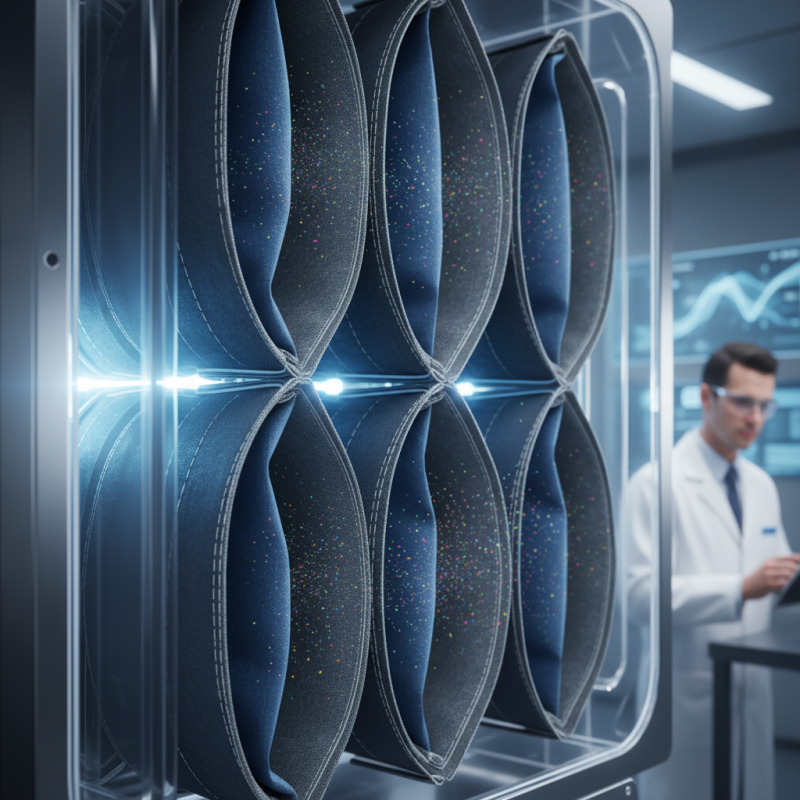
Types of Pocket Filter Media for Enhanced Air Quality
When discussing the types of pocket filter media, it's essential to highlight their varied applications. Different materials are engineered for specific air quality needs. High-efficiency particulate air (HEPA) filters excel in capturing fine particles. They can achieve over 99.97% efficiency at 0.3 microns. This performance makes them a go-to choice in healthcare settings.
Another significant type is the electrostatic filter. This material uses an electric charge to attract dust and allergens. Studies show they improve air quality by up to 25%. However, their long-term efficiency can decline without regular maintenance. This can lead to reduced air quality over time.
Fiberglass filters are also prevalent. While they might have lower efficiency, they are cost-effective for residential use. They can remove larger particles but struggle with finer pollutants. Investing in more advanced filters could be necessary depending on environment demands. Users may not realize this until they experience persistent air quality issues. Making informed choices is critical for sustained air quality improvement.
Key Features to Consider in Pocket Filter Media Selection
When selecting pocket filter media for air quality improvement, several key features should be considered. Efficiency is vital. High-efficiency filters capture more particles, enhancing indoor air quality. Look for filters with a Minimum Efficiency Reporting Value (MERV) rating. A MERV rating of 8-13 is generally suitable for residential and commercial needs. However, higher ratings may lead to airflow resistance, which is a potential drawback.
Durability matters too. Filters should withstand varying humidity and temperature levels without degrading. Materials like synthetic fibers often offer better longevity compared to traditional options. Consider the filter's maintenance requirements. Some filters are reusable, while others need frequent changes, leading to more waste. Aesthetics can also play a role; filters come in various designs, allowing them to blend into the environment.
Lastly, evaluate cost-effectiveness. Sometimes, high-quality filters come at a premium price. An initial investment could lead to savings in energy use due to better airflow. It’s essential to balance initial costs against long-term efficiency. Ultimately, finding the right pocket filter media requires careful consideration of these aspects. Aim for a solution that not only performs well but also fits your specific air quality needs.
2026 Best Pocket Filter Media for Air Quality Improvement
| Filter Type | Efficiency (%) | Airflow Resistance (Pa) | Operating Temperature (°C) | Lifespan (Months) |
| Synthetic Media | 95 | 150 | 60 | 12 |
| Electrostatic Media | 99 | 100 | 65 | 9 |
| HEPA Media | 99.97 | 200 | 75 | 24 |
| Pleated Media | 90 | 120 | 55 | 18 |
| Activated Carbon Media | 85 | 80 | 50 | 6 |
Performance Metrics for Evaluating Air Quality Improvement
When it comes to improving air quality, selecting the right pocket filter media is crucial. Performance metrics play a vital role in this selection process. The efficiency of a filter can be measured using several key indicators. For example, particle size capture rates often dictate the effectiveness. Filters that capture particles down to 0.3 microns can significantly reduce harmful pollutants. Studies have shown that high-efficiency filters can remove over 95% of airborne particles, greatly enhancing indoor air quality.
Another critical metric is airflow resistance. While a more efficient filter captures more particles, it may also restrict airflow. This can lead to increased energy consumption in HVAC systems. A balance must be struck between filtration efficiency and airflow efficiency. Reports indicate that filters with lower resistance can save up to 20% on energy costs while maintaining adequate air quality.
Another area that demands attention is maintenance frequency. Filters with higher dirt holding capacity can last longer, reducing the need for frequent replacements. This impacts both costs and waste generation. However, many users overlook the importance of regular monitoring to assess filter performance. Without such practices, the effectiveness of even the best filter media can diminish over time.
Installation and Maintenance Best Practices for Pocket Filters
Proper installation is key for pocket filters. Ensure a tight seal to prevent air bypass. Check the frame and ensure there's no visible gap. Incorrect installation can lead to reduced efficiency. Airflow should be uniform across all parts. Monitor the filter’s initial pressure drop. This initial read is essential for future maintenance.
Maintenance practices require regular checks. Ideally, inspect filters every month. Look for dust accumulation. Dirty filters can lead to higher energy costs. Change filters based on their pressure drop readings. This helps maintain optimal air quality. Don't forget the importance of cleanliness in surrounding areas, too. Keeping the installation space clear of debris is crucial. This may seem trivial but can affect performance.
2026 Best Pocket Filter Media Performance Comparison
Future Trends in Pocket Filter Technology for Air Quality Solutions
As air quality concerns continue to rise, pocket filter technology is evolving rapidly. Recent studies show that effective air filtration can remove up to 95% of airborne contaminants, including allergens and pollutants. In industrial settings, the demand for high-efficiency pocket filters has surged. A prominent report indicates that the global market for pocket filters is projected to grow by 7.5% annually through 2026.
Future trends suggest a significant shift towards sustainable materials in filter production. Innovations in nanomaterials are paving the way for filters that offer higher efficiency and lower energy consumption. However, many users overlook proper maintenance. Inadequate care can drastically reduce a filter's effectiveness. There’s a clear need for better user education on maintenance practices to maximize filter lifespan.
Data also suggests a potential integration of IoT technology in air filtration systems. Smart filters could monitor air quality in real-time, providing users with actionable insights. However, the challenge remains in ensuring reliability and ease of use. As we look ahead, continuous innovation and user awareness will be essential in leveraging pocket filters for improved air quality.