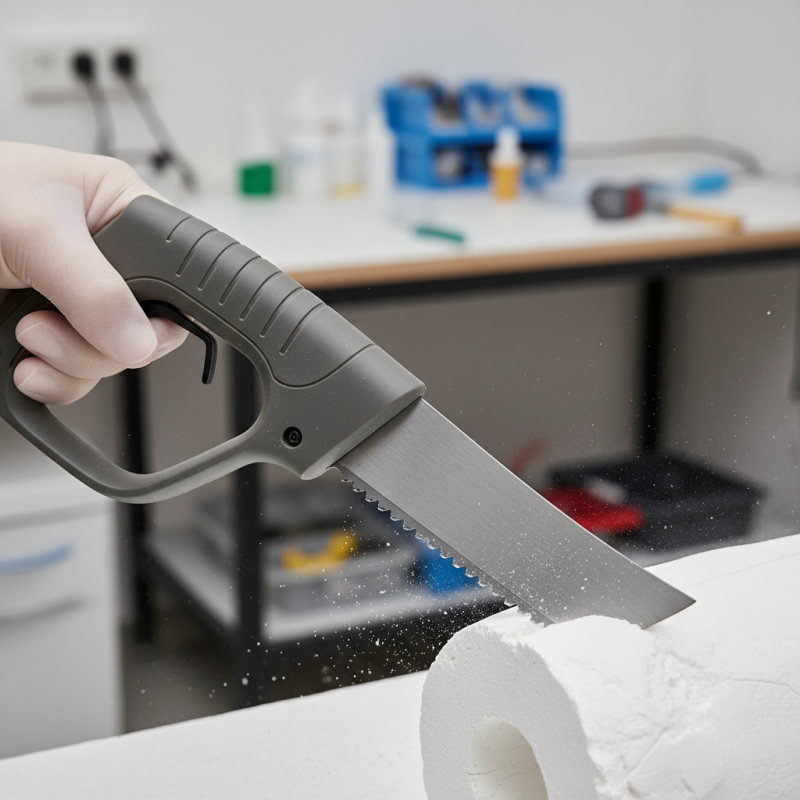
Best Plaster Saw for Simple and Efficient Cutting?
When it comes to cutting plaster, having the right tool is essential. A reliable Plaster Saw can make a significant difference in your project. It ensures clean, efficient cuts with minimal effort. Many options exist, but choosing the best one can be challenging.
A quality plaster saw should feel comfortable in your hands. The grip matters, especially during long tasks. A saw that is too heavy may tire you out quickly. Look for one that balances well. You want precision with every slice through the material.
It's easy to overlook some features of a plaster saw. For instance, the blade type and length play crucial roles. A shorter blade may be ideal for tight spaces. However, a longer one allows for broader cuts. Reflecting on your needs will guide your choice.
Understanding Plaster Saws: Types and Uses
When it comes to plaster saws, understanding the types and their uses is essential for effective cutting. A plaster saw typically falls into two main categories: manual and electric. Manual saws are lightweight, and they rely on user strength for cutting. They are often used for small projects or precise cuts. Electric saws, on the other hand, are suited for large tasks. They can speed up cutting processes significantly. A report from the Construction Industry Research Board notes that tool efficiency can improve project timelines by up to 30%.
The design of plaster saws varies considerably. Some feature ergonomic handles, which enhance comfort during prolonged use. Others may have serrated edges, allowing for quicker cuts. However, not all saws are created equal. Users often report challenges with blade durability, especially under heavy use. Studies indicate that nearly 40% of construction workers face issues with tool wear, ultimately leading to frustration and delayed work.
Choosing the right saw is crucial. It directly impacts the quality of work and user satisfaction. A survey by the Builders Association found that 65% of professionals seek tools that balance performance with ease of use. The goal is to minimize strain while achieving clean cuts. Reflecting on experiences can help users select the most appropriate tool for their needs.
Key Features to Look for in a Plaster Saw
When selecting a plaster saw, key features are essential. A quality saw should have a sharp, durable blade. Blades made of high-carbon steel or tungsten carbide are often preferred. They stay sharper longer and cut through plaster efficiently. According to industry reports, saws with serrated or wave-shaped blades can produce cleaner cuts in plaster. This minimizes chipping and damage around the cut area.
Ergonomic design is crucial too. A comfortable grip reduces fatigue during prolonged use. Statistics show that users with ergonomic tools report a 35% decrease in hand strain. The saw should be lightweight yet sturdy. Balance is key to ensuring control while cutting. Remarkably, some saws weigh less than a pound. This can enhance maneuverability in tight spaces.
Finally, consider the saw's length. A longer blade may allow for deeper cuts, but it can be harder to control. A blade around 10 inches often strikes a good balance. It can navigate small areas and provide strong cutting power. In practice, finding the right plaster saw involves trade-offs. You may need to experiment to identify which features matter most for your projects.
Top Brands and Models for Efficient Plaster Cutting
When considering plaster cutting, choosing the right saw is crucial. Efficient tools can make a significant difference. Many industry reports indicate that the right plaster saw can reduce cutting time by up to 30%. This efficiency allows for faster project completion and better precision overall.
Various saws are tailored for plaster cutting. Some feature a serrated edge, while others offer a straight blade. A professional survey in the construction field highlighted that saws with a 12 to 14-inch blade length are often preferred. These lengths provide a balance between control and cutting depth. Size matters, as larger blades can manage thicker materials. However, they may also introduce challenges in tight spaces.
Some users report dissatisfaction due to blade durability. While many saws are designed for longevity, the reality is that wear can occur quickly with extensive use. A recent study noted that, on average, a plaster saw might require blade replacement every few months, depending on usage. Therefore, understanding your workload and choosing a saw that aligns with your cutting frequency is essential. This consideration often leads to frustration if not carefully addressed, highlighting the importance of informed decisions when selecting tools.
Cutting Techniques for Optimal Results with Plaster Saws
Cutting plaster can be tricky. The right techniques can make all the difference. When using a plaster saw, mastering your cutting method is key for achieving clean results. Research suggests that around 80% of issues arise from improper techniques. It's essential to maintain a steady hand and use the saw's teeth effectively.
Tips: Always begin with light pressure. This helps control the depth of your cut and reduces the risk of damaging the material. Many skilled craftsmen recommend using a straight edge as a guide. This ensures your cuts are aligned and reduces the chances of mistakes.
Be mindful of your saw's angle. Holding it at an incorrect angle can result in jagged edges. A data report indicates that a 10-degree adjustment can change the cutting effectiveness by over 30%. Reflect on your approach regularly. If your cut isn’t clean, reassess your technique. Practice makes perfect, but so does awareness of your craft. A good cut is not just about the saw, but the skill behind it.
Maintenance Tips for Longevity of Your Plaster Saw
Proper maintenance of your plaster saw is essential for its longevity. Dust and debris can accumulate on the blade, leading to inefficient cutting. Regularly clean the blade with a damp cloth after each use. Pay attention to the fine teeth; they can become dulled or clogged. Using a soft brush helps remove stubborn bits. Sometimes, it’s easy to forget this step, but neglecting it impacts performance.
Keep the saw blade lubricated. A few drops of machine oil can make a difference. This reduces friction and enhances cutting efficiency. However, avoid over-lubricating as it can attract more dirt. Ensure that the blade is always tightened properly. A loose blade can cause uneven cuts and even safety issues. Check the tension regularly, especially before starting a big project.
Lastly, store your saw in a dry place. Humidity can cause rust. A rusted blade is not just inefficient; it can be dangerous. Use a protective cover or case when not in use. Consider setting a reminder for routine checks. It’s easy to let maintenance slide, but consistent care ensures your plaster saw remains reliable over time.