How to Choose the Best Metallurgical Bridge Crane for Your Needs?
Selecting the right Metallurgical Bridge Crane is crucial for efficiency and safety in industrial operations. According to a report by Grand View Research, the global bridge crane market is expected to grow significantly, indicating a rising demand for specialized equipment. An expert in the field, Dr. John H. Meyer, emphasizes, “Choosing the right Metallurgical Bridge Crane can enhance productivity and reduce operational risks.”
Variations in load capacities, span lengths, and lifting speeds can impact your choice greatly. A Metallurgical Bridge Crane must match the specific needs of your operations. Many users overlook that inadequate specifications can lead to costly downtimes. An ill-suited crane may hinder workflow and increase risks.
Understanding the environment is essential. For instance, high-temperature operations require cranes designed for extreme conditions. These details become vital as they influence safety and performance. Even small oversights can result in significant challenges. Therefore, this choice demands thorough analysis and expert consultation.
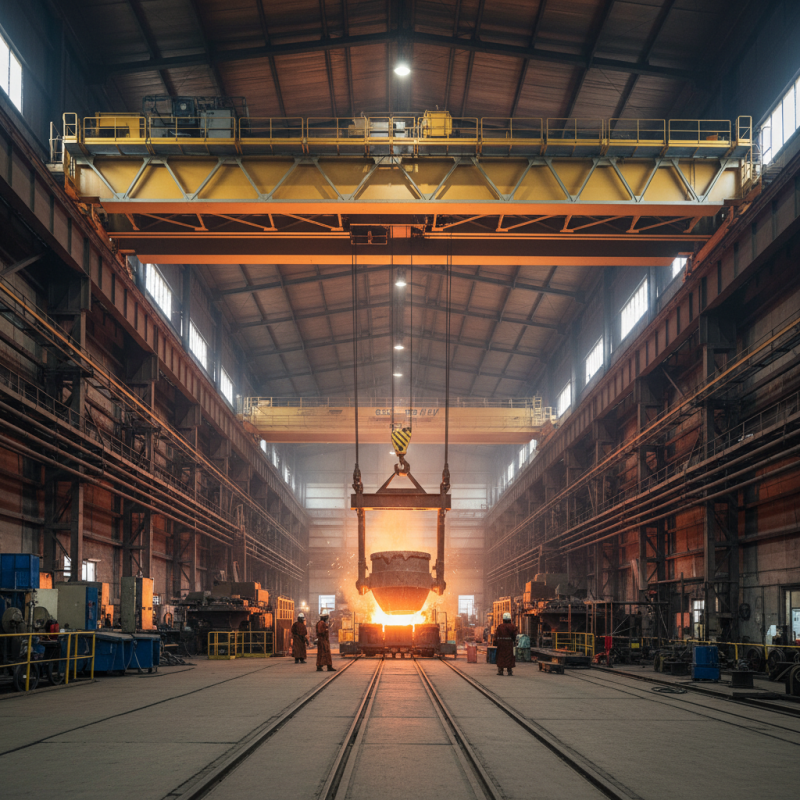
Understanding the Basics of Metallurgical Bridge Cranes
Metallurgical bridge cranes play a crucial role in industrial settings. They are essential for lifting and moving heavy materials like steel and metal components. Understanding their basic functions can help you choose the right one.
Bridge cranes consist of a horizontal bridge supported by two end trucks. These cranes run along elevated tracks, allowing for smooth movement across wide areas. When dealing with heavy loads, safety is paramount. Operators must be trained and aware of load limits. Cranes should be inspected regularly to prevent accidents. The choice of materials used in construction affects durability, so pay attention to that detail.
Selecting the correct crane can be overwhelming. Consider your specific needs, including load capacity and span requirements. Also, factor in the working environment—are there obstacles? Dust and heat can impact crane performance. Reflecting on these questions can inform your decision. Always remember that a little extra research can save time and enhance safety. There's always room for improvement in operational efficiency.
Key Factors to Consider When Selecting a Bridge Crane
When choosing a metallurgical bridge crane, several factors should be at the forefront of your decision-making process. The lifting capacity is crucial. Identify the maximum weight you'll need to lift. Overlooking this can lead to safety hazards or inefficient operations. The span is another key aspect. Measure the width of your facility to ensure a perfect fit. A crane that is too wide or too narrow can create operational difficulties.
Consider the duty cycle of the crane. How often will it be in use? Heavy-duty cranes are built to endure constant operations, but they may not suit every environment. If your needs fluctuate, a standard model may suffice. Assess the environment as well. High temperatures, dust, or moisture can impact the crane's performance and longevity.
Tips: Regular maintenance is essential for increased lifespan. Schedule inspections based on frequency of use. Ensure operators are well-trained to reduce accidents. Safety should never be an afterthought. Reflect on your specific needs continuously, as they may evolve over time. Keeping your crane aligned with these changing requirements ensures efficiency and safety in your operations.
Evaluating Load Capacity and Span Requirements
When selecting a metallurgical bridge crane, evaluating load capacity and span requirements is crucial. Load capacity determines how much weight a crane can lift safely. Most industrial setups require cranes that can handle between 10 tons to over 100 tons. A report from the American Society of Mechanical Engineers (ASME) indicates that inadequate load capacity can lead to serious accidents. It's essential to calculate your maximum lifting needs accurately.
Span requirements refer to the distance the crane must cover to reach various points. A span of 50 to 150 feet is standard in many applications. However, custom spans may be needed in larger facilities. Factors like building height and layout affect these requirements. In a study by the Crane Manufacturers Association of America (CMAA), improper span can result in limited operational efficiency.
In some cases, the calculated load capacity and actual site conditions do not match. This mismatch often leads to underperformance. Therefore, it's wise to reassess regularly. Gather data on daily usage and adjust your crane specifications accordingly. Addressing these discrepancies early can prevent significant downtime and ensure operational safety.
Assessing Safety Features and Compliance Standards
When choosing a metallurgical bridge crane, safety features are crucial. Look for sturdy construction and reliable materials. The crane should meet current safety standards for heavy lifting. A well-designed crane minimizes risks. Evaluating load capacities is essential. Overloading can lead to failure. So, always check the specifications.
Compliance with industry standards cannot be overlooked. Cranes should adhere to local regulations. Understanding these guidelines helps in making informed choices. Also, consider emergency stop systems. They should activate immediately during unsafe conditions. Many designs lack this feature, reflecting a need for improvement.
User training is vital. Operators must understand the crane's functionalities. Regular inspections should be a routine part of operations. People often forget to check safety devices. This oversight can be dangerous. Encourage a culture of safety awareness. Fostering a proactive approach can save lives and prevent accidents.
Exploring Options for Customization and Accessories
Choosing the right metallurgical bridge crane requires careful consideration, especially when it comes to customization and accessories. Many industries operate under unique conditions that demand specialized features. For instance, a report by the Association of Equipment Manufacturers states that 65% of cranes need specific attachments to meet operational needs. This shows the importance of flexibility in design.
When exploring customization options, consider features like adjustable speeds and lifting capacities. These features impact efficiency and safety. Approximately 70% of accidents in industrial settings are linked to improper crane usage. This highlights the need for tailored accessories that fit specific environments and loads. For example, specialized hooks or load monitoring systems can help manage risks effectively.
Accessories can also enhance productivity. Advanced controls allow operators to manage loads more efficiently. However, too many features can complicate operations. Regular training is essential to ensure operators understand all functionalities. Investing in the wrong setup can lead to increased downtime. Not all cranes will meet your operational requirements, so proceed with caution.
How to Choose the Best Metallurgical Bridge Crane for Your Needs?
| Feature | Description | Customization Options | Accessories |
| Load Capacity | The maximum weight the crane can safely lift. | Adjustable load limits based on application needs. | Load hooks, slings, and chains. |
| Span Length | Distance between the crane's supports. | Options for adjustable spans to fit specific installations. | Bridge travel drives and control panels. |
| Height of Lift | Maximum vertical distance the crane can lift a load. | Customization for greater lift heights. | Safety ladders and maintenance platforms. |
| Control System | Mechanism for operating the crane. | Smart controls and programmable settings available. | Remote controls and touch screens. |
| Safety Features | In-built measures to ensure safe operation. | Customizable safety protocols and alarms. | Emergency stop buttons and overload sensors. |