Best Medium Density Fiberboard for Global Sourcing Needs?
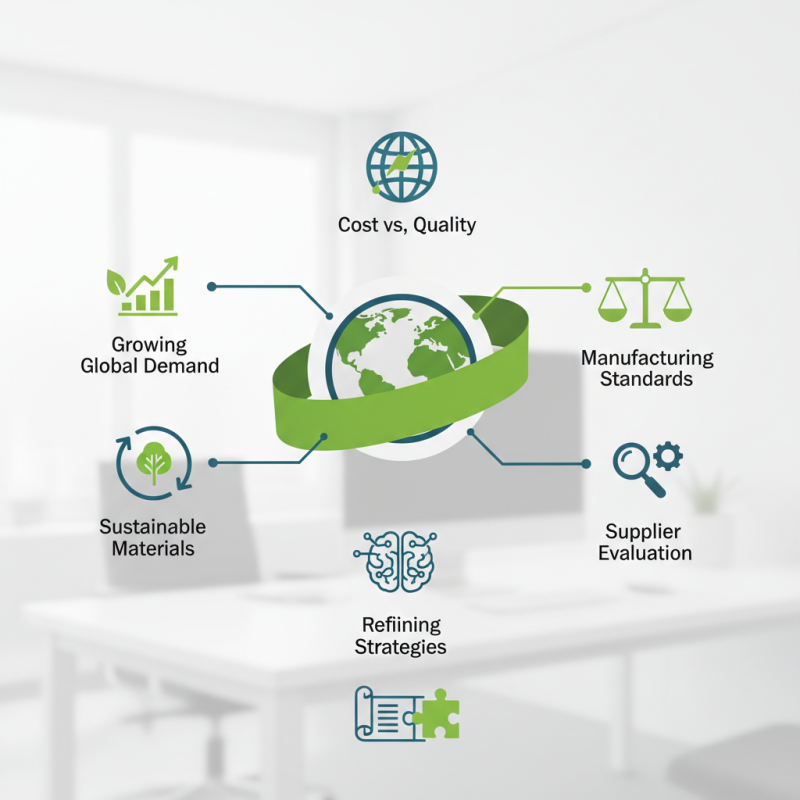
The demand for Fiberboard Medium Density Board has surged globally. This shift reflects a growing interest in sustainable building materials. Experts emphasize the importance of quality in sourcing decisions. Dr. Emily Carter, a leading figure in the industry, states, “The right Fiberboard Medium Density Board can transform any project.”
Many businesses seek cost-effective and eco-friendly solutions. However, not all products meet the same standards. Discrepancies exist in manufacturing processes and material sourcing. It's crucial to evaluate suppliers carefully. Unreliable sources can lead to subpar quality, affecting overall project outcomes.
As sourcing trends evolve, maintaining a balance between cost and quality becomes challenging. Companies must navigate through numerous options. This journey often reveals the complexities of global supply chains. Engaging with experienced suppliers can mitigate risks. Reflecting on these insights can refine sourcing strategies for future projects.
Understanding Medium Density Fiberboard (MDF) and Its Applications
Medium Density Fiberboard (MDF) is a versatile material widely used in various industries. It is made by breaking down hardwood or softwood into wood fibers, combining them with adhesives, and then compressing them under high temperature and pressure. This process results in a dense, sturdy panel that can be easily shaped and finished. The smooth surface of MDF makes it ideal for applications such as cabinetry, furniture, and decorative moldings.
MDF is favored for its consistent quality and uniform density. However, it is important to note that it is not water-resistant. Using MDF in high-moisture areas requires proper sealing. When selecting MDF, consider the intended use and environment. Its applications range from intricate carvings in furniture to soundproofing in construction. Each project has unique needs, and understanding those is crucial for success.
Despite its benefits, MDF can emit volatile organic compounds (VOCs) during production and use. Proper ventilation and finishing techniques can mitigate these concerns. Always remember that quality varies among manufacturers. Doing thorough research on suppliers is essential in sourcing the best MDF for specific requirements. Balancing performance and environmental impact will lead to informed decisions in material selection.
Best Medium Density Fiberboard for Global Sourcing Needs
| Property | Description | Applications |
| Density | Typically ranges from 600 to 800 kg/m³ | Furniture, cabinetry, and decorative wall panels |
| Thickness | Available in various thicknesses from 3 mm to 38 mm | Doors, shelving systems, and acoustic panels |
| Surface Finish | Can be veneered, laminated, or left raw | Interior and decorative applications |
| Sustainability | Made from recycled wood fibers and environmentally friendly adhesives | Eco-friendly construction and interior design |
| Strength | Good bending strength and durability | Furniture, flooring, and lightweight structural applications |
Key Factors in Selecting the Best MDF for Global Sourcing
When selecting the best Medium Density Fiberboard (MDF) for global sourcing, several key factors emerge. One critical aspect is the density of the MDF. MDF is generally available in densities ranging from 600 to 800 kg/m³. Higher density boards often provide better durability and finish quality, but they can also be heavier and more expensive.
Another important consideration is the formaldehyde emission levels. According to the Environmental Protection Agency (EPA), low formaldehyde emissions are crucial for indoor air quality. It’s essential to look for MDF that complies with California Air Resources Board (CARB) Phase 2 standards. These standards help ensure that the material used is safe for consumers and reduces the risk of health issues associated with volatile organic compounds (VOCs).
Sourcing MDF that is sustainably produced is also vital. Reports indicate that around 80% of the global MDF market is projected to grow due to rising demand for environmentally friendly materials. This growth reflects a shift towards sustainability, influencing production methods and sourcing strategies. However, true sustainability can be hard to assess. Not all certifications are created equal. It requires careful evaluation of sourcing practices and transparency in manufacturing processes.
Top Global Manufacturers of Medium Density Fiberboard
Medium Density Fiberboard (MDF) is a popular material in various industries, especially for furniture and cabinetry. Understanding the leading global manufacturers can help businesses make informed sourcing decisions. According to a recent industry report by Market Research Future, the MDF market is expected to grow at a CAGR of 6.2% through 2025. This growth indicates a steady demand, with Europe and North America leading in production capacity.
Several top manufacturers are known for their advanced technology and sustainable practices. Companies focus on eco-friendly processes and are committed to reducing waste. They often utilize wood fibers from sustainable sources, aligning with industry trends favoring environmentally friendly materials. Keeping track of these manufacturers is essential for anyone involved in furniture, construction, or design.
Tip: Evaluate suppliers based on their sustainability practices. This not only supports the environment but can also enhance your brand's image.
Balancing cost and quality is crucial. Often, cheaper MDF does not meet the necessary durability and finish standards. Aligning with the right manufacturers ensures you receive materials that meet your specifications. Regularly assess supplier performance and be aware of industry innovations to maintain a competitive edge.
Sustainability and Environmental Impact of MDF Production
Medium Density Fiberboard (MDF) has become a popular choice in various industries, but its production raises important sustainability concerns. The manufacturing process often requires significant energy input and emits greenhouse gases. Reports indicate that MDF production can generate up to 350 kg of CO2 emissions per cubic meter of board produced. This raises questions about the environmental trade-offs.
Sustainable practices in MDF production are critical. Sourcing raw materials from responsibly managed forests can mitigate some environmental impacts. The Forest Stewardship Council (FSC) estimates that certified wood sources can reduce deforestation by up to 30%. However, the industry still faces challenges. Not all manufacturers have adopted sustainable sourcing practices. It is essential to scrutinize suppliers closely.
Additionally, recycling MDF is complicated. The presence of adhesives and resins means that not all MDF can be reused effectively. Some studies suggest that around 70% of post-consumer MDF ends up in landfills. This highlights the need for innovation in recycling technologies. As global sourcing needs evolve, addressing these sustainability issues becomes increasingly important.
Trends and Innovations in Medium Density Fiberboard Industry
The medium density fiberboard (MDF) industry has seen notable advancements this year. Innovations focus on sustainability and efficiency. A recent report from the International Wood Products Association highlights that MDF production has increased by 4% globally. This trend reflects a growing demand for eco-friendly materials in furniture and construction.
Recycled fibers are becoming a preferred source. This technique not only reduces waste but also lowers production costs. According to market analysis by Grand View Research, around 75% of manufacturers now use sustainable practices. These changes indicate a shift toward environmental responsibility. However, some manufacturers struggle to balance cost and quality, leading to potential inconsistencies in product offerings.
The demand for lighter and stronger MDF is on the rise. New formulations enhance performance without sacrificing structural integrity. Industry experts project a continuous growth rate of 5.1% annually through 2030. Despite the optimistic outlook, some players in the market may find it challenging to keep up with innovation. Addressing material sourcing and production inefficiencies remains a pressing concern.
Trends in Medium Density Fiberboard Market Demand (2023)
This chart illustrates the market demand for medium density fiberboard in various regions as of 2023. It reflects the growing trends and innovations in the MDF industry, with Asia-Pacific showing the highest demand, followed by Europe and North America.