2026 Best Medical Air Purifier for Healthier Living?
Air quality impacts health. In hospitals, clean air is vital. A report by the World Health Organization states that 4.2 million deaths occur yearly from outdoor air pollution. This figure underscores the need for effective purification solutions.
The medical air purifier stands out as a powerful tool. It removes harmful particles and pathogens from indoor environments. According to a study published in the Journal of Environmental Health, medical air purifiers can reduce airborne bacteria by 90%. This statistic illustrates their potential in enhancing patient safety and overall well-being.
However, not all medical air purifiers are created equal. Some might use outdated technologies that are less effective. Consumers must discern between products to find the one that meets their specific needs. Investing in a high-quality medical air purifier can lead to a healthier living space. Still, awareness and education about their efficacy are crucial for making informed choices.
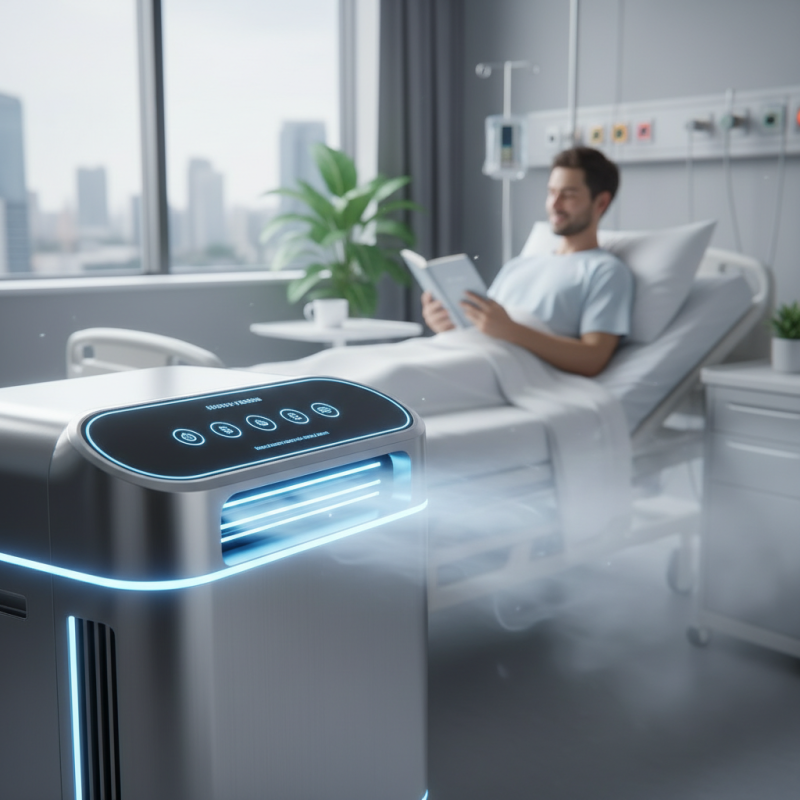
Overview of Medical Air Purifiers and Their Importance in Health
Medical air purifiers play a crucial role in maintaining a healthy environment. These devices filter harmful pollutants from the air we breathe. Dust, pollen, and allergens can affect our well-being. Many people underestimate the importance of clean air in their homes. With rising health issues, the need for effective air purification is evident.
These purifiers can remove microscopic particles. Some models also reduce odors and gases. However, not all air purifiers are equally effective. It’s important to research their capabilities. People should also consider their specific needs. A family with allergies might require a different model than a household with pets. Understanding these differences is essential.
One challenge is ensuring regular maintenance. Filters need changing, and machines may require cleaning. Some may forget these tasks. Overlooking them can diminish the purifier’s effectiveness. Breathing clean air is just one piece of the puzzle. A person’s lifestyle choices also affect their overall health. People should reflect on their habits. Are they exercising regularly? Eating a balanced diet? These factors work together with clean air to create a healthier living space.
Key Features to Consider When Choosing a Medical Air Purifier
When selecting a medical air purifier, several key features are vital. Filtration efficiency stands out as a primary aspect. HEPA filters are essential for trapping tiny particles, including dust and allergens. Look for purifiers with a high Clean Air Delivery Rate (CADR) to ensure effective purification. Many models also include activated carbon filters to eliminate odors and harmful gases.
Size and coverage area are important too. Choose a purifier that fits your space. Some units are compact and portable, while others are designed for larger rooms. Consider the noise level as well. If you plan to use it in a bedroom, quieter models are preferable. Pay attention to energy efficiency ratings to avoid high electricity bills.
Tips: Always check for replacement filter costs. It can become an ongoing expense. Additionally, read user reviews to gauge real-world performance. Look for models with smart features, like air quality sensors or mobile app integration. This can enhance your experience and keep your space optimally clean. Remember, not every unit might meet your needs, so it's worth doing the research.
Top Rated Medical Air Purifiers for 2026: A Comprehensive Review
As we approach 2026, the importance of clean air has never been clearer. Medical air purifiers are essential for maintaining a healthy environment. They reduce allergens, dust, and harmful particles in the air. This can lead to better overall health, especially for those with respiratory issues.
Choosing the right air purifier requires careful consideration. Not all products perform equally. Some may have high CADR ratings, while others may lack essential features. It’s not just about the price tag; effectiveness matters most. Filters need regular replacement to maintain performance. Neglecting this can lead to more harm than good.
Consumer reviews indicate varied experiences. Users report significant improvement in air quality, while others feel minimal effects. It’s essential to research and compare different models. Your specific needs, like room size and sensitivity to allergens, should guide your choice. This process may take time and patience, but the health benefits make it worthwhile.
2026 Best Medical Air Purifier for Healthier Living
| Model | HEPA Filter Type | CADR (Clean Air Delivery Rate) | Noise Level (dB) | Coverage Area (sq ft) | Price ($) |
| Model A | True HEPA | 300 | 25 | 600 | 249 |
| Model B | HEPA 13 | 350 | 30 | 700 | 299 |
| Model C | HEPA 14 | 400 | 28 | 800 | 349 |
| Model D | True HEPA | 280 | 22 | 500 | 199 |
| Model E | HEPA 13 | 320 | 26 | 650 | 279 |
Health Benefits of Using Medical Air Purifiers in Daily Life
Breathing clean air is essential for our health. Medical air purifiers can improve our daily lives significantly. They filter out harmful particles, allergens, and pollutants. This is particularly beneficial for people with allergies or respiratory conditions. Clean air promotes better sleep and reduces stress levels too.
Many families notice fewer allergy attacks. Children often get sick less frequently. However, reliance solely on air purifiers isn't enough. Regular cleaning and ventilation are still necessary. Sometimes, people forget to replace filters, rendering their devices less effective.
Using air purifiers offers noticeable health benefits. They create a safer home environment. Cleaner air contributes to better focus and productivity. Yet, awareness of how these devices work is vital. Users should educate themselves on optimal placement and maintenance. Otherwise, the expected benefits may not be fully realized.
Maintenance Tips for Ensuring Optimal Performance of Air Purifiers
Air purifiers are essential for maintaining indoor air quality. They help reduce allergens, pollutants, and harmful particles. However, many people overlook maintenance. Regular upkeep ensures optimal functionality and longevity. According to the Environmental Protection Agency (EPA), indoor air can be 2 to 5 times more polluted than outdoor air. Without proper maintenance, air purifiers lose effectiveness.
Changing filters is crucial. Depending on the type of filter, replacements may be necessary every 3 to 6 months. Neglecting this can allow pollutants to circulate. For instance, a HEPA filter traps 99.97% of particles. But a clogged filter can lead to restricted airflow and reduced cleaning power. It's vital to check filters monthly. Some models have indicators, but manual checks are still beneficial.
Cleaning the exterior and surrounding areas is often forgotten. Dust and debris can accumulate, affecting performance. A damp cloth can remove surface dust, while vacuuming around the unit helps maintain airflow. Remember, air quality directly impacts health. A well-maintained air purifier can significantly reduce allergy symptoms and respiratory issues. Regular maintenance is not just an option; it’s a necessity for healthier living.