Best Maize Milling Plant for Global Buyers in 2026?
As the global demand for maize continues to rise, selecting the right maize milling plant becomes crucial for buyers. In 2026, the landscape will evolve considerably. New technologies and sustainable practices are shaping the industry. Buyers must focus on efficiency and reliability. The ideal maize milling plant not only maximizes yield but also minimizes waste.
Various factors influence the choice of a maize milling plant. Equipment quality, production capacity, and maintenance support play a vital role. Buyers should take the time to evaluate different suppliers. Brand reputation and customer testimonials can provide valuable insights. Reliability is key.
Moreover, it’s important to consider local market needs. Regional preferences may require different milling techniques. Challenges will arise in implementation, and buyers must be prepared to adapt. Continuous learning and flexibility can help navigate potential pitfalls. The quest for the best maize milling plant is ongoing and requires careful thought.
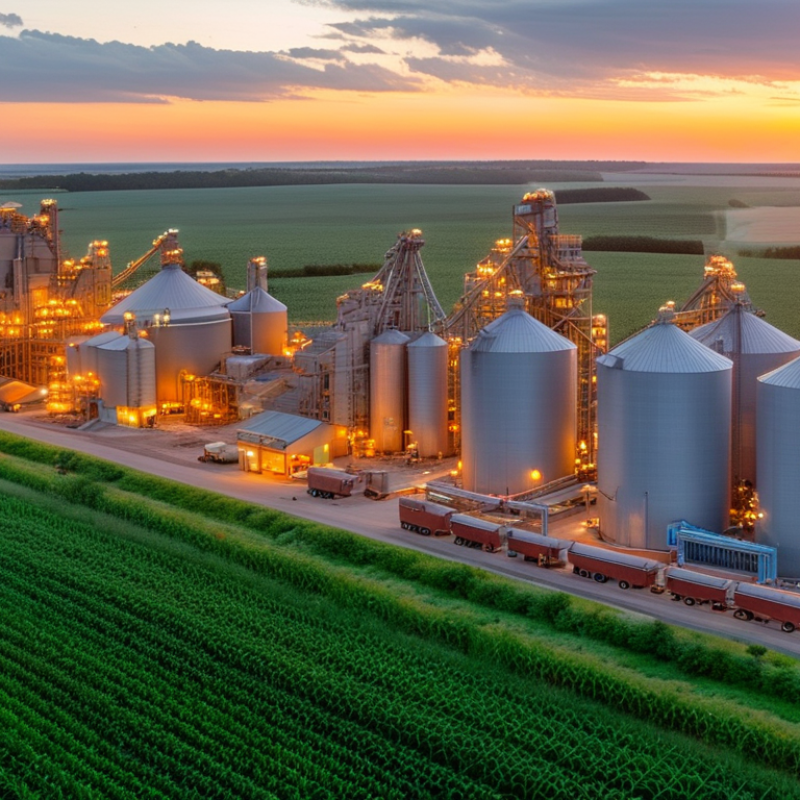
Overview of the Global Maize Milling Industry in 2026
The global maize milling industry is set for significant growth by 2026. According to recent reports, the market is projected to reach approximately $100 billion. This growth stems from increased demand for maize-based products and advancements in milling technology. Ethanol production and food processing are major drivers of this demand.
Innovation in milling plants plays a crucial role in meeting these demands. Modern maize mills are emphasizing energy efficiency and sustainability. Reportedly, energy-efficient processes can reduce operational costs by 20%. However, some players in the industry still rely on outdated machinery, which increases waste and emissions. This is a concern that must be addressed.
Global trends highlight a shift towards organic and non-GMO maize products. The health-conscious market is expanding, with consumers seeking quality. Manufacturers must adapt quickly to these changing preferences. Yet, some companies are hesitating, potentially losing market share.
Timely investments in research and development are necessary to stay competitive. The future of maize milling hinges on these factors.
Key Features of an Ideal Maize Milling Plant
When considering the ideal maize milling plant for global buyers in 2026, key features play a significant role. A well-designed plant should prioritize efficiency and adaptability. According to industry reports from the Food and Agriculture Organization (FAO), investments in modern processing technology can enhance productivity by up to 30%. This is critical as global maize demand continues to rise, projected to reach over 1.2 billion tons by 2026.
Another important aspect is the plant's capacity to ensure high-quality output. Data from the International Grains Council indicates that the milling process must achieve a flour extraction rate of at least 70% for optimal performance. A reliable maize milling plant should incorporate advanced cleaning and conditioning systems to reduce impurities and improve flour quality. Notably, it should also come equipped with automated monitoring systems to ensure consistent production quality.
Support and maintenance options often need more emphasis. Global buyers might overlook this, but a seamless support system is essential. Frequent maintenance can reduce downtime and improve operational efficiency. An ideal milling plant avoids complexity but allows for straightforward modifications when required. This encourages continuous improvement and adaptation to market demands.
Best Maize Milling Plant Features Comparison for Global Buyers in 2026
Top Global Suppliers of Maize Milling Equipment
Maize milling plays a crucial role in food production globally. In 2026, the demand for efficient maize milling equipment is expected to surge. A report by ResearchAndMarkets indicates a projected growth rate of over 5% in the maize milling market. This growth reflects the growing need for diverse flour products.
Top global suppliers of maize milling equipment focus on efficiency and durability. Many are innovating to meet new standards in energy consumption. Cutting-edge machinery often uses advanced technology for better output. This ensures minimal waste and maximizes product yield.
Tips for choosing the right supplier include assessing their industry experience and machinery certifications. Check for after-sales service and customer reviews. Reliable suppliers often provide comprehensive support and maintenance plans. Their expertise can significantly affect operational success.
Technological Innovations in Maize Milling Processes
The maize milling industry is evolving with rapid technological advancements. In 2026, buyers will see a shift toward more efficient milling processes. Innovations are focused on increasing productivity while reducing waste. Advanced sensors now monitor grain quality in real-time, ensuring optimal milling conditions. This leads to better quality flour that meets global standards.
Investing in automation can significantly enhance production efficiency. Automated systems streamline operations and reduce the need for manual labor. However, the initial cost can be a barrier. Companies must weigh the benefits against expenses. Additionally, integrating new technologies requires proper training. Skilled operators are essential to maximize the benefits of these innovations.
Tips for buyers include assessing technology compatibility with existing systems. Look for machinery that can adapt to various maize types. Consider focusing on sustainability; eco-friendly practices are increasingly important. Emphasizing energy-efficient machines not only reduces costs but also appeals to environmentally conscious consumers. Each of these factors plays a crucial role in selecting the best maize milling plant.
Sustainability Practices in Maize Milling Operations
Sustainability is becoming crucial in maize milling operations. In 2026, global buyers will prioritize eco-friendly practices. Efficient energy usage is a significant focus. Milling plants are exploring renewable energy sources like solar and wind.
Water management remains a challenge. While many plants recycle water, some still waste it. Investing in advanced filtration systems can enhance efficiency. Reducing waste is vital too. A holistic approach is needed to minimize byproducts.
Additionally, sourcing maize sustainably is essential. Local production reduces transportation emissions. However, not all regions have access to sustainable farming practices. Collaborations with farmers can promote responsible agriculture. Encouraging biodiversity in cultivation can also contribute positively. Addressing these factors makes for a more sustainable milling operation.
Best Maize Milling Plant for Global Buyers in 2026? - Sustainability Practices in Maize Milling Operations
| Country | Annual Production (Tons) | Sustainability Practices | Energy Source | Waste Management Methods |
| USA | 10,000,000 | Organic Inputs, Crop Rotation | Solar Power | Composting, Anaerobic Digestion |
| Brazil | 9,500,000 | Agroforestry, Reduced Tillage | Biomass | Recycling, Reuse |
| India | 8,000,000 | Integrated Pest Management, Mulching | Wind Energy | Zero Waste Practices |
| South Africa | 5,000,000 | Cover Cropping, Crop Diversity | Hydropower | Digestate Utilization |