
China Best Maize Flour Mill Machine Price?

The price of a Maize Flour Mill Machine depends on more than its advertised capacity. Buyers should compare the complete production line, not just the main mill. A small workshop may need a compact machine with basic cleaning and grinding. A commercial plant may require grain cleaning, degermination, sifting, and automated packing. Each added stage changes the investment.

Milling engineer Daniel Carter offers a useful reminder: “A low purchase price means little if the machine cannot meet your daily output.” Capacity, maize moisture, motor power, milling method, and finished flour quality all affect the right choice. Ask suppliers for output figures based on maize similar to yours. Request a written list of included equipment, installation costs, spare parts, and warranty terms. Check whether the quoted price includes transport and operator training. Details matter.

There is no single best price for every buyer. Two machines with similar output claims may differ in build quality, energy use, and maintenance needs. A stainless-steel contact surface, accessible screens, and readily available bearings can make routine work easier. Still, specifications on paper do not prove performance. If possible, inspect a working installation or request a product test using your maize. I would not treat the first quotation as a final answer. Compare several suppliers, confirm what each offer includes, and judge value against your actual production plan.
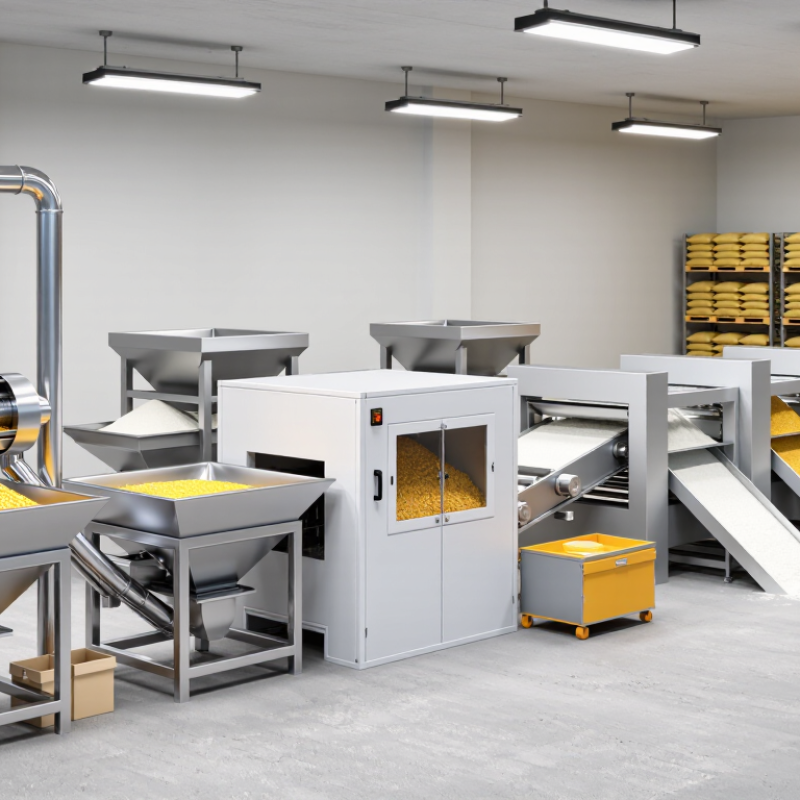
China Best Maize Flour Mill Machine Price?

What Is a Maize Flour Mill Machine?

A maize flour mill machine is equipment that processes dried maize kernels into flour or meal. It may combine several stages, including cleaning, dehulling, grinding, and sifting. A basic unit can handle grinding and screening, while a larger line may include equipment to remove stones, dust, and parts of the kernel. The exact setup depends on the flour texture and output required.

The process starts with clean, dry grain. A grinder breaks the kernels into smaller particles, and screens separate finer flour from coarser material. Some systems also remove the germ and bran for a lighter product. That changes both texture and yield. A mill is not magic. Moisture, kernel condition, screen size, and feed rate all affect the result. In practice, the first sample may be too coarse, so operators adjust the settings and test again. That distinction matters.

When comparing machine prices, consider more than grinding capacity. Ask about cleaning needs, replacement screens, energy use, and the time required for routine maintenance. A machine that produces flour quickly may still need careful adjustment to deliver a consistent texture. The right choice depends on local grain quality, available space, and how much flour is needed each day.

Which Types of Maize Flour Mills Are Made in China?

Chinese maize flour mills are commonly sold as single machines, compact processing units, and complete production lines. A single grinder suits farms or small workshops that process modest batches. Compact units often combine cleaning, de-stoning, grinding, and sifting in one layout. Larger lines add equipment for maize conditioning, peeling or degermination, flour grading, and packing. Capacity and product requirements shape the configuration.

The grinding system affects flour texture and output. Hammer mills are often used for straightforward grinding, while roller mills can support more controlled particle sizes. Some setups include screens that separate fine flour from coarser meal. Useful details to confirm include hourly capacity, motor power, maize moisture range, screen sizes, and expected flour yield. Capacity matters. A quoted output may change with grain condition and the fineness required, so treat it as a working estimate rather than a guarantee. Real production can be less tidy.

Tips: Ask for a process flow diagram and a list of included equipment. Check whether installation guidance, spare screens, and operating instructions are included. Compare like with like; a low machine price may exclude cleaning or packing equipment. Don’t overlook maintenance access.

What Factors Affect Maize Flour Mill Machine Prices?

China Best Maize Flour Mill Machine Price?
What Factors Affect Maize Flour Mill Machine Prices?

A maize flour mill quote depends less on its country of origin than on what the line must produce. Daily capacity, milling stages, cleaning and degermination equipment, sifting accuracy, and food-contact steel all affect cost. A compact mill with basic cleaning is not comparable to a line with storage, elevators, dust control, and automated packing. Ask for capacity at a stated maize moisture level and target flour fineness. Otherwise, similar-looking quotes may describe different output. Details matter.

Energy and installation affect the real cost too. The International Energy Agency’s 2011 report on electric motor-driven systems estimates that these systems use about 70% of industrial electricity, making motor efficiency relevant to long-term operating costs. FAO’s June 2024 Cereal Supply and Demand Brief forecast global cereal production at 2,854 million tonnes for 2024. That figure shows the scale of grain processing, but it does not determine an individual machine’s price. Freight, commissioning, spare screens, and local voltage requirements can raise the delivered cost. A low ex-works offer may exclude them. Comparing cost per tonne over several years is useful, though the estimate remains imperfect when energy use and maintenance needs are uncertain.

China Best Maize Flour Mill Machine Price? - What Factors Affect Maize Flour Mill Machine Prices?

Price guide: The ranges below are indicative budget estimates in USD for equipment supplied from China, not live quotations. Actual prices depend on specifications, supplier, and order terms. Confirm the scope and request a current quotation before purchasing.

Production scale Typical nominal capacity Indicative equipment price (USD) Typical scope and use
Small-scale 5–10 tonnes per 24 hours $5,000–$20,000 Basic cleaning and milling equipment for small processors; automation and included auxiliaries vary.
Medium-scale 20–30 tonnes per 24 hours $20,000–$60,000 A more complete processing line, potentially including cleaning, degermination, milling, sifting, and conveying equipment.
Large-scale 50–100 tonnes per 24 hours $60,000–$200,000+ Higher-capacity integrated lines; the final price depends heavily on process design, automation, and included installation services.
Price factor How it affects the price What to check in a quotation
Capacity and operating hours Higher throughput generally requires larger or additional equipment, increasing the investment. Confirm whether capacity is stated per hour or per 24 hours, and the assumptions about maize moisture and product yield.
Process configuration Cleaning, conditioning, degermination, milling, sifting, and packing stages add equipment and system complexity. Request an equipment list and process-flow diagram; distinguish a standalone mill from a complete line.
Automation and controls Automated feeding, monitoring, and control systems usually cost more than manual or basic configurations. Check which controls, sensors, electrical components, and operator interfaces are included.
Materials and build specifications Material grades, contact-surface requirements, construction quality, and component specifications affect cost. Ask for material specifications, motor details, and the make and model of major components without relying on capacity alone.
Installation and commissioning On-site installation, commissioning, training, and technical support may be priced separately. Clarify included labor, travel, training, commissioning, and after-sales service.
Shipping, duties, and taxes Freight, insurance, import duties, and local taxes can materially increase the delivered cost. Compare quotations using the same Incoterms and destination; separate equipment price from delivery and import costs.
Spare parts and warranty Warranty coverage and the quantity of included wear parts can affect both the initial quotation and operating costs. Check warranty duration, exclusions, recommended spare parts, and their availability and cost.

Note: These broad planning ranges are not a substitute for a supplier quotation. Compare machines with the same capacity basis, process scope, delivery terms, and installation requirements.

How Do Prices Vary by Capacity and Processing Features?

Maize flour mill prices vary mainly with daily capacity, flour fineness, and how much cleaning and automation the line includes. A basic setup may handle cleaning, grinding, and sifting, while a larger line can add destoning, magnetic separation, automatic feeding, and multiple grading screens. Each extra stage means more equipment, power demand, installation work, and maintenance. A low purchase price may not mean a low operating cost.

Capacity figures need careful reading. USDA’s May 2024 World Agricultural Supply and Demand Estimates projected global corn production at about 1.23 billion tonnes for 2023/24; the scale of this market supports very different mill sizes. A small mill serving local shops is not comparable with a continuous commercial plant. Ask suppliers for a guaranteed output using maize similar to yours, and clarify whether the figure refers to raw grain or finished flour. Not a small detail. Grain moisture and kernel hardness can change actual throughput.

One uncomfortable point: buyers often compare only tonnes per day. That is incomplete. Request a written breakdown covering the mill, screens, motors, control panel, freight, installation, and spare parts. Also check flour extraction rate and particle-size consistency with a sample run. FAO’s 2023 Statistical Yearbook reports global maize production at roughly 1.2 billion tonnes in 2021, but those market totals cannot predict an individual machine’s price.

Compare equivalent configurations, not headline prices.

How Can Buyers Compare Chinese Maize Flour Mill Machines?

Buyers comparing Chinese maize flour mill machines should compare output under similar conditions, not headline capacity alone. Ask suppliers to state kilograms per hour for your maize type, target fineness, and daily operating hours. A machine rated at 500 kilograms per hour may perform differently with damp grain or a finer sieve. Small differences matter.

Check what the complete milling line includes. Note whether cleaning, de-stoning, dampening, milling, sifting, and packing equipment are part of the quotation. Request sieve sizes, motor power, expected flour recovery, and a test using maize similar to yours. Compare the flour’s texture, temperature, and bran content. Test it yourself.

Compare landed cost, not just the machine price. Include freight, installation, electrical requirements, wear parts, training, and delivery time. Ask how quickly screens, belts, and bearings can be replaced, and what support is available after commissioning. Get warranty terms in writing. A neat quotation can still omit costs. One test run does not prove long-term performance; that is an easy mistake. Compare operating references, while remembering that factory conditions rarely match every buyer’s site.

China Maize Flour Mill Machines: What Should Buyers Compare?

Buyer planning priorities on a 1–5 scale. These illustrative scores are not market prices or supplier quotations.

Request comparable quotations that specify machine capacity, included equipment, installation and shipping costs, power consumption, flour specifications, warranty coverage, and spare-parts support. Compare the total delivered cost—not just the machine price—and confirm all figures with suppliers.

Optimized by Optimole