Best Laser Cutting Machine for Your Business Needs?
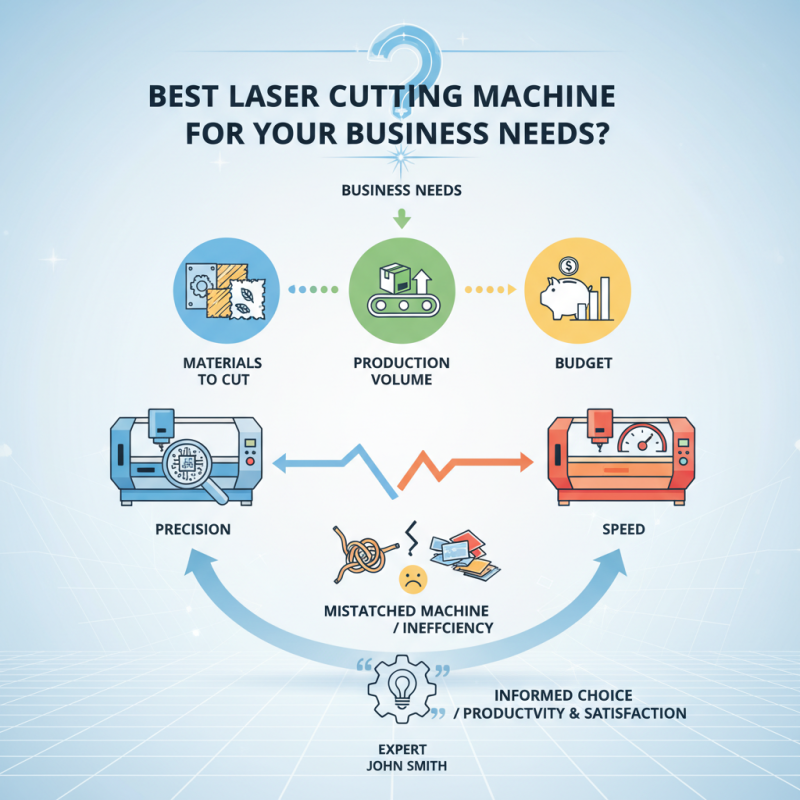
In a rapidly advancing manufacturing landscape, choosing the right laser cutting machine can define a business's success. Expert John Smith, a leader in laser technology, once remarked, "The right equipment empowers creativity and efficiency." The decision to invest in a laser cutting machine is critical and warrants careful consideration.
laser cutting machines are not all created equal. Each model comes with its unique capabilities and limitations. Businesses must assess their needs—materials to cut, production volume, and budget. A machine that excels in precision may lack speed. Conversely, a high-speed model may falter in detailed designs.
Some companies rush this decision, only to face challenges later. A mismatched laser cutting machine can lead to inefficiencies and wasted materials. It's essential to reflect on specific requirements. Why is this important? Because an informed choice will enhance productivity and satisfaction in the long run.
Understanding Laser Cutting Technology and Its Applications
Laser cutting technology has transformed the manufacturing landscape. This method utilizes focused laser beams to cut materials with precision. Industries are embracing this technology for its efficiency and versatility. According to a recent market report, the global laser cutting machine market is projected to reach $6 billion by 2026. This growth underlines the importance of this technology in various sectors, including automotive, aerospace, and healthcare.
The applications of laser cutting are vast. It can precisely cut metals, plastics, textiles, and even wood. Many businesses have reported improved productivity by over 30% since implementing laser cutting. However, not all companies are reaping the same benefits. Some struggle with maintenance issues and operational training, which can hinder their progress. Investing in user-friendly equipment and training is crucial for long-term success.
Additionally, the energy efficiency of laser cutting machines is notable. They reduce waste significantly compared to traditional cutting methods. Yet, the initial investment can be daunting for small businesses. Understanding the trade-offs between cost and efficiency is essential. Companies must evaluate their specific needs to find the right balance. Adopting this technology is not just about cutting costs; it's about enhancing capabilities.
Best Laser Cutting Machine for Your Business Needs
| Machine Type | Power (W) | Cutting Area (mm) | Material Types | Approx. Price ($) |
| CO2 Laser Cutter | 40-150 | 1200 x 800 | Wood, Acrylic, Glass | 2500 - 10000 |
| Fiber Laser Cutter | 100-300 | 1500 x 3000 | Metal, Steel, Aluminum | 10000 - 50000 |
| Galvo Laser Cutter | 20-50 | 300 x 300 | Plastic, Metal | 5000 - 15000 |
| Entry-Level Laser Cutter | 40-80 | 600 x 400 | Wood, Acrylic, Paper | 1000 - 3000 |
Key Factors to Consider When Choosing a Laser Cutting Machine
Choosing the right laser cutting machine for your business is crucial. There are several key factors to consider. First, understand the materials you will be cutting. Different machines excel with specific materials like wood, acrylic, or metal. According to industry data from the Laser Institute, about 40% of businesses use laser cutters for non-metal materials. This highlights the need for a versatile machine.
Another important factor is power and speed. A higher wattage often means faster cutting. Machines with 100W to 150W are common for industrial use. Yet, a powerful machine isn't always necessary. If your projects are smaller, a 40W machine might suffice. However, many businesses underestimate their future needs. Consider your growth to avoid early replacement.
Lastly, evaluate the machine's software compatibility. Modern machines often come with advanced software, enhancing productivity. Yet, not all software is user-friendly. Some reports from the Manufacturing Technology Channel suggest that 30% of users face issues with learning curves. This can lead to wasted time and resources, making software compatibility a key consideration.
Comparing Different Types of Laser Cutting Machines
When choosing a laser cutting machine, it's vital to compare different types. There are CO2 and fiber lasers. Each has unique strengths. CO2 lasers excel at cutting organic materials like wood and acrylic. They produce high-quality finishes but may struggle with metal.
On the other hand, fiber lasers are better for metals. They work faster and are more energy-efficient. However, they can be more expensive upfront. It’s important to evaluate your specific needs. If your projects involve various materials, a versatile machine may be best.
Consider the machine's ease of use and maintenance. Some machines require more setup and upkeep. Not all machines provide the same level of support. This can lead to frustrations down the line. Evaluate what skills your team has. Ensure you choose a machine that fits within your capabilities. Reflect on your long-term goals, as this will guide your choice.
Evaluating Cost-Effectiveness for Business Needs
When considering a laser cutting machine, cost-effectiveness is a priority. Many businesses seek machines that not only perform well but also provide a solid return on investment. A report from the Laser Institute indicates that the average cost savings for companies using laser cutting technology can reach up to 30% over traditional methods. This data emphasizes the potential benefits of making an informed choice.
Maintenance costs also play a crucial role. Some machines require regular servicing. This can lead to unexpected expenses. Businesses need to account for ongoing costs when evaluating equipment. Research shows that machine downtime can lead to losses of thousands each hour. It’s essential to select a machine that minimizes downtime and enhances productivity.
Moreover, the initial purchase price isn't the only factor. Sometimes the cheapest option may not be the best. A machine with a lower upfront cost might lack efficiency. According to the Manufacturing & Technology Conversion Summit, companies often underestimate long-term operational costs. Evaluating energy consumption, material usage, and speed can illuminate better choices. Balancing upfront costs with future savings can lead to better overall outcomes.
Maintenance and Support for Laser Cutting Equipment
When choosing a laser cutting machine, maintenance is crucial. Regular upkeep ensures the equipment runs smoothly. Neglecting this can lead to costly downtime. Schedule routine checks to keep the machine in optimal condition. Inspect lenses and mirrors regularly. They can accumulate dust and debris, affecting cutting quality.
Support is equally important. Access to help can make or break your experience. Look for reliable technical support from your supplier. Can they assist when issues arise? Trouble can crop up unexpectedly. Having a support team to troubleshoot problems is invaluable. Investing in training for your staff can also pay off in the long run.
Relying solely on a manual isn’t enough. Hands-on experience is key to mastering the machine. Mistakes may happen, and that’s okay. Learning from them helps improve processes. Regular feedback sessions can enhance team performance. A collaborative approach encourages growth and adaptation in your laser cutting operations.
Laser Cutting Machine Maintenance Frequency
This chart illustrates the maintenance frequency of laser cutting machines according to different schedules. Regular maintenance is essential for optimal performance and longevity of the machines.