2026 Best Eco-Friendly Nylon Cable Gland Manufacturer Options?
In recent years, sustainability has become a critical focus for manufacturers. The demand for eco-friendly products is growing rapidly. Among these products, the eco-friendly nylon cable gland has gained significant attention. As industries strive to reduce their carbon footprints, selecting the right manufacturer becomes essential.
When searching for an eco-friendly nylon cable gland manufacturer, several factors come into play. Quality, production methods, and environmental impact are key considerations. Not all manufacturers prioritize sustainability. Some may offer products that lack true eco-friendliness, which can lead to disappointment. Therefore, it is vital to research and assess various options thoroughly.
Choosing a manufacturer with a proven track record in sustainability can be challenging. Not every brand will meet these critical criteria. Reflecting on your choices is important. By understanding what makes an eco-friendly nylon cable gland manufacturer stand out, you can make an informed decision. This exploration will guide you toward options that align with both your needs and environmental values.
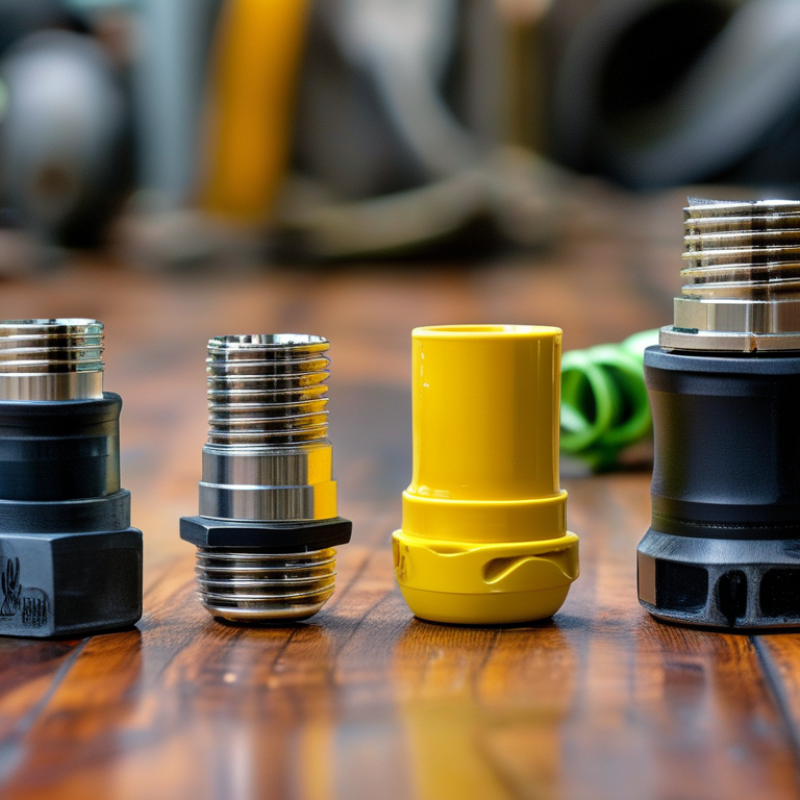
Understanding Eco-Friendly Nylon Cable Glands and Their Importance
Eco-friendly nylon cable glands play a vital role in sustainable cable management. These components protect cables while minimizing environmental impact. Traditional nylon cable glands often contribute to plastic waste, but eco-friendly options use recycled materials instead. This shift benefits both industries and the planet.
The production of eco-friendly nylon cable glands requires less energy and resources. Manufacturers focus on reducing their carbon footprint. By choosing sustainable materials, they help promote a circular economy. This shift is not just beneficial for the environment; it also enhances corporate responsibility. Businesses can showcase their commitment to sustainability.
However, issues remain. Not all eco-friendly options meet quality and performance standards. Buyers may struggle to find reliable products. Some eco-friendly cable glands may still be expensive. This reinforces the need for thorough research and vetting. Industry standards must evolve to ensure all options are truly sustainable. Balancing cost and quality remains a challenge for many companies.
Key Features to Look for in Eco-Friendly Nylon Cable Glands
When selecting eco-friendly nylon cable glands, several features stand out. First, durability is critical. Look for glands that withstand harsh conditions, such as extreme temperatures and moisture. They should resist corrosion and UV degradation. These qualities assure longevity in various applications, from outdoor installations to industrial settings.
Another essential aspect is environmental sustainability. Seek products made from recycled materials or bio-based sources. This reduces the carbon footprint associated with production. Certifications from recognized organizations also signify commitment to eco-friendly practices. Transparent sourcing is a plus, often indicating a responsible manufacturing process.
It’s useful to consider design as well. Effective sealing against dust and water enhances performance. Designs that simplify installation contribute to efficiency. Ensuring user-friendliness can mitigate errors and lead to better outcomes. However, some products may sacrifice cost-effectiveness for sustainability. Balancing these factors is crucial for effective purchasing decisions.
2026 Best Eco-Friendly Nylon Cable Gland Features
This chart displays key features of eco-friendly nylon cable glands evaluated on a scale of 1 to 10. The ratings indicate the performance and environmental friendliness of various features such as UV resistance, temperature range, mechanical strength, chemical resistance, and overall environmental impact.
Top Manufacturers of Eco-Friendly Nylon Cable Glands in 2026
In 2026, eco-friendly nylon cable glands are gaining momentum. These components are vital for cable management and protection in many industries. Manufacturers are increasingly recognizing the importance of sustainability. They are innovating materials to ensure lower environmental impact. This shift is crucial as industries strive to meet eco-conscious standards.
Leading manufacturers focus on quality and sustainability. They invest in research to develop advanced nylon formulations. The goal is to create products that resist abrasion and harsh weather conditions while being biodegradable. Designing eco-friendly cable glands involves balancing durability and environmental responsibility. This challenge remains significant for many producers. They must navigate consumer expectations and regulatory requirements.
Many emerging manufacturers showcase expertise in eco-design. They share valuable insights about sustainable practices and material sourcing. Yet, some manufacturers face difficulties in scaling operations. This reflects a need for ongoing improvement in production processes. The journey toward a greener future in cable management is ongoing, with numerous opportunities for innovation.
Comparative Analysis of Eco-Friendly Nylon Cable Gland Options
When exploring eco-friendly nylon cable glands, it's essential to analyze their construction and materials. These glands typically use recycled materials or bioplastics, reducing environmental footprints. However, not every product marketed as eco-friendly meets stringent environmental standards. Critical examination of their certifications is necessary.
Performance is another key factor. Eco-friendly options might not always mimic the durability of traditional materials. For instance, temperature resistance and chemical compatibility can vary widely. The manufacturing process should also be transparent. Ethical sourcing of raw materials contributes to overall sustainability but requires careful validation.
Consumers may feel overwhelmed by choices. A focus on specific requirements can help. For example, consider the application environment – moist, corrosive, or extreme temperatures. Not every eco-friendly cable gland can handle these conditions. Buyers must weigh sustainability against practicality, leading to a more informed decision.
Sustainability Practices in the Production of Nylon Cable Glands
The production of nylon cable glands has evolved significantly in recent years. Many manufacturers are now prioritizing sustainability practices. Using recycled materials is one common approach. This can reduce waste and minimize environmental impact.
Another aspect is the reduction of harmful chemicals during production. Manufacturers are adopting eco-friendly processes. This helps in creating a safer environment for workers. It's important to consider the energy sources used in manufacturing as well. Renewable energy options are becoming more prevalent, but not universal.
Despite these advancements, challenges remain. Not all manufacturers commit fully to sustainable practices. A focus on cost can sometimes override environmental considerations. Consumers must question the true sustainability of products. Transparency in the production process is crucial. Only then can we make informed choices for a greener future.