2026 Best Damper Actuator Options for Your Needs?
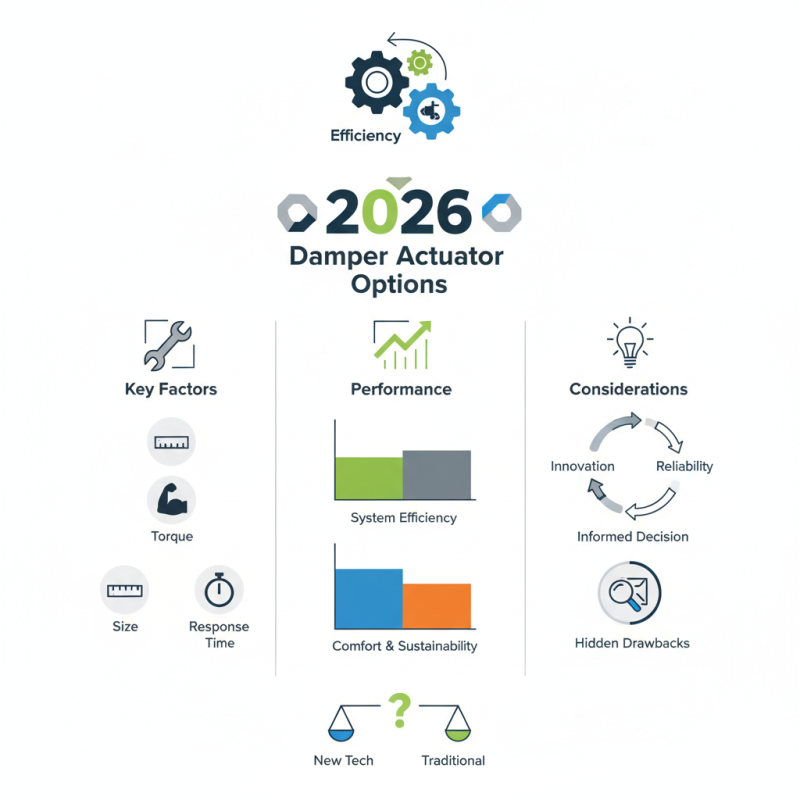
In the world of HVAC systems, choosing the right Damper Actuator is crucial. Industry expert James Thompson emphasizes, "Selecting the right actuator can enhance system efficiency significantly." With growing energy demands, the performance of these devices directly affects comfort and sustainability.
When assessing options for 2026, one must consider various factors like size, torque, and response time. Many actuation systems may fall short in one area, leading to inefficiencies. It's important to account for the specific needs of your application. Sometimes, the perfect product may have hidden drawbacks that demand careful evaluation.
While new technologies continue to emerge, some traditional actuators still have merit. Reflecting on past choices may reveal pitfalls. Striking the right balance between innovation and reliability is key to making an informed decision about your Damper Actuator needs.
Understanding Damper Actuators: What They Are and How They Work
Damper actuators play a crucial role in HVAC systems. They are devices that control the flow of air. When you adjust a damper actuator, you modify the air movement in a space. This control is vital for energy efficiency and comfort.
Understanding how these actuators work helps in choosing the right one. Most are motor-driven and can be electric or pneumatic. They respond to signals from thermostats or control systems. This mechanism allows for precise temperature and airflow management. It's fascinating how a small device can optimize an entire environment.
**Tip:** Always check the compatibility with your system. Not all actuators fit every type of damper.
Installation can be a challenge. It's important to ensure the actuator aligns correctly with the damper. Misalignment can lead to inefficiency and wear. Sometimes, even a simple adjustment can solve significant issues.
**Tip:** Regular maintenance is essential. Cleaning and checking connections can prolong actuator life and improve performance.
2026 Best Damper Actuator Options for Your Needs
| Type | Operating Voltage | Torque (Nm) | Control Type | Mounting Style | Price Range |
| Electric | 24V DC | 15 | Digital | Direct | $100 - $150 |
| Pneumatic | Compressed Air | 30 | Analog | Flange | $200 - $300 |
| Hydraulic | Hydraulic Fluid | 50 | Digital | Inline | $300 - $450 |
| Electric | 120V AC | 20 | PWM | Direct | $120 - $170 |
| Pneumatic | Compressed Air | 25 | Digital | Flange | $250 - $350 |
Types of Damper Actuators: Mechanical vs. Electronic Options
When selecting damper actuators, the choice between mechanical and electronic options is crucial. Mechanical actuators are simple and reliable. They work through physical means like levers or gears. In contrast, electronic actuators are driven by motors and offer precise control. According to a recent industry report, the demand for electronic actuators is expected to grow by 15% annually, reflecting their increasing adoption in HVAC systems.
Mechanical actuators can be less expensive upfront. However, they may require more maintenance over time. Electronic options, while higher in initial cost, provide enhanced efficiency. Their ability to adjust settings in real-time can lead to energy savings. This aspect is vital as energy costs continue to rise. A study found that efficient control systems can reduce energy consumption by up to 30%.
Tips: Consider the specific application when choosing actuators. Complexity does not always equal effectiveness. Evaluate the environment where the actuator will be used. Sometimes, simpler designs withstand harsh conditions better than advanced ones. Regularly assessing the actuator performance can help identify issues early.
2026 Best Damper Actuator Options for Your Needs
Key Factors to Consider When Choosing a Damper Actuator
Choosing the right damper actuator can be challenging. Many factors influence this decision. The application of the actuator is vital. Different settings require different performance levels. For example, industrial environments often need robust and durable designs.
Load capacity is another key aspect. Understand the weight the actuator must handle. Consider how this weight affects efficiency. Speed control also plays a significant role. Actuators must respond quickly to changes in airflow. This is crucial in HVAC systems for comfort.
Maintenance needs can impact your choice too. Some models require regular check-ups. Others might offer a more reliable, low-maintenance experience. Evaluate the space where the actuator will be installed. Tight spaces may limit options. Custom solutions can add complexity and cost. The selection process can feel overwhelming. Reflecting on these factors helps in making an informed choice.
Top Brands and Models of Damper Actuators for 2026
In 2026, the market for damper actuators is evolving rapidly. The demand for energy-efficient solutions is driving innovation. According to industry reports, the global market for HVAC actuators is projected to reach $1.5 billion by 2026, growing at a CAGR of 6%. This significant growth highlights the necessity for reliable and advanced technologies.
Different applications require specific actuator designs. Some options offer excellent precision but may lack in response speed. Others are fast but struggle with accuracy. The balance between these features is crucial for system performance. It's essential to evaluate your requirements and the actuator's capabilities. Quality analysis can lead to better decision-making, minimizing installation issues and future maintenance.
User experience is also a key consideration. Reports indicate that 30% of companies report dissatisfaction with their actuator choices due to lack of customization. This highlights the need for thoughtful selection based on unique project demands. By assessing the available models, you can find the best fit. The focus should always be on real-world performance data and adaptability in complex systems.
Tips for Installation and Maintenance of Damper Actuators
Installing and maintaining damper actuators is crucial for optimal performance. Proper installation ensures efficient airflow control. According to industry data, correct setup can improve system efficiency by 15-20%. The actuator should be aligned with the damper accurately. Misalignment can lead to increased wear and possible failure.
Routine maintenance is equally important. Regular checks help identify issues early. For instance, lubricating moving parts every six months can prolong actuator life. Monitor the actuator’s response time. A delay may indicate a need for adjustment or replacement. As per recent reports, 30% of HVAC failures stem from neglected actuator issues.
Tips for installation include ensuring all electrical connections are secure. An unstable connection can lead to intermittent failure. After installation, run a full system test. Observe the actuator’s performance under load. This proactive approach can prevent unexpected breakdowns. Keep a maintenance log. Documenting service history enhances communication with technicians.