What is the Best Chiller Series for Home and Industrial Use?
In the quest for efficient cooling, choosing the right Chiller Series is crucial. Both homes and industries require systems that meet specific demands. According to the latest report by the International Energy Agency (IEA), chillers account for about 10% of global electricity consumption. This highlights the need for energy-efficient options in the chiller market.
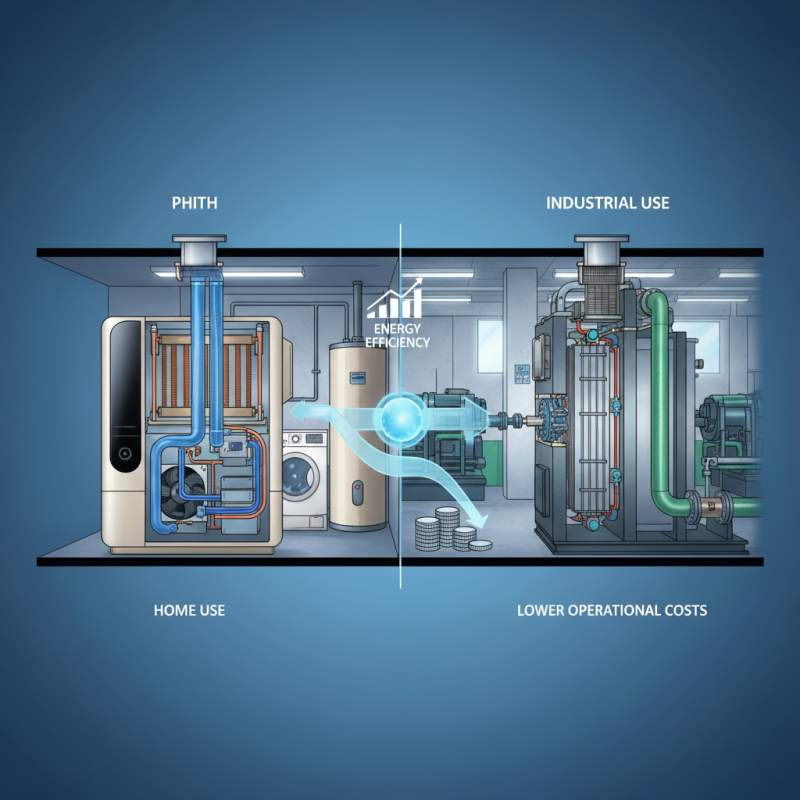
Expert John McCarthy, a leading HVAC consultant, emphasizes, “The right chiller series can significantly lower operational costs.” His perspective underlines the balance between performance and sustainability. The market offers various designs, from air-cooled to water-cooled systems. Each type has its advantages and limitations.
Still, many consumers face challenges in making the best choice. Some may overlook vital factors such as cooling capacity and energy efficiency ratings. The temptation to opt for lower upfront costs can lead to greater expenses in the long run. Hence, understanding the right chiller series is essential for achieving optimal performance.
Understanding the Basics: What Is a Chiller and Its Types?
Chillers play a crucial role in both home and industrial settings. They are cooling systems that remove heat from liquids through a vapor-compression or absorption refrigeration cycle. Understanding the different types of chillers can help users make informed choices. There are air-cooled and water-cooled chillers, each with unique features.
Air-cooled chillers are often preferred for residential use. They are easier to install and maintain. They expel heat to the air, making them less efficient in high-temperature environments. This can lead to unexpected costs. On the other hand, water-cooled chillers are typically more efficient for industrial applications. They utilize water to dissipate heat, which can be more effective. However, they require additional water supply infrastructure, raising potential challenges.
When choosing a chiller, consider usage and environment. Residential chillers need to be compact and quiet, while industrial chillers require high capacity. Reflecting on needs is essential. The right choice can save energy and reduce costs over time. Balancing these factors can be tough but is crucial for optimal performance.
Key Factors to Consider When Selecting a Chiller for Home Use
When selecting a chiller for home use, several key factors come into play. The size of your home is crucial. A larger space may require a powerful unit, while smaller homes need something more compact. Efficiency is another important aspect. Look for models that consume less energy but still provide adequate cooling. This can lead to savings on utility bills.
Noise levels matter too. Some chillers can be quite loud. If you have a quiet home, a noisy chiller can be disruptive. Think about where you will place the unit. It should fit comfortably without overwhelming the space. Lastly, consider maintenance needs. Regular upkeep is necessary for optimal performance. Some models might be easier to maintain than others. Reflect on how much time you can devote to this.
In conclusion, finding the perfect chiller isn't straightforward. You may need to compromise on certain features. Every choice comes with its pros and cons. It's essential to weigh these against your specific needs and preferences. Balancing capacity, efficiency, and comfort is key to making the right decision.
Comparison of Chiller Performance for Home and Industrial Use
Industrial Chillers: Overview of Efficiency Ratings and Performance Metrics
When considering industrial chillers, efficiency ratings and performance metrics are crucial. These factors determine not just energy consumption but overall operational costs. Chillers often operate continuously, making their efficiency directly impact your budget. Understanding these ratings can help in selecting a more suitable unit for your needs.
Performance metrics like cooling capacity and energy efficiency ratio (EER) are essential. A chiller's capacity indicates how much heat it can remove from a space. High EER values show better performance; however, high numbers may not always mean the best choice for your operation. It’s important to look at your specific cooling requirements. Sometimes, a unit with a slightly lower EER may suit your needs better.
While choosing, it’s also vital to consider maintenance costs. Complex systems can lead to more frequent repairs. Simple designs are easier to maintain and offer reliable performance. The balance between efficiency and practicality is key. Each operation varies; thus, careful evaluation of all metrics is necessary.
Comparing Leading Chiller Brands: What the Data Reveals
When comparing chiller brands, data can reveal significant insights. Home users prioritize energy efficiency and noise levels. They prefer models that operate quietly. An average household chiller should also be easy to maintain. A few models stand out for their design and functionality. However, not every option is perfect.
Industrial users have different needs. They focus on cooling capacity and durability. For these applications, chillers must handle larger volumes. Brands often advertise impressive specs, but real-world performance varies. Feedback from users sometimes highlights issues with reliability.
Additional factors come into play, such as installation ease and customer support. Some brands excel in one area, but lag in another. It's essential to evaluate long-term costs too. A chiller that saves energy might have a higher upfront cost. In contrast, a cheaper option may lead to higher electricity bills over time. Balancing these elements requires careful thought and attention to detail.
Future Trends in Chiller Technology for Residential and Industrial Applications
Chiller technology is evolving rapidly, impacting both residential and industrial applications. Energy efficiency is becoming crucial. New designs focus on reducing energy consumption while maintaining performance. Smart technology integration allows for better monitoring and control. Homeowners now desire systems that adjust to their needs automatically. Industrial users prioritize durability and low maintenance costs, which are easier to achieve with new materials.
Sustainability is another vital trend. Many are looking for chillers that use environmentally friendly refrigerants. Traditional options are being phased out due to environmental regulations. However, some manufacturers still push outdated technology despite clear benefits from newer models. There’s a challenge in balancing cost and sustainability. The initial investment may be higher, but long-term savings can offset this. Users must consider both price and potential savings over time.
Innovation continues to shape chiller systems. Modular solutions are gaining popularity for their flexibility and scalability. These systems can grow with the needs of users. However, not every installation is suitable for modular designs. Some buildings may face space limitations or other constraints. As technology advances, user education becomes critical. Being informed about choices can lead to better decisions and optimized performance.