Best Carbon Steel Pipe Options for Global Buyers?
Carbon Steel Pipe options are critical for industries worldwide. These pipes offer durability and strength, making them suitable for various applications. Global buyers face unique challenges and choices when selecting the best options.
Understanding the properties of Carbon Steel Pipe is essential for making informed decisions. This material is often chosen for its resistance to wear and high temperatures. However, not all carbon steel pipes are created equal. Quality and standards vary significantly across manufacturers.
Buyers should consider factors like the grade of carbon steel, sizing, and compliance with international standards. Each project may require different specifications. It’s crucial to balance cost-effectiveness with quality. Engaging with reliable suppliers can make a difference. Reflecting on personal experiences with past purchases can provide insight. Ultimately, the quest for the best Carbon Steel Pipe requires careful thought and research.
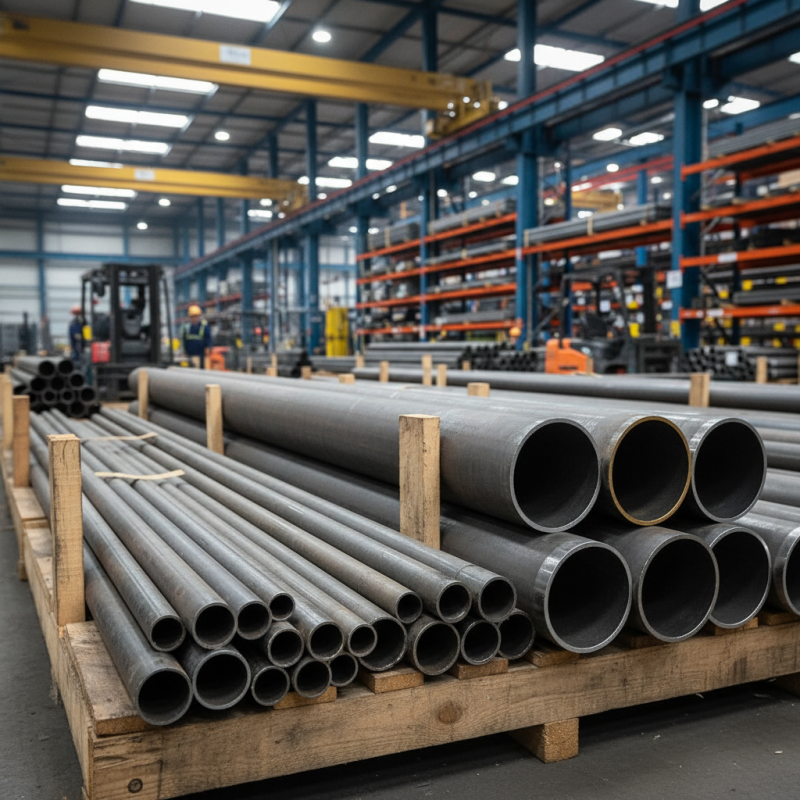
Best Carbon Steel Pipe Options for Global Buyers: An Overview
When considering carbon steel pipe options, it's crucial to understand the diverse applications and specifications. Carbon steel pipes are favored in industries such as construction, oil and gas, and energy. The most common grades include ASTM A53 and ASTM A106, which offer different strengths and durability. Buyers should evaluate their particular needs to select the most suitable type.
Tips: Always check the pipe's specifications. Look for certifications and testing documents. This ensures the pipes meet industry standards.
Another key factor is the manufacturing method. Seamless pipes often provide better pressure resistance than welded pipes. However, welded options can be more cost-effective for certain applications. Understanding the nuances helps buyers make informed decisions.
Tips: Consult with industry experts. Engaging with professionals will provide insights into the latest trends and technologies in carbon steel piping.
Finally, logistics play a significant role. Consider the shipping options and costs involved. Time delays can occur, and global buyers must plan accordingly. Having backup suppliers can be beneficial in mitigating risks.
Key Factors Influencing Carbon Steel Pipe Selection for Buyers
When choosing carbon steel pipes, several critical factors come into play. Buyers must prioritize the specifications of the pipes. Different applications require different grades and sizes. For instance, the American Society for Testing and Materials (ASTM) has outlined various classifications that help buyers determine the most suitable option for their needs.
Durability is another vital factor. Carbon steel pipes are known for their strength and resistance. According to a report by the World Steel Association, carbon steel pipes can withstand high pressure and extreme conditions better than many alternatives. However, buyers should also consider the specific environmental conditions they will face. For example, exposure to harsh chemicals can lead to corrosion over time, undermining the advantages of carbon steel.
Cost-effectiveness is equally essential. While carbon steel pipes generally offer lower upfront costs, maintenance and longevity must be evaluated. The Petrochemical Industry Association notes that choosing the right type can reduce overall expenses significantly. A less durable pipe might save money at purchase but cost more in the long term due to repairs. Balancing these factors is crucial for making informed purchasing decisions.
Comparative Analysis of Carbon Steel Pipe Grades and Their Applications
When evaluating carbon steel pipe grades, understanding their various applications is crucial. There are several grades of carbon steel pipes, each with distinct characteristics. For instance, grade API 5L is widely used in the oil and gas industry due to its excellent strength and durability. It is suitable for transporting fluids under high pressure. In contrast, grade A106 pipes are often preferred for high-temperature applications, making them essential for power plants and industrial boilers.
However, not every application fits every grade. Some buyers may overlook the importance of selecting the right specifications. For example, using a low-grade pipe in a high-stress environment can lead to significant failures. Additionally, the lack of proper compliance with industry standards raises concerns. Such oversights can ultimately affect project safety and integrity.
Incorporating innovative inspection techniques can help ensure the quality of carbon steel pipes. Regularly assessing their welded joints and corrosion resistance is vital. Yet, not all buyers invest in comprehensive evaluation processes. This leaves room for improvement. Understanding the properties and limitations of each grade is critical for making informed choices.
Market Trends and Pricing Analysis for Carbon Steel Pipes Worldwide
The carbon steel pipe market is experiencing dynamic shifts influenced by global demand and resource availability. Recent reports indicate that demand for carbon steel pipes rose by approximately 5% in 2022, driven mainly by infrastructure projects in emerging economies. As countries invest in construction, the usage of carbon steel pipes has surged, impacting prices globally. Current price averages fluctuate between $800 to $1,200 per ton, reflective of material costs and geopolitical factors.
In North America, a notable trend is the increasing adoption of sustainable practices within the industry. Carbon reduction initiatives are influencing new projects, pushing for lower emissions in production. Additionally, with increasing scrap prices, the recycling market for carbon steel pipes is also gaining traction. However, challenges persist, including disruptions in supply chains due to political instability and trade tariffs. As buyers navigate these complexities, understanding market intelligence and forecasting prices becomes essential for strategic sourcing decisions.
Carbon Steel Pipe Market Trends and Pricing Analysis
Sustainability Considerations in Carbon Steel Pipe Manufacturing and Use
Carbon steel pipes are widely used due to their versatility. However, the environmental impact of their production deserves scrutiny. Manufacturing carbon steel involves extracting raw materials, often from mining activities. These processes can lead to habitat destruction and pollution. Therefore, considering sustainable practices is vital for reducing the carbon footprint.
Recycling is one effective strategy for sustainability in carbon steel production. Using recycled steel reduces energy consumption significantly. It decreases the emissions associated with mining and refining raw materials. Manufacturers should focus on processes that enhance recyclability and limit waste. Investing in energy-efficient technologies also plays a crucial role.
Consumer awareness is essential in promoting sustainability. Buyers need to reflect on the lifecycle impact of carbon steel pipes. Opting for manufacturers with clear environmental policies shows a commitment to greener practices. Engaging in discussions about sustainability can lead to innovations that benefit everyone. Ultimately, collective action is necessary to ensure that carbon steel pipes contribute positively to our world.