What are the Best Biogas Purification Methods for Industries?
Biogas Purification has emerged as a critical process for industries aiming to maximize the value of biogas. According to Dr. Emily Carter, a leading expert in biogas purification, “The choice of purification method can greatly affect efficiency and economic viability.” This speaks to the complex landscape of options available for industrial applications.
The importance of biogas purification cannot be overstated. Industries rely on methods like membrane separation and pressure swing adsorption to enhance biogas quality. These technologies help remove unwanted gases, making biogas suitable for diverse applications. Each method has its strengths and weaknesses, revealing the necessity for tailored solutions.
As industries adopt biogas purification, challenges remain. Selecting the right purification method requires careful consideration of factors like cost, efficiency, and operational conditions. Striking the right balance is not easy and often leads to reflection on previous choices. Continuous innovation and learning are needed in this evolving field to ensure optimal outcomes.
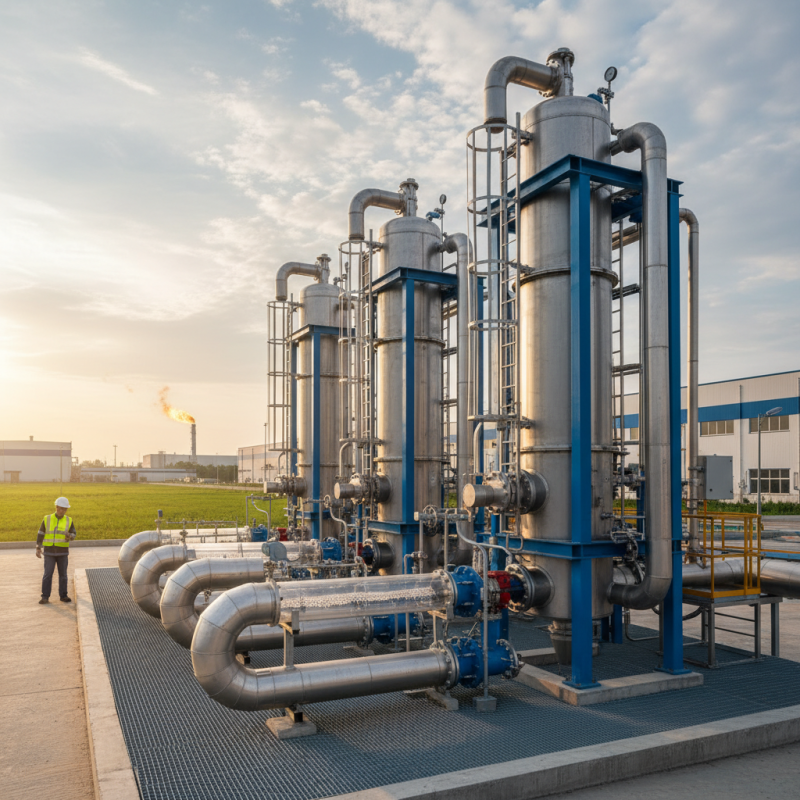
Overview of Biogas Purification and Its Importance in Industries
Biogas purification is crucial in industries that utilize renewable energy. It involves removing contaminants such as hydrogen sulfide, carbon dioxide, and water vapor from biogas. The purified gas can then be used for electricity generation or as a vehicle fuel. Efficient biogas purification enhances energy yield and minimizes environmental impacts.
Understanding the purification process is essential. Effective methods vary from physical absorption to biological techniques. Each method has its benefits and limitations. Industries may need to combine several purification strategies for optimal results. Regular assessments must be conducted to ensure the purification process meets safety and quality standards.
Tips for proper biogas purification include monitoring gas composition frequently. This ensures that any shift in composition can be addressed promptly. Also, maintaining equipment regularly helps prevent inefficiencies. Training staff about the purification process fosters a culture of safety and enhances operational effectiveness. Industries should not overlook the importance of documentation and analysis of data. Reflecting on past outcomes can lead to improvements in the purification methods used.
Common Impurities Found in Biogas and Their Impact on Industrial Use
Biogas is a renewable energy source, but it often contains impurities that affect its usability in industries. Common impurities include carbon dioxide, hydrogen sulfide, and moisture. Carbon dioxide lowers the energy content of biogas, making it less efficient for combustion processes. Hydrogen sulfide is corrosive and can damage equipment over time. This poses significant risks for industrial applications.
Moisture can lead to pipeline blockages and affect biogas quality. Removing these impurities is essential for optimal performance in various industries. Techniques such as scrubbing and membrane separation are often used to purify biogas, but each method has its drawbacks. Scrubbing can be effective but may require substantial energy.
Understanding these impurities is critical for industrial users. The selection of appropriate purification methods can extend equipment lifespan and improve overall efficiency. However, industries often face challenges in implementation due to costs and varying biogas compositions. This calls for continuous evaluation and adaptation of purification strategies to maximize the benefits of biogas.
Key Biogas Purification Methods: Analyzing Effectiveness and Applications
Biogas purification plays a crucial role in enhancing the quality of biogas produced from organic waste. Various methods are implemented across industries, each with unique advantages and limitations. Among these, water scrubbing is one of the oldest and most effective techniques. This method is efficient in removing hydrogen sulfide and carbon dioxide, but it may not be suitable for all biogas compositions.
Pressure swing adsorption (PSA) is another popular method. It effectively separates methane from impurities under high pressure. PSA is known for its effectiveness, but it also requires significant energy input. This can lead to higher operational costs. While PSA offers great results, industries need to evaluate energy consumption.
Membrane separation is an innovative approach gaining traction. It utilizes selective permeable membranes to separate methane from other gases. The simplicity of the technology is appealing, but its performance can be inconsistent depending on feed gas composition. Each method has its merits and challenges, requiring careful consideration to match specific industry needs.
Comparative Analysis of Physical, Chemical, and Biological Purification Techniques
Biogas purification in industries is crucial for enhancing energy efficiency. Different methods exist, each with unique advantages and challenges. Physical techniques often leverage membrane filtration or absorption. They offer immediate results and are easier to integrate. However, they can be costly and may not achieve complete purification.
Chemical techniques involve using solvents or catalysts. They can remove specific impurities effectively. Yet, handling chemicals requires strict safety protocols, adding complexity. Biological methods, relying on microorganisms, offer eco-friendly alternatives. They require less energy but need more time and careful management.
Tips for choosing a method are essential. Assess the specific impurities present in the biogas. This assessment helps in selecting a purification technique that maximizes efficiency. Consider the operational costs versus potential energy gains. A well-planned investment can lead to sustainable practices in the long run.
Regular monitoring is vital, regardless of the method chosen. Keep track of the system's performance. Adjustments may be necessary, as variations in biogas composition can affect purification efficiency. Striving for continuous improvement ensures that the chosen method remains effective over time.
Future Trends in Biogas Purification Technologies for Industrial Applications
The future of biogas purification technologies is promising. As industries continue to seek sustainable solutions, innovative methods are emerging. Current technologies focus on increasing efficiency while reducing costs. Membrane separation and pressure swing adsorption show significant potential. These methods enhance methane purity, ensuring high-quality biogas for energy applications.
However, challenges persist. The initial investment for advanced systems can be substantial. Additionally, operational complexities may deter smaller enterprises. Businesses must weigh the benefits against these challenges. Continuous research is essential to simplify processes. It could lead to breakthroughs that make purification more accessible.
Future trends indicate a shift toward hybrid systems. Combining different purification methods could yield better results. This synergy might improve overall gas quality. Ongoing collaborations between industry leaders and research institutions are vital. They can share knowledge and accelerate innovation. The landscape of biogas purification will undoubtedly evolve, pushing the boundaries of what is possible.
What are the Best Biogas Purification Methods for Industries?
| Purification Method | Efficiency (%) | Cost ($/m³) | Common Applications | Future Trends |
| Water Scrubbing | 85-95 | 0.50-1.00 | Small to Medium Biogas Plants | Enhanced efficiency with membrane technology |
| Chemical Absorption | 90-98 | 1.50-2.50 | Large Scale Industries | Integration of sustainable chemicals |
| Pressure Swing Adsorption (PSA) | 95-99 | 2.00-3.00 | Biomethane Production | Improved energy efficiency through automation |
| Membrane Separation | 85-99 | 1.00-2.00 | Small to Large Biogas Facilities | Innovative materials for higher flux rates |
| Cryogenic Separation | 99 | 5.00-10.00 | Natural Gas Upgrading | Cost reduction through advanced cooling systems |