Top 10 Benefits of Humeral Interlocking Nail for Fractures?
Understanding the benefits of the Humeral Interlocking Nail is essential in modern orthopedic practices. This device, widely used for humeral fractures, has garnered attention due to its effectiveness. According to a recent industry report, about 20% of all orthopedic surgeries involve some form of fracture fixation. The Humeral Interlocking Nail stands out among these techniques.
This innovative nail offers stability and support, enabling faster recovery. Studies indicate patients experience reduced healing time, often returning to normal activities within weeks. This is significant considering that bone healing traditionally takes several months. Moreover, the Humeral Interlocking Nail minimizes complications, such as infection rates, which are reportedly lower in patients using this method compared to traditional fixation approaches.
However, challenges remain. Not all fractures may be suitable for this device, and surgical skill is critical for successful outcomes. Additionally, some patients report discomfort during recovery. These aspects highlight the need for ongoing research and reflection in techniques. The advantages of the Humeral Interlocking Nail are evident, yet considerations on its application and patient selection are crucial for optimal results.
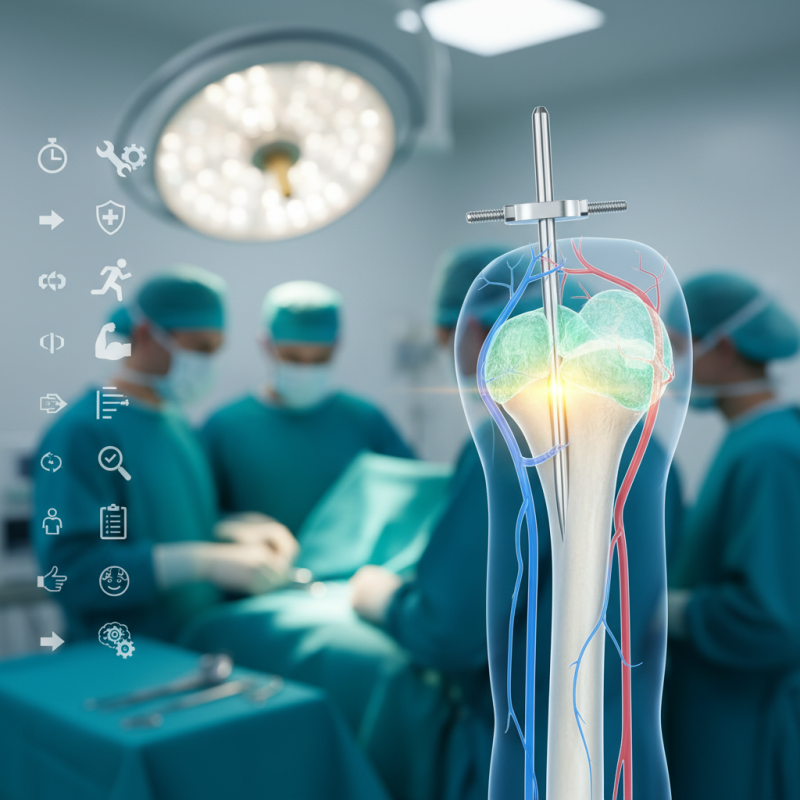
Overview of Humeral Interlocking Nails in Fracture Treatment
Humeral interlocking nails are a modern solution for treating fractures. These nails are inserted into the humerus, stabilizing broken bones. They allow for optimal alignment during the healing process. Surgeons utilize advanced imaging techniques to ensure precise placement. This tool significantly enhances recovery outcomes.
The advantages of using these nails include reduced surgery time and minimal soft tissue damage. Patients experience less pain post-operation, leading to quicker rehabilitation. Additionally, the locking mechanism provides strong internal stabilization. This feature is crucial for complex fractures. Although the procedure is effective, some challenges arise. Potential complications like infection or improper alignment can occur. Continuous advancements in techniques are necessary to address these issues.
Long-term studies show promising results, yet it's essential to monitor patients closely. Every case is unique, requiring tailored treatment approaches. Despite the benefits, patients should be well-informed. Understanding the risks aids in making better decisions regarding their treatment. The field continues to evolve, and there's always room for improvement.
Top 10 Benefits of Humeral Interlocking Nail for Fractures
Enhanced Stability and Support in Humeral Fractures
Humeral interlocking nails have become a popular choice for treating humeral fractures. They provide enhanced stability and support during the healing process. This innovative approach ensures the fractured bone fragments stay properly aligned. When stability is improved, the chances of successful healing increase. Patients often experience less pain and discomfort due to this secure fixation.
One notable benefit is the ability to bear weight sooner. With strong support from interlocking nails, patients can resume daily activities more quickly. However, some challenges remain. Patients may experience stiffness or limited range of motion post-surgery. It’s essential to follow a rehabilitation program to address these concerns. Surgeons and patients must communicate openly about recovery expectations.
Physical therapy plays a crucial role during healing. Patients should focus on gentle exercises to improve mobility. Engaging in activities too soon could lead to complications. Finding the right balance between rest and activity can be difficult but necessary. These considerations highlight the importance of individualized treatment plans for each patient.
Top 10 Benefits of Humeral Interlocking Nail for Fractures
| Benefit | Description |
| Enhanced Stability | Interlocking nails provide superior stability, allowing for proper bone alignment during healing. |
| Reduced Risk of Nonunion | The technique minimizes the risk of bones not healing properly, increasing the chances of a successful recovery. |
| Minimally Invasive | The procedure is less invasive compared to traditional methods, resulting in less soft tissue damage. |
| Early Mobilization | Patients can start rehabilitation earlier, promoting faster recovery and minimizing stiffness. |
| Versatile Application | Suitable for various types of humeral fractures, including complex and comminuted fractures. |
| Strong Load Bearing | The design allows the nail to bear weight effectively, which is crucial for functional recovery. |
| Minimized Complications | The technique has been associated with fewer surgical complications compared to other methods. |
| Improved Patient Outcomes | Overall satisfaction rates among patients undergoing this procedure are significantly higher. |
| Cost-Effective | The procedure can reduce longer-term healthcare costs by decreasing the need for additional interventions. |
| Enhanced Rehabilitation | Patients often experience better functional outcomes, leading to improved quality of life post-recovery. |
Minimally Invasive Techniques and Reduced Recovery Time
Humeral interlocking nailing has gained attention for its effectiveness in treating fractures. This technique is less invasive than traditional methods. Studies show that minimally invasive surgeries can reduce soft tissue damage. With this method, patients experience less postoperative pain. This translates into quicker recovery times, potentially reducing hospital stays.
Data reveals that patients can return to daily activities up to 30% faster. A retrospective study indicated that 85% of patients reported improved functionality within three months. However, some patients still face complications, such as infection or non-union. These risks remind us that while innovation is useful, it’s essential to monitor long-term outcomes.
The reduced scarring from this technique is also notable. Smaller incisions lead to better cosmetic results. Yet, it's crucial to address that this technique is not suitable for all fracture types. Surgeons must evaluate each case carefully. Engaging in discussions about potential risks is vital. Ultimately, while humeral interlocking nails offer many benefits, ongoing assessment and patient communication remain key.
Improved Functional Outcomes for Patients with Fractures
Humeral interlocking nails have transformed treatment for fractures. This technique offers significant improvements in functional outcomes for patients. The interlocking nails stabilize the fracture site effectively, promoting better healing. With proper alignment, patients experience reduced pain and enhanced mobility sooner.
Patients often report a quicker return to everyday activities. For instance, many regain full range of motion in their shoulder. This is crucial for those who rely on arm function. However, some patients may face challenges during rehabilitation. Limited initial movement can be frustrating. Adapting to new exercises takes time and effort.
Moreover, while the interlocking nail procedure is effective, not all cases are the same. Some patients have unique complications. Bone quality and fracture type can influence recovery time. It is important for patients to engage in open discussions with their healthcare providers. Seeking guidance can lead to more personalized care and better outcomes.
Lower Risk of Complications Compared to Traditional Methods
Humeral interlocking nails are gaining attention for treating fractures. They offer a lower risk of complications compared to traditional methods, which often involve plates and screws. Patients can benefit from this advanced surgical technique. Stability is vital for healing, and interlocking nails provide that in a unique way.
Traditional methods have their challenges. Infections, misalignment, and delayed healing can occur. Surgeons sometimes face unexpected issues during procedures. Interlocking nails minimize these risks. They are inserted through small incisions, reducing tissue damage. This approach can lead to shorter recovery times, allowing patients to regain mobility faster.
Surgeons must still be cautious. Not every case is suitable for interlocking nails. Individual anatomy and fracture type matter significantly in decision-making. Proper evaluation is essential. Reflection on technique and outcomes can improve patient care. Informed choices lead to better outcomes in the long run.