Why Choose Automatic Bar Screen in Wastewater Treatment?
In today’s rapidly evolving wastewater treatment industry, the role of technology is increasingly critical. Experts agree on the importance of efficient filtration systems. Dr. Emily Chen, a leading authority in Automatic Bar Screen Wastewater Treatment, stated, “An effective bar screen is essential for protecting downstream processes.” This highlights the necessity of selecting advanced equipment for treatment facilities.
Automatic Bar Screens have become essential due to their high efficiency and reliability. They effectively remove debris, ensuring clean water enters treatment systems. These screens require minimal human intervention, reducing labor costs and human error. Furthermore, they adapt well to varying flow rates, which is crucial for modern treatment plants.
Yet, not all facilities have adopted this technology. Some continue to use outdated methods, resulting in inefficiencies. The shift towards Automatic Bar Screen Wastewater Treatment can significantly enhance operational performance. However, investment in this technology must be carefully considered. Balancing costs and benefits is crucial to making informed decisions. Embracing innovation while reflecting on past decisions can lead to a greener future for wastewater management.
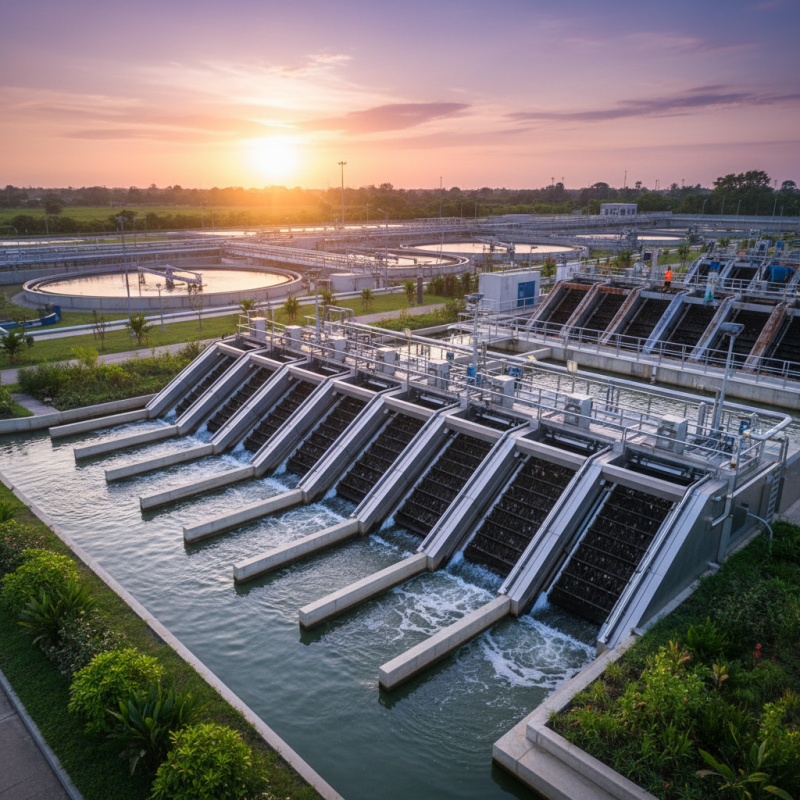
Benefits of Automatic Bar Screens in Wastewater Treatment
Automatic bar screens offer significant advantages in wastewater treatment. Their primary function is to remove large debris from incoming water. This task is crucial for protecting downstream equipment. By efficiently filtering out solids, these screens prevent potential damage and reduce maintenance costs. Regular manual cleaning is labor-intensive. Automatic systems reduce this need, improving operational efficiency.
These screens operate continuously, ensuring a steady flow of treated water. The automated process reduces human error and enhances consistency. Users can monitor performance remotely, increasing oversight. However, relying solely on technology has its challenges. Periodic maintenance and calibration are necessary. Without this, efficiency can decline, leading to potential system failures.
Investing in automatic bar screens reflects a commitment to innovation in wastewater management. They demonstrate a proactive approach to environmental protection. While they streamline processes, operators must also remain vigilant. Balancing technology with human oversight is vital for optimal results. Overall, automatic bar screens are a valuable asset in modern wastewater treatment facilities.
Comparison Between Automatic and Manual Bar Screens
When considering bar screens for wastewater treatment, the difference between automatic and manual systems is significant. Manual bar screens often require frequent human intervention. This can lead to delays and potential safety hazards. Operators may struggle to keep up with the flow of debris. Sometimes, they may miss critical maintenance tasks, resulting in operational inefficiencies.
On the other hand, automatic bar screens offer enhanced efficiency. They work continuously without the need for constant oversight. Sensors detect debris levels, triggering automatic cleaning cycles. This reduces labor costs and minimizes risk to personnel. However, automatic systems can face issues like sensor malfunction or mechanical failures. Such risks must be managed through routine inspections and maintenance schedules.
While automatic screens provide clear advantages in efficiency and safety, they are not infallible. A well-planned system should include backup options and emergency protocols. This reflects the importance of resilience in wastewater management. Decision-makers must weigh these factors carefully when choosing between automatic and manual bar screens. Balancing reliability with efficiency remains a key challenge in wastewater treatment processes.
How Automatic Bar Screens Enhance Operational Efficiency
Automatic bar screens play a crucial role in improving operational efficiency in wastewater treatment. Studies indicate that about 50% of operational costs can stem from wastewater handling. Implementing automatic bar screens can reduce these costs significantly. These screens manage solids effectively, thereby ensuring smoother operations and prolonged equipment life.
Furthermore, automatic systems minimize human labor needs. Reports show that facilities using these screens can reduce labor by approximately 30%. This shift allows staff to focus on more critical tasks. It also lowers the risk of workplace accidents associated with manual screening.
However, there are challenges in integrating new technologies. Some facilities face difficulty in adapting to automatic systems. Not all systems offer the same reliability and efficiency. Continuous monitoring and upgrades are necessary for optimal performance. Lower-than-expected efficiency can occur if maintenance is neglected. This ongoing need for assessment highlights a key concern: the balance between cost savings and system reliability.
Key Features of Automatic Bar Screens for Wastewater Systems
Automatic bar screens are essential in wastewater treatment systems. They provide effective removal of debris, preventing clogs in pumps and pipes. One key feature is their self-cleaning mechanism. This reduces manual intervention and labor costs. Automatic bar screens function continuously, ensuring consistent water quality.
Another significant aspect is their capability to handle varying flow rates. Regardless of the volume of incoming wastewater, these screens can adapt efficiently. This flexibility is crucial for facilities experiencing fluctuating loads. Their robust design withstands harsh environments, contributing to a longer lifespan.
Moreover, automatic bar screens offer enhanced operational efficiency. They minimize downtime, as maintenance needs are lower compared to manual systems. This efficiency reflects in reduced energy consumption. However, not all systems operate flawlessly. Some users report issues during peak flow events. A thorough evaluation before installation is necessary to ensure optimal performance.
Cost-Effectiveness of Implementing Automatic Bar Screens
The use of automatic bar screens in wastewater treatment systems presents significant cost advantages. These systems efficiently remove large debris, reducing operational burdens on downstream equipment. Less manual labor is required for maintenance. This automation leads to lower labor costs. Operators can focus on other critical tasks, improving overall efficiency.
Implementing automatic bar screens can also reduce energy consumption. Traditional systems often work harder to manage large solids, leading to increased wear and tear. Automatic screens optimize the flow of wastewater, utilizing less energy. However, their initial installation costs can be relatively high. This investment may deter some facilities. Still, the long-term savings on maintenance and operational expenses often outweigh initial expenses.
While automatic bar screens show many benefits, there are considerations to reflect on. For instance, the technology requires periodic maintenance and occasional repairs. Facilities need to establish a maintenance plan to ensure reliability. Moreover, not every wastewater facility may benefit equally from this technology. Each operation has unique needs. A thorough assessment is crucial before deciding on installation. This ensures that the chosen solution aligns with the specific requirements of the facility.