What is Airgel Insulation and How Can It Benefit Your Needs?
Airgel Insulation is rapidly gaining recognition in the construction industry. This innovative material combines low weight with remarkable thermal efficiency. Dr. Emily Johnson, a leading expert in thermal insulation, once remarked, "Airgel insulation opens new doors for energy savings and design flexibility."
Many know that traditional insulation methods can be bulky and less effective. Airgel insulation offers a solution by providing superior performance in a thinner profile. This feature is crucial for modern design needs, where space is often limited. Additionally, airgel's unique properties allow it to withstand extreme temperatures, making it suitable for a variety of environments.
While airgel insulation presents many advantages, it is important to consider its cost and installation processes. Some may find initial expenses to be higher than traditional materials. However, long-term energy savings could offset these costs. As the demand for energy-efficient solutions increases, airgel insulation may become more mainstream. Exploring its potential benefits could change how we think about insulation overall.
What is Aerogel and Its Unique Properties?
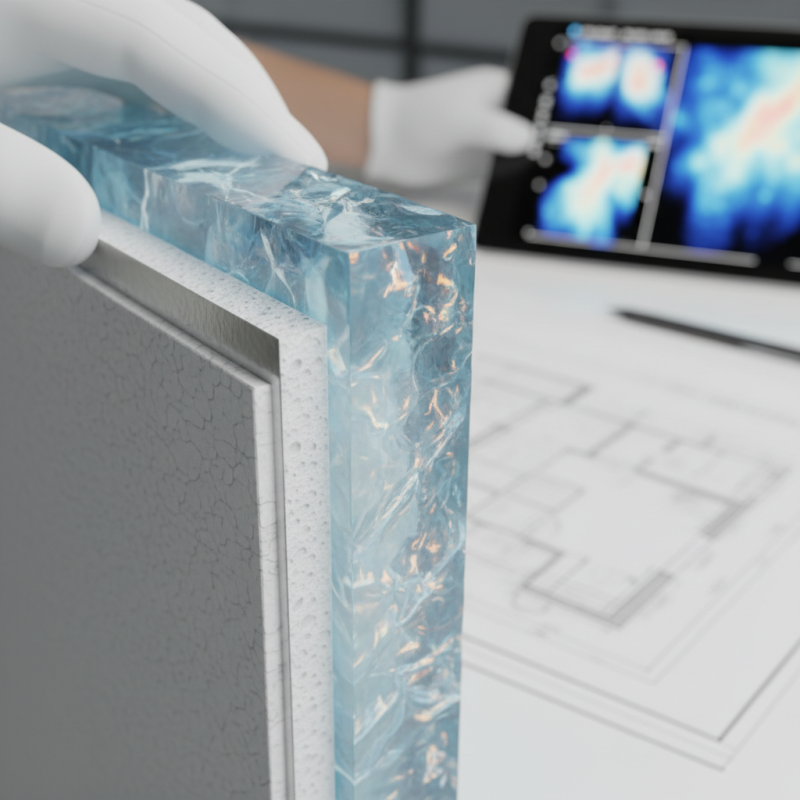
Aerogel is a fascinating material known for its extraordinary properties. Derived from gel, it is 98% air, making it one of the lightest solid materials available. Its structure consists of a network of nanostructures, allowing it to have low thermal conductivity. This means it is highly effective as an insulator. Many researchers explore its uses in various industries, from building insulation to aerospace applications.
One unique property of aerogel is its ability to withstand extreme temperatures. It can handle high heat without degrading. This makes it suitable for protecting sensitive equipment and materials. However, working with aerogel can present challenges. It is fragile and can break easily if not handled properly. Its production process may also be complex, requiring careful control to achieve optimal performance.
In construction, aerogel insulation can significantly reduce energy costs. Buildings insulated with aerogel maintain a stable temperature, reducing the need for heating and cooling systems. Despite these benefits, the higher cost of aerogel compared to traditional insulation materials could hinder its widespread adoption in this sector. Thus, ongoing research aims to make it more accessible and durable for everyday use.
The Science Behind Aerogel Insulation Technology
Aerogel insulation is a cutting-edge material that stands out due to its unique structure. It consists of up to 99.8% air, making it one of the lightest solid materials known. According to the U.S. Department of Energy, aerogel can provide insulation performance up to 50 times greater than traditional insulation materials. This remarkable property is the result of its nanoporous design, which disrupts heat transfer.
One key benefit of aerogel is its versatility in various applications. From residential buildings to aerospace engineering, it effectively reduces energy loss. A recent study from the National Renewable Energy Laboratory highlighted that implementing aerogel insulation in commercial buildings could lead to energy savings of over 30%. This data highlights how aerogel can significantly improve energy efficiency in modern construction.
Tips:
When considering aerogel insulation, reflect on the installation process. It is typically more challenging than traditional materials and requires skilled professionals. Additionally, think about long-term benefits versus initial costs. An investment in aerogel may lead to substantial savings over time. Nonetheless, the material's high price point can be a barrier for some projects. With ongoing research, more affordable solutions may emerge, making aerogel a viable option for broader applications.
Applications of Aerogel Insulation in Various Industries
Aerogel insulation is gaining traction across multiple industries due to its exceptional thermal resistance. This lightweight material can provide up to five times higher insulation performance than traditional materials. In the aerospace sector, aerogel insulation is extensively used in spacecraft and satellites. NASA reports that it contributes significantly to energy efficiency, maintaining optimal temperatures in extreme environments.
The construction industry is also embracing aerogel insulation for its energy-saving potential. Reports from the International Energy Agency highlight that buildings using aerogel can reduce heating costs by up to 30%. This material is ideal for retrofitting older structures as it maximizes thermal performance without adding significant bulk.
However, the cost of aerogel remains high, which can be a barrier for some applications. In the oil and gas sector, engineers use aerogel to insulate pipes and equipment in harsh environments. Studies indicate that aerogel can withstand temperatures up to 1,200 degrees Celsius while minimizing heat loss. Still, practical challenges in production and application arise, and ongoing research seeks to address these limitations.
Understanding aerogel's benefits and drawbacks is essential for industries looking to leverage its unique properties.
Advantages of Using Aerogel Over Traditional Insulation Materials
Aerogel insulation is a remarkable material that offers unique benefits over traditional insulation. Its lightweight and porous structure provides excellent thermal resistance. Unlike conventional insulators, aerogel has a much lower thermal conductivity. This means it can keep your space warmer in winter and cooler in summer with less material.
Another significant advantage is its space-saving qualities. Aerogel is incredibly thin yet highly effective. This allows for insulation applications in areas where traditional materials may not fit. Additionally, aerogel is often more resistant to moisture and mold. While it does come with a higher price tag, its long-term energy savings can justify the investment. In some cases, the fragility of aerogel needs attention. It requires careful handling to maintain its effectiveness.
Aerogel is a game-changer in energy efficiency. It helps reduce heating and cooling costs significantly. However, users must consider the installation complexity. Finding skilled professionals who understand aerogel can be challenging. Still, its growing popularity is paving the way for more accessibility and expertise in this area.
How to Choose the Right Aerogel Insulation for Your Needs
Choosing the right aerogel insulation requires understanding your specific needs and the properties of the material. Aerogel offers remarkable thermal resistance, often achieving R-values exceeding 10 per inch. This means it can outperform traditional insulation materials, offering substantial energy savings. For instance, the U.S. Department of Energy has noted that a well-insulated building can limit heating and cooling costs by up to 40%.
When selecting aerogel insulation, consider factors like density, thickness, and fire resistance. The National Renewable Energy Laboratory emphasizes the importance of evaluating these characteristics. Higher density aerogels may provide better structural support, while lighter options might be ideal for retrofitting. Always examine the specific application, be it walls, roofs, or pipes, as performance can vary significantly based on placement.
It's also essential to evaluate installation methods. Homemade insulation solutions might not deliver the expected results. Professional installation ensures optimal performance and complies with safety regulations. Research shows improper installation can reduce efficiency by up to 30%. Therefore, investing in expertise is crucial for maximizing the benefits of aerogel insulation.