7 Best Chemical Mechanical Seals Suppliers Worldwide
Choosing the right Chemical Mechanical Seals supplier can determine whether a process runs smoothly or stops unexpectedly. In chemical plants, small sealing failures may cause leaks, contamination, product loss, and costly downtime. A reliable supplier must understand more than standard dimensions. It should address pressure, temperature, shaft speed, corrosive fluids, abrasive particles, and installation conditions.
This guide examines seven leading Chemical Mechanical Seals suppliers worldwide. The selection focuses on engineering experience, manufacturing capability, material quality, certification practices, technical support, and delivery reliability. Suppliers with proven work in pumps, mixers, reactors, and rotating equipment receive greater attention. Practical details matter. A seal’s carbon face, silicon carbide mating ring, elastomer choice, and spring design can influence performance significantly. So can local service availability.
No list is flawless. Supplier rankings may change as product ranges, regional support, and customer requirements evolve. Some companies excel in custom engineering, while others offer broader distribution networks or faster standard deliveries. Buyers should still verify current certifications, test procedures, warranty terms, and compatibility data before making a final decision. A catalog is not proof of field performance.
The following overview is designed for engineers, maintenance managers, procurement teams, and industrial buyers. It combines established market reputation with application-focused evaluation. The goal is not to promote one universal solution. It is to help readers compare credible suppliers with clearer expectations and fewer costly assumptions. That distinction matters. Reliable sealing begins with evidence, not promises.
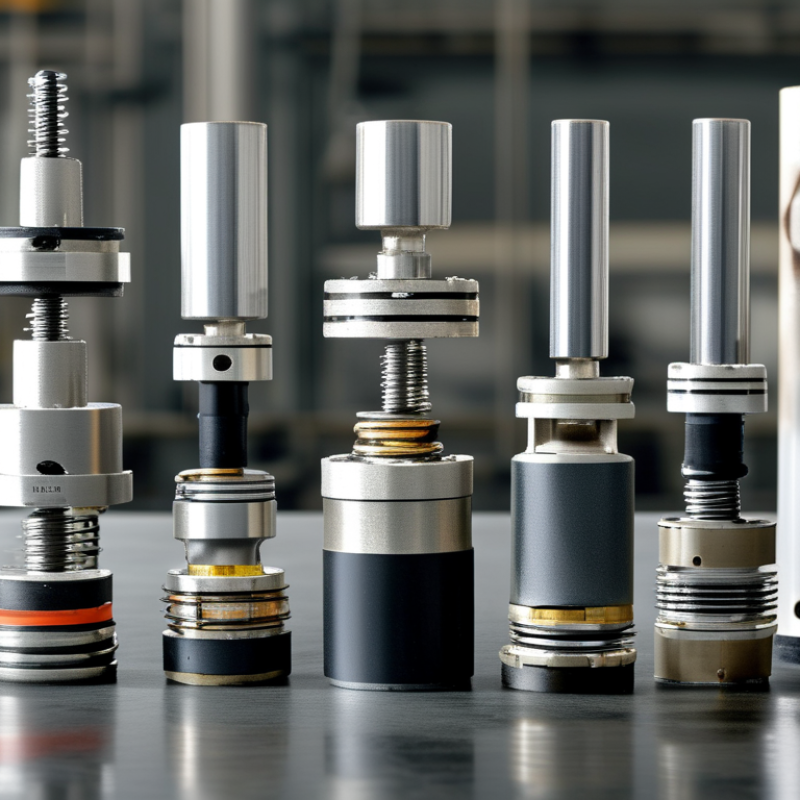
Chemical Mechanical Seals: Definition, Functions, and Key Applications
Chemical Mechanical Seals: Definition, Functions, and Key Applications
Chemical mechanical seals are precision devices that prevent fluid from escaping along a rotating shaft. Two closely lapped faces meet under controlled pressure. One face rotates, while the other remains stationary. A thin fluid film reduces friction and heat. Elastomers, springs, and metal parts support the sealing assembly. Small details matter.
In chemical service, the seal must resist corrosion, pressure changes, vibration, and temperature swings. Its main function is containment, but it also protects bearings and reduces workplace exposure. Engineers assess fluid chemistry, concentration, shaft speed, pressure, and dry-running risk before selecting a design. A seal that works in water may fail quickly in solvent or abrasive slurry. Operating data is often incomplete, and assumptions can be dangerous. Correct installation is equally important; damaged faces or poor alignment may cause leakage within hours. Maintenance records often reveal overlooked crystallization around the sealing faces.
Typical applications include reactors, pumps, mixers, filtration systems, and storage transfer lines. They serve chemical processing, pharmaceuticals, food production, water treatment, and specialty manufacturing. For toxic or volatile fluids, dual seals with monitored barrier systems can provide stronger containment. However, more components do not automatically mean better performance. Selection must match starts, stops, cleaning cycles, and upset conditions. A credible supplier should explain test methods, material compatibility, service limits, and installation practices. Clear documentation helps users question optimistic claims and make safer purchasing decisions.
How to Evaluate Global Chemical Mechanical Seal Suppliers
How to Evaluate Global Chemical Mechanical Seal Suppliers
Selecting among the world’s leading chemical mechanical seal suppliers requires more than comparing prices. Start with documented experience in corrosive, toxic, and temperature-sensitive services. Ask for case records, material compatibility charts, and failure data from similar pumps. A seal may look identical on paper but behave differently under crystallization, dry running, or pressure cycling. No scorecard is perfect.
Use recognized standards as a practical filter. API 682 supports seal selection, testing, and qualification for process pumps, while ISO 21049 addresses mechanical seal design and application. Request leakage-test methods, traceable material certificates, and quality records under ISO 9001 systems. The U.S. Department of Energy reports that pumping systems can consume 25% to 50% of industrial facility electricity, so friction, flush design, and maintenance intervals affect operating cost. Grand View Research has also reported steady growth in the global mechanical seals market, reflecting wider demand for dependable rotating equipment.
Evaluate the supplier’s engineering response, not only its catalogue. Can its team model face materials for your chemical concentration and operating temperature? Can it provide emergency support across time zones? Check production capacity, inspection controls, packaging, and replacement lead times. A low quotation can hide frequent shutdowns. Site trials are valuable, although they are often skipped under schedule pressure. Review total lifecycle cost over three years, including leakage monitoring, spare kits, installation labor, and disposal requirements. A supplier may pass paperwork yet fail at the flange. Test the details.
7 Best Chemical Mechanical Seals Suppliers Worldwide: How to Evaluate Global Suppliers
This chart presents a practical procurement weighting model for evaluating chemical mechanical seal suppliers. Chemical compatibility and sealing performance receive the highest priority because they directly affect leakage control, equipment reliability, and process safety. Certifications, delivery capability, technical support, and total cost should also be assessed before supplier approval. The percentages are evaluation weights, not supplier performance scores.
Seven Leading Chemical Mechanical Seal Suppliers Worldwide
Seven leading chemical mechanical seal suppliers worldwide are often judged by more than production volume. Their real strength appears during difficult service conditions, such as corrosive transfer lines, hot reactors, and abrasive slurry pumps. Experienced suppliers usually provide engineered seal designs, material compatibility guidance, and documented pressure testing. They may also support cartridge seals, split seals, and custom solutions for unusual equipment.
Reliable suppliers typically offer carbon, silicon carbide, ceramic, PTFE, and elastomer options. The correct combination depends on chemical concentration, temperature, shaft speed, and dry-running risk. Buyers should request test records, dimensional drawings, traceability documents, and installation instructions. Local technical support matters too. A fast replacement is useless if the advice is wrong.
Tips: Compare seven suppliers using the same operating data. Check chemical charts carefully. Ask about emergency delivery and refurbishment services. Do not choose by price alone. In maintenance work, a small face defect can create a large leakage problem. No selection method is perfect; field feedback should still influence the final decision.
Comparing Product Range, Materials, Technology, and Certifications
7 Best Chemical Mechanical Seals Suppliers Worldwide
Comparing seven worldwide suppliers requires more than counting catalog pages. A broad product range should cover component, cartridge, split, and mixer seals. It should also support standard and custom dimensions. A wider catalog is not automatically better. Maintenance teams need quick part identification, clear drawings, and reliable replacement guidance.
Materials matter. For corrosive acids, silicon carbide faces and chemically resistant elastomers can improve service life. Carbon faces may suit cleaner fluids and controlled operating conditions. PTFE, FKM, EPDM, and graphite each respond differently to temperature and chemical exposure. Small details matter. A seal fitted to a warm pump may fail after only a few weeks if the elastomer is poorly selected.
Technology separates capable suppliers from ordinary distributors. Look for balanced designs, pressure-optimized faces, flush plans, and documented testing. Laser-textured faces may reduce friction, but performance still depends on installation and fluid conditions. Certifications also need careful review. ISO 9001 supports quality management, while API 682 may apply to selected process applications. ATEX documentation can matter in classified environments. Do not treat every certificate as proof of product performance. Ask whether it covers the factory, design, or specific seal. Supplier comparisons can be imperfect. Real operating data, inspection records, and technical response times often reveal more than polished brochures.
Selecting the Right Supplier for Industry-Specific Sealing Needs
Choosing a chemical mechanical seal supplier requires more than comparing catalog prices. The correct supplier must understand your process fluid, operating temperature, pressure, shaft speed, and equipment design. A seal for acidic wastewater may fail quickly in a solvent service. Material compatibility matters.
Experienced suppliers ask detailed questions before recommending a design. They should evaluate face materials, elastomer selection, spring arrangement, and corrosion resistance. Request test data, dimensional drawings, and traceability records. Clear documentation shows technical discipline. It also reduces installation errors.
Look for suppliers with proven experience in your industry, such as chemical processing, pharmaceuticals, food production, or mining. Their engineers should understand hygiene requirements, abrasive particles, thermal cycling, and leakage control. Ask how they handle urgent replacements across different regions. Local technical support can prevent extended downtime.
Do not rely on appearance alone. A polished website proves little. During one equipment review, an apparently suitable seal lacked reliable performance data for high-solid fluids. That gap should have been identified earlier. Suppliers should explain limitations honestly, even when the answer delays a sale. Check manufacturing controls, inspection methods, warranty terms, and after-sales response times. Pilot testing is wise when fluid chemistry changes seasonally or production conditions remain uncertain. Small details matter.