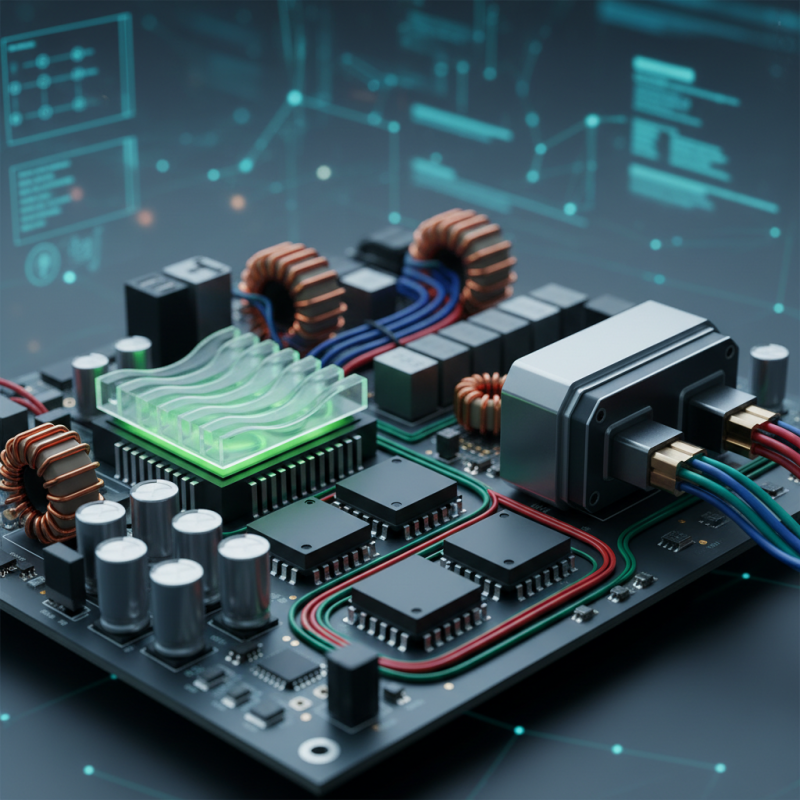
2026 Top Switching Power Supply Trends and Tips for Buyers?
As we approach 2026, understanding the trends in Switching Power Supply technology becomes increasingly essential. This sector is evolving rapidly, impacting various industries. New innovations promise improved efficiency and reliability. However, not all advancements are straightforward.
Many buyers face challenges in choosing the right Switching Power Supply. Features like voltage stability and thermal performance matter significantly. Yet, what works for one application may not suit another. There's often confusion about compatibility and specifications.
Looking ahead, consumers must stay informed and evaluate their needs carefully. Trends indicate a shift toward more sustainable options, but these products can sometimes lack reliability. Buyers should think critically about their choices and prioritize quality over gimmicks.
Emerging Technologies in Switching Power Supplies for 2026
In 2026, switching power supplies are set to embrace remarkable advancements. Emerging technologies focus on enhancing energy efficiency. New semiconductor materials will play a crucial role in this evolution. These materials promise higher performance and lower heat generation. As a result, devices will become more reliable and smaller in size.
One notable trend is the integration of intelligent systems. Smart power supplies can adjust output in real-time. This adaptability improves performance significantly. Also, digital controls are gaining traction, offering precise regulation. These systems facilitate better communication between devices, enabling more cohesive operation in complex applications.
However, the rapid pace of innovation presents challenges. Buyers must stay informed and reassess their needs. Understanding the balance between cost and performance can be tricky. Not all emerging technologies are suitable for every application. It’s essential to evaluate specifics instead of following trends blindly. Thoughtful consideration will ensure optimal investment in future power solutions.
Key Trends Shaping the Future of Power Supply Design
Power supply design is evolving rapidly. Numerous trends shape the future of this field. Energy efficiency remains a priority for manufacturers and consumers. As regulations tighten, suppliers aim to produce greener, more efficient products. Advanced materials and components help achieve these goals.
Digital power management features are gaining traction. These features enhance performance and reliability. Designers can fine-tune systems to optimize usage. This flexibility leads to lower energy consumption. Users can expect smarter devices in the years ahead.
When buying a power supply, check the efficiency rating. Look for products certified by energy programs. Additionally, consider the form factor that best fits your needs. Understand your voltage and current requirements thoroughly. Overlooking these details could lead to issues later. Think about future expansions, too. Being prepared can save time and money in the long run.
2026 Top Switching Power Supply Trends and Tips for Buyers
| Trend | Description | Implications for Buyers | Recommendations |
| High Efficiency | Focus on energy-efficient designs to reduce energy waste. | Choose power supplies with high energy efficiency ratings. | Look for products with energy-saving certifications. |
| Compact Sizes | Demand for smaller suppliers that fit into tighter spaces. | Consider form factor and size for your application. | Explore modular designs allowing for flexible configurations. |
| Smart Technology Integration | Incorporating IoT capabilities for monitoring and control. | Evaluate compatibility with smart systems and future upgrades. | Invest in models with built-in communication protocols. |
| Wide Input Voltage Range | Support for varied voltage requirements globally. | Select adaptable supplies for diverse applications. | Check the input voltage range specified. |
| Thermal Management | Advanced cooling techniques to enhance reliability. | Ensure efficient thermal performance in your systems. | Consider models with improved airflow designs. |
Factors to Consider When Choosing a Switching Power Supply
When selecting a switching power supply, several factors come into play. The output voltage and current ratings are critical. Ensure these match your device’s requirements. A mismatch can lead to device failure or inefficiency. Pay attention to the power efficiency rating. Higher efficiency reduces energy waste and heat generation, which prolongs the lifespan of your equipment.
The size and weight of the power supply matter too. Compact designs fit well in tight spaces, while larger units may accommodate more features. Also, consider the ambient temperature. Some supplies can operate in extreme conditions better than others. It’s important to evaluate the cooling system. Poorly designed cooling can lead to overheating issues over time.
Finally, assess the safety features. Overvoltage, short-circuit, and overcurrent protections can prevent damage. However, not all models have comprehensive safety measures. Reflect on your specific needs versus what’s available on the market. Doing thorough research can save money and hassles in the long run.
Energy Efficiency Standards Impacting Power Supply Purchases
When purchasing switching power supplies, energy efficiency standards play a critical role. Many buyers often overlook these standards. However, they can significantly impact long-term operational costs. Choosing a power supply that meets or exceeds these standards can lead to savings on electricity bills over time. Consider, for instance, the difference in energy consumption between average and high-efficiency models.
Regulations surrounding energy efficiency are becoming stricter. They aim to reduce the environmental impact of power supplies. Newer models typically have better designs that minimize waste, making them more appealing. Yet, not all buyers are aware of these advancements. Some still opt for outdated models. This choice could result in higher energy use and costs. It may seem tempting to save money upfront, but the long-term implications could be costly.
Also, think about the certifications that products carry. Labels indicate compliance with these energy efficiency standards. Unsurprisingly, many buyers find these certifications confusing. While some models proudly display energy ratings, others do not. This inconsistency can lead to poor purchasing decisions. Therefore, it’s essential to conduct thorough research before making a choice. An informed decision could mean benefiting from better efficiency and lower costs in the future.
Tips for Buyers: Navigating the Market for Optimal Power Solutions
When navigating the power supply market, buyers face many choices. Understanding the ideal specifications is crucial. Key factors include wattage, efficiency, and form factor. Assess the needs of your device carefully. Choosing the right voltage prevents overload and damage. A mismatch can lead to malfunction.
Pay attention to the efficiency ratings. Higher efficiency reduces energy waste, saving money in the long run. However, not all power supplies are created equal. Some may promise high efficiency but fall short in real-world use. Always verify claims with independent reviews or detailed specifications.
Lastly, consider the price-to-performance ratio. A more expensive option might offer better longevity and reliability. On the other hand, budget choices could perform just as well for basic applications. It’s wise to weigh these aspects. Decisions should be based on facts, not just marketing hype. Look for detailed user feedback, as this can reveal hidden flaws.
2026 Power Supply Market Trends